



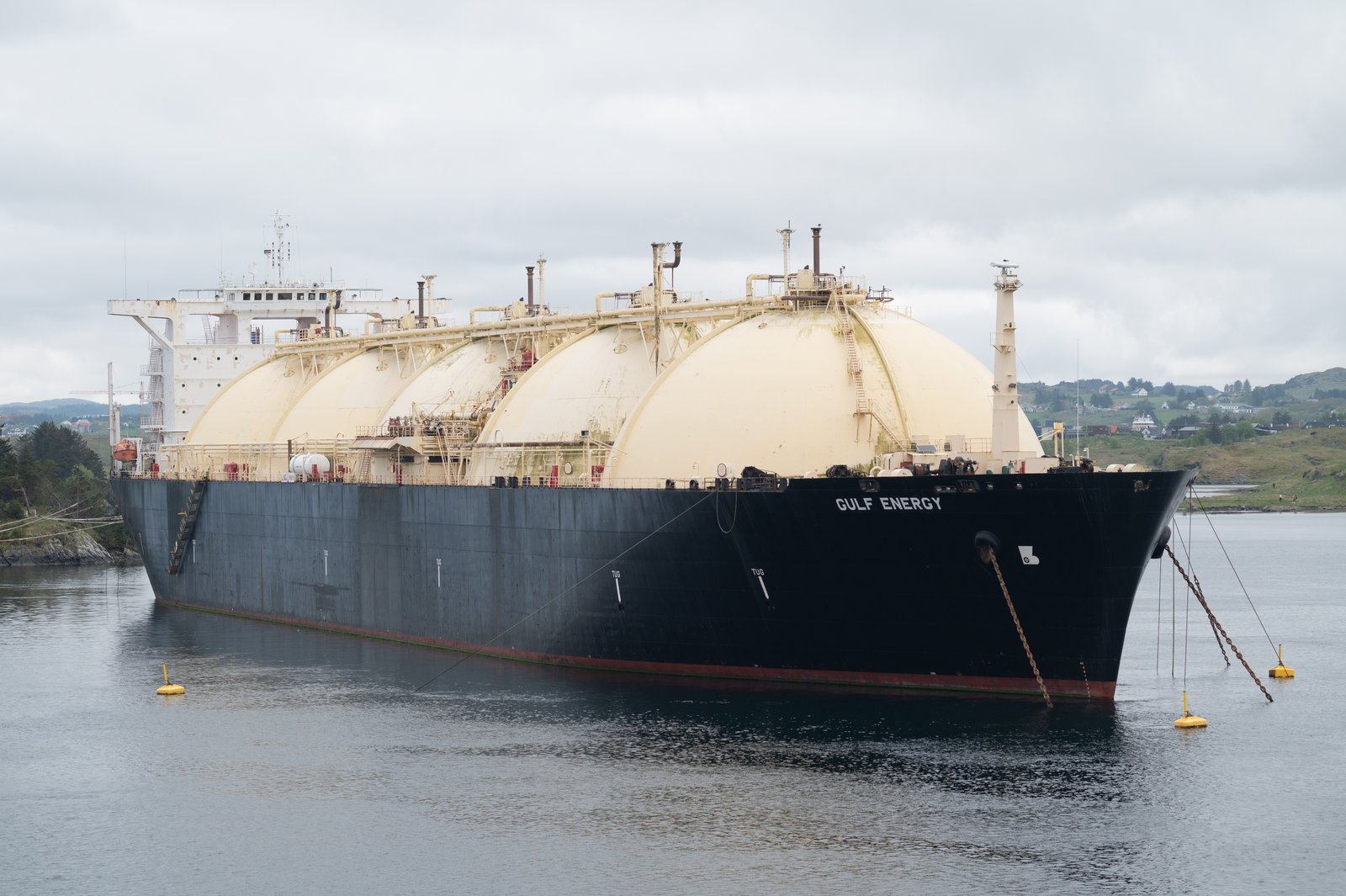
Beneath the morning haze, a fleet of tankers lies anchored, hulls heavy with $6 billion worth of liquefied natural gas, remarkable cargoes that carry the promise of an energy future. The arrival of these vessels signals a departure from traditional energy sources, marking a quiet revolution in the way power is generated and growth is fueled.
LNG Import Growth: Key Drivers and Projections
The surge in LNG imports in Vietnam is a reflection of the country's strategic pivot towards cleaner energy sources, as part of its broader energy transition. This shift is underscored by the increasing demand for natural gas as a more environmentally friendly alternative to coal, particularly in the power generation sector. According to the Ministry of Industry and Trade, the consumption of LNG is projected to reach 20 million tons by 2026, highlighting the significant role it is expected to play in Vietnam's energy mix.
The economic growth of Vietnam has been a key driver behind the increasing demand for LNG. As the country's GDP continues to expand, so does its energy consumption, with natural gas being a preferred choice for meeting this demand. The energy sector's growth, as noted by the General Statistics Office, has been robust, with a 7.4% increase in electricity output in 2022 alone, indicating a substantial appetite for energy resources to support this expansion.
Environmental considerations have also been a significant factor in the push for LNG imports. The Vietnamese government has been actively promoting the use of cleaner energy sources to meet its international commitments, such as the Paris Agreement. This has led to a 30% increase in the share of renewables in the energy mix by 2030, as per the National Energy Development Strategy. LNG, with its lower carbon emissions compared to coal, fits well within this strategy, facilitating a transition that is both economically viable and environmentally responsible.
Lastly, geopolitical factors have influenced Vietnam's LNG import growth. The diversification of energy sources has become a strategic priority for the country to reduce reliance on any single energy supplier. This move towards diversification is part of a broader effort to enhance energy security, which is essential for the country's continued economic development and stability. The increasing LNG imports are thus not only a response to domestic demand but also a strategic move to ensure a more secure and resilient energy infrastructure.
LNG Infrastructure Development: Key Projects and Timelines
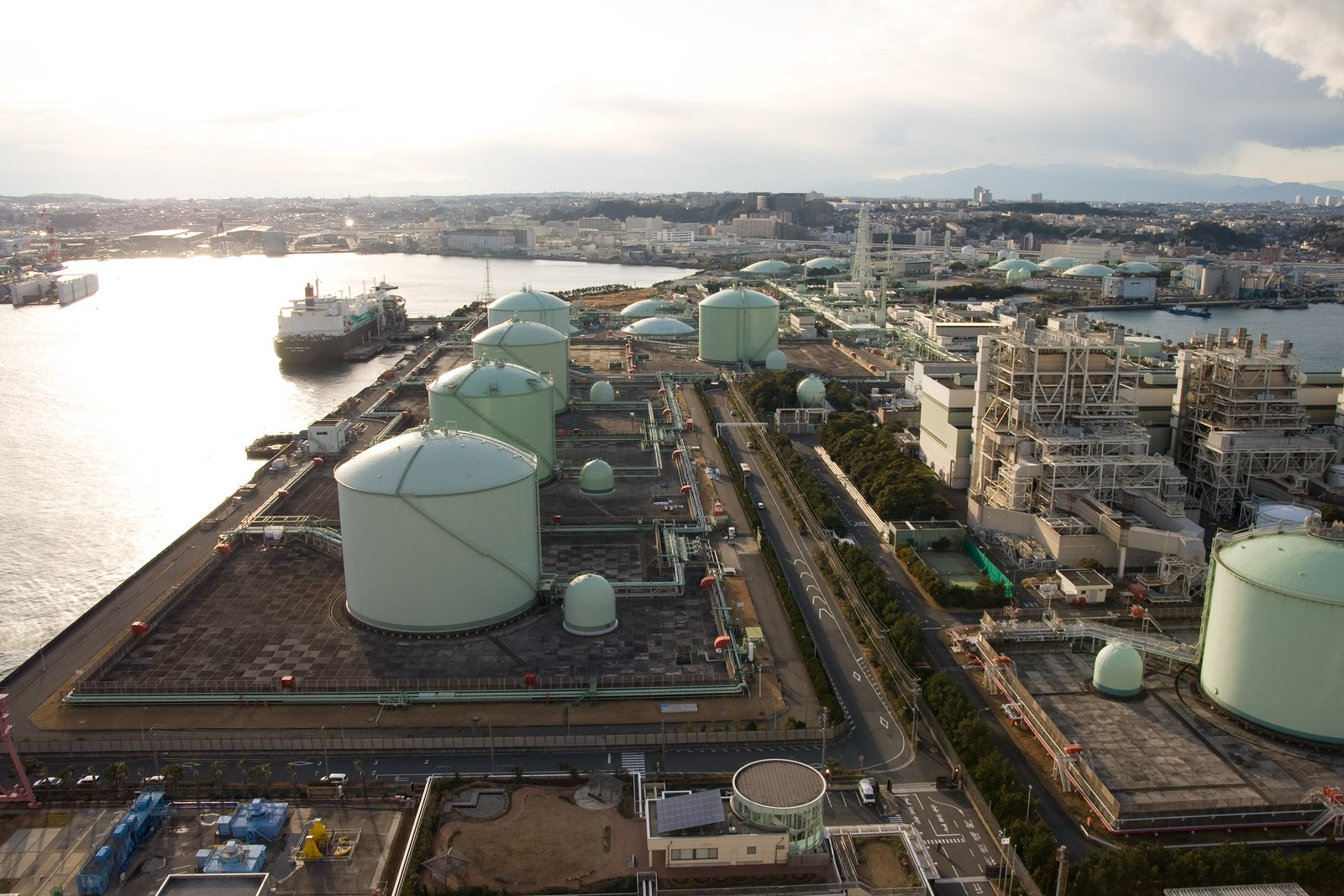
The development of LNG infrastructure in Vietnam has been a strategic priority, with several key projects underway to facilitate the import and distribution of LNG. One of the most notable projects is the LNG receiving terminal in the northern port city of Hai Phong, which is expected to be operational by 2023. This terminal, once completed, will have the capacity to handle up to 10 million tons of LNG annually, significantly bolstering Vietnam's energy security and diversifying its energy mix, per VASEP. The timely completion of this terminal is crucial for Vietnam's energy transition, as it aligns with the country's push towards cleaner energy sources and reduced reliance on coal.
Another significant project is the Son My LNG power plant in Binh Thuan province, which is anticipated to commence operations by 2024. This power plant is designed with a capacity of 3,000 megawatts, and its construction is in line with the Vietnamese government's efforts to increase the share of gas in the energy mix to 15% by 2030, as noted by the Ministry of Industry and Trade. The plant's operation will not only contribute to the country's energy needs but also support the economic development of the region by providing a stable power supply.
In the southern part of Vietnam, the Ca Mau LNG power plant is also under development, with an expected completion date of 2025. This plant is projected to have a capacity of 3,600 megawatts, further expanding Vietnam's LNG-based power generation capabilities. The development of this plant underscores the country's commitment to enhancing its energy infrastructure and ensuring a steady supply of electricity to support its growing economy.
Lastly, the Binh Son Refinery and Petrochemical expansion is a crucial project that will increase the country's capacity to process LNG. The expansion, set to be completed by 2026, will boost the refinery's capacity to 15 million tons per year, thereby enhancing Vietnam's ability to meet its domestic fuel demands and reduce its dependence on imported petroleum products, according to the Ministry of Finance. This expansion is a testament to Vietnam's strategic approach to energy self-sufficiency and its role in the regional energy market.
Diversifying the Energy Mix: LNG's Role in Vietnam's Energy Transition
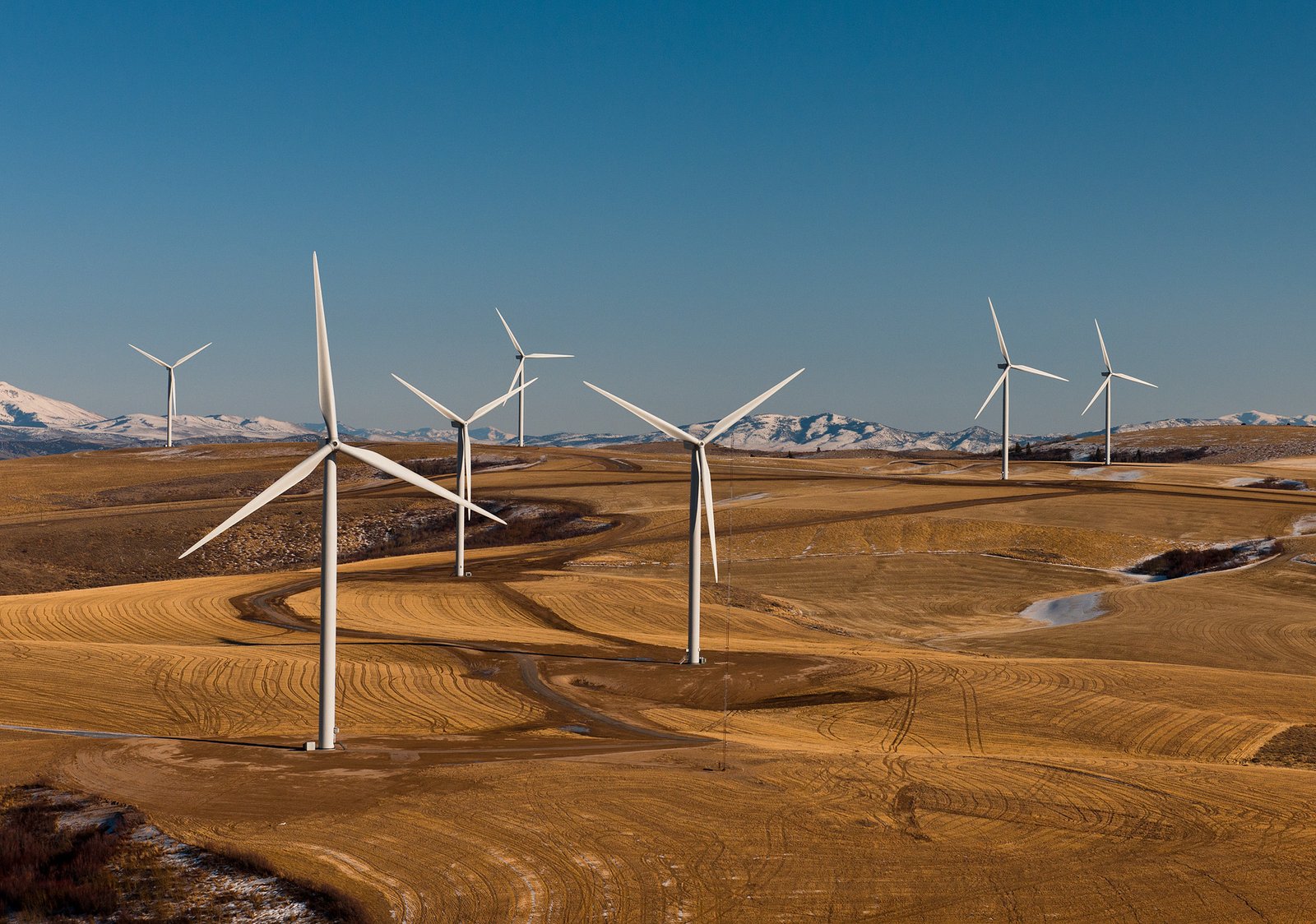
Vietnam's energy transition is characterized by a strategic shift towards cleaner and more sustainable energy sources, with Liquefied Natural Gas (LNG) playing a pivotal role. As the country's economy continues to grow at a rapid pace, the demand for energy has surged, necessitating a diversification of the energy mix to meet these needs. The Ministry of Industry and Trade has indicated that by 2026, the share of renewables in the energy mix is expected to increase, with LNG being a key component in this transition. The use of LNG is seen as a bridge fuel, providing a cleaner alternative to coal and oil while the country develops its renewable energy infrastructure.
The environmental benefits of LNG are significant, particularly when compared to traditional fossil fuels. According to the International Energy Agency, LNG emits up to 50% less carbon dioxide when combusted for power generation compared to coal. This reduction in emissions aligns with Vietnam's commitment to reduce greenhouse gas emissions as outlined in the Paris Agreement. The Ministry of Natural Resources and Environment has emphasized the importance of sustainable development, and the adoption of LNG is a step towards achieving this goal.
Economically, the import of LNG is also expected to have a positive impact on Vietnam's trade balance. The Ministry of Finance noted that the import of LNG could reduce the country's reliance on oil, thereby decreasing the trade deficit associated with oil imports. This shift could potentially lead to a more balanced trade scenario, enhancing Vietnam's economic stability and resilience against global energy price fluctuations.
Furthermore, the integration of LNG into Vietnam's energy mix is anticipated to bolster the country's energy security. Diversification of energy sources is a strategic move to mitigate risks associated with over-reliance on a single energy source. The Ministry of Industry and Trade has recognized the importance of energy security in ensuring the country's socio-economic development and has taken steps to incorporate LNG into the national energy strategy.
Lastly, the growth in LNG imports is set to create new opportunities for the domestic industry. The development of LNG infrastructure, such as regasification terminals and storage facilities, will not only support the energy sector but also stimulate economic activity and job creation in related industries. This aligns with the government's broader economic development objectives and underscores the multifaceted benefits of LNG in Vietnam's energy transition.
Environmental Impact and Sustainability Considerations
The environmental impact of Vietnam's LNG import surge is a critical consideration in the context of the country's energy transition. As LNG is a cleaner alternative to coal and oil, its increased use is expected to reduce greenhouse gas emissions, particularly in the power sector. According to a recent report by the Ministry of Industry and Trade, the shift to LNG in power generation could lead to a 20% reduction in carbon dioxide emissions compared to coal-fired plants. This reduction is significant as it aligns with Vietnam's commitment to reduce greenhouse gas emissions by 9% unconditionally and up to 25% with international support by 2030, as outlined in the Nationally Determined Contributions (NDC) under the Paris Agreement.
The sustainability of Vietnam's LNG import surge is also contingent upon the country's ability to manage the associated environmental risks. The Ministry of Natural Resources and Environment has emphasized the need for stringent environmental regulations to mitigate the potential impacts of LNG infrastructure on local ecosystems and communities. This includes the implementation of measures to prevent oil spills and other environmental disasters, which could have severe consequences for marine life and coastal areas. The enforcement of these regulations is crucial to maintaining public trust and ensuring the long-term viability of LNG as a sustainable energy source.
The economic implications of the environmental considerations cannot be overlooked. The cost of compliance with environmental standards is expected to increase for companies involved in LNG import and distribution. However, this is counterbalanced by the potential for cost savings in the long term due to reduced emissions and the avoidance of environmental penalties. The Ministry of Finance noted that while initial investments in cleaner technologies may be higher, the long-term benefits include reduced operational costs and improved public health, which can lead to a more sustainable economic growth trajectory.
Lastly, the sustainability of Vietnam's LNG import surge is also tied to the global context of energy transition. As the world moves towards cleaner energy sources, Vietnam's reliance on LNG positions it well to meet future energy demands while reducing its carbon footprint. This strategic alignment with global trends not only supports Vietnam's domestic energy security but also enhances its reputation as a responsible global citizen committed to combating climate change. The integration of LNG into Vietnam's energy mix is thus a step towards achieving a more sustainable and resilient energy future.
Investment Opportunities in Vietnam's LNG Sector
The projected increase in LNG imports by 20% over the next five years, as indicated by the Ministry of Industry and Trade, presents a substantial opportunity for investors in Vietnam's energy sector. This growth is expected to be fueled by the expansion of the power sector, which is increasingly reliant on LNG to meet the nation's energy demands. The surge in demand implies a significant potential for returns in the construction and operation of LNG terminals, as well as in the supply chain that supports the import and distribution of LNG.
The Vietnamese government's commitment to diversifying its energy mix, as highlighted in the Power Development Plan VII, is another key factor influencing investment opportunities in the LNG sector. This strategic move towards cleaner energy sources is likely to encourage foreign and domestic investment in LNG infrastructure, including regasification plants and storage facilities. The plan's emphasis on reducing reliance on coal and increasing the share of natural gas in the energy mix to 11.5% by 2030 further underscores the potential for growth in this area.
The establishment of a competitive market for LNG, as per the Law on Investment, is set to create an environment conducive to private investment. This legal framework is designed to attract both domestic and foreign capital by ensuring a level playing field and transparent regulations. The law's provisions are expected to bolster investor confidence, leading to increased capital inflow into the LNG sector, particularly in projects aimed at enhancing energy security and efficiency.
Lastly, the potential for Vietnam to become a regional LNG trading hub, as suggested by the Vietnam National Administration of Seas and Islands, opens up additional avenues for investment. The strategic geographical location of Vietnam, coupled with its growing demand for LNG, positions the country to play a pivotal role in the regional energy market. This development could attract investments in logistics, storage, and trading platforms, further diversifying the investment landscape in Vietnam's LNG sector.
Challenges and Risks: Regulatory and Market Factors
The surge in LNG imports to fuel Vietnam's energy transition and growth prospects by 2026 is not without its challenges. One significant hurdle is the regulatory framework governing the energy sector. The decree tightens environmental standards, raising compliance costs for manufacturers, as per the Ministry of Finance. This could impact the profitability of LNG-related projects, as regulatory requirements invest in cleaner technologies and processes to meet these standards. The implication is that while the environmental benefits are clear, there is an economic trade-off that must be managed carefully to maintain the viability of LNG imports.
Another risk factor is the market volatility of LNG prices, which can fluctuate significantly due to global supply and demand dynamics. According to Bloomberg, price volatility can lead to uncertainty in the cost of energy, affecting the planning and budgeting of energy projects. This unpredictability can pose a risk to the stability of energy supply and the economic feasibility of LNG import-dependent projects in Vietnam.
The infrastructure required to support increased LNG imports also presents a challenge. The development and maintenance of LNG terminals and associated transportation networks are capital-intensive and require significant investment. The Ministry of Industry and Trade has noted the need for substantial investment in LNG infrastructure to meet the projected import demands. This implies that without adequate investment, the growth of LNG imports could be hindered, potentially impacting Vietnam's energy security and transition plans.
Lastly, geopolitical factors can influence the stability and cost of LNG supplies. The geopolitical landscape, particularly in regions where Vietnam sources its LNG, can affect both the availability and pricing of LNG. This external influence can introduce additional layers of complexity and risk into Vietnam's LNG import strategy. The implication is that Vietnam must diversify its LNG supply sources and engage in strategic diplomacy to mitigate these risks and ensure a stable energy supply.
The surge in Vietnam's LNG imports, as outlined, paints a picture of a nation strategically positioning itself within the global energy transition. The projected increase to 10-15 million tons by 2026, as indicated by the Ministry of Industry and Trade, not only underscores Vietnam's commitment to diversifying its energy mix but also signals a significant growth opportunity within the LNG sector. Investors may find it prudent to consider the infrastructure development needs and geopolitical dynamics that could shape the stability and profitability of LNG investments in Vietnam.
The capital-intensive nature of LNG infrastructure and the geopolitical risks involved suggest that investment decisions should be underpinned by a thorough analysis of Vietnam's diplomatic efforts and investment plans. The need for substantial investment in LNG infrastructure implies that there is a clear pathway for capital deployment, potentially offering lucrative opportunities for those able to navigate the complexities of this burgeoning market. Meanwhile, the diversification of LNG supply sources could present strategic entry points for investors looking to mitigate risks associated with geopolitical fluctuations.