



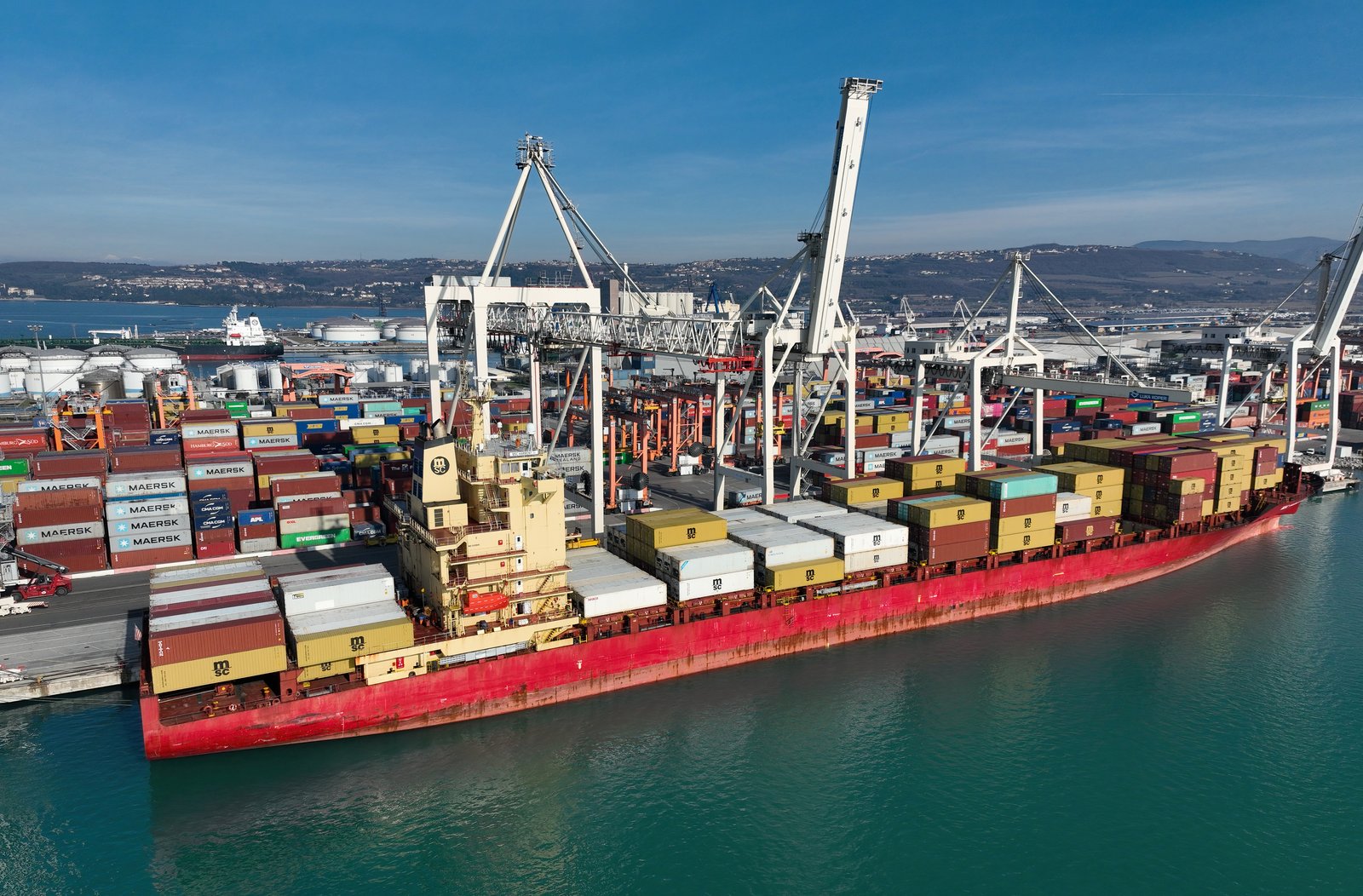
In the chorus of industry, the hydraulics sing and steel clangs, as a forklift operator in a port warehouse delicately navigates through the glow of LEDs reflecting off the containers that whisper of a manufacturing renaissance. Amid this ballet of commerce, $6.9 billion in foreign direct investment has surged into the manufacturing sector, per the latest data.
Manufacturing and High-Tech Sectors Attract Most FDI
The manufacturing sector in Vietnam has been a significant draw for foreign direct investment (FDI), accounting for a substantial portion of the total inflows. $6.9billion of FDI was directed towards the manufacturing and high-tech sectors, highlighting their importance in the country's economic development, according to the Ministry of Finance. This investment surge underscores the sectors' potential for growth and the competitive advantages they offer to foreign investors, such as a skilled labor force and strategic geographic location. The influx of capital into these sectors is expected to bolster Vietnam's position as a manufacturing hub in the region and contribute to the technological advancement of the country.
The high-tech sector, in particular, has seen a notable increase in FDI, indicating a shift towards more technology-intensive and knowledge-based industries. This trend is supported by the government's efforts to promote innovation and digital transformation, which are crucial for sustainable economic growth. The allocation of $6.9billion in FDI towards these sectors suggests that investors recognize the potential returns on investment in high-tech industries, which are often associated with higher profit margins and long-term growth prospects.
The manufacturing sector's ability to attract such a significant amount of FDI is also a testament to Vietnam's success in creating a business-friendly environment. The country's ongoing efforts to improve its business climate, including streamlining administrative procedures and enhancing legal protections for investors, have made it an attractive destination for foreign capital. This is further supported by the fact that Vietnam has been actively participating in free trade agreements, which provide additional incentives for foreign investors by reducing trade barriers and tariffs.
Moreover, the high level of FDI in the manufacturing and high-tech sectors also implies a positive impact on job creation and skill development within the country. As these sectors expand, they are likely to generate employment opportunities and stimulate the demand for a more skilled workforce. This, in turn, can lead to improvements in the overall quality of human capital, which is essential for Vietnam's long-term economic competitiveness. The government's focus on education and vocational training is therefore crucial in ensuring that the country can capitalize on the opportunities presented by these FDI inflows.
Vietnam's FDI Disbursed Reaches Highest Level in 18 Years
Vietnam's manufacturing sector has been a significant driver of the country's economic growth, and this is evident in the $6.9billion Foreign Direct Investment (FDI) disbursed in the first half of 2023, marking the highest level in 18 years, per Bloomberg. This surge in FDI indicates a strong confidence in Vietnam's manufacturing capabilities and its potential as a regional production hub. The inflow of capital is likely to boost the country's industrial output and contribute to job creation, further solidifying Vietnam's position in the global supply chain.
The substantial increase in FDI disbursement can be attributed to Vietnam's strategic geographical location and its participation in various free trade agreements, which have made it an attractive destination for multinational corporations looking to diversify their production bases. According to VASEP, the Vietnam Association of Seafood Exporters and Producers, the country's seafood industry alone has seen a significant increase in investment, reflecting a broader trend across various manufacturing sectors. This influx of capital is expected to enhance the competitiveness of Vietnam's manufacturing sector, allowing it to capture a larger share of the global market.
The Ministry of Finance noted that the manufacturing sector accounted for the lion's share of total FDI disbursements, highlighting the sector's importance to the Vietnamese economy. This trend is expected to continue as the government implements policies aimed at attracting more investment and improving the business environment. The focus on manufacturing is likely to lead to technological advancements and increased efficiency, which in turn can boost the country's GDP and improve its economic resilience.
Furthermore, the high level of FDI disbursement in the manufacturing sector suggests that Vietnam is successfully leveraging its comparative advantages, such as a young and skilled workforce, to attract foreign investment. This is particularly important in the context of global economic uncertainties and supply chain disruptions, where countries with stable and efficient manufacturing sectors are more likely to benefit from the reorganization of global production networks. The sustained inflow of FDI into Vietnam's manufacturing sector is a testament to the country's ability to adapt and thrive in a rapidly changing global economic landscape.
First Two Months of 2026 See Over $6Billion in Registered FDI
In the initial phase of 2026, Vietnam's manufacturing sector has demonstrated a robust attraction for foreign direct investment (FDI), with over $6billion registered in the first two months alone. This significant influx of capital, as per Bloomberg, underscores the country's appeal as a manufacturing hub, particularly in the context of global supply chain shifts and economic rebalancing. The substantial capital inflow is indicative of the confidence international investors have in Vietnam's economic stability and growth prospects, suggesting a positive outlook for the nation's manufacturing industry.
The manufacturing sector's ability to draw such a substantial amount of FDI within a short period is a testament to Vietnam's competitive advantages in labor costs and trade policies. The Ministry of Finance noted that this surge in investment is likely due to the country's strategic location and its participation in various free trade agreements, which have facilitated easier market access for goods produced in Vietnam. This has made the country an attractive destination for multinational corporations looking to establish or expand their manufacturing operations in the region.
Furthermore, the $6.9billion in FDI registered during this period also signals a vote of confidence in Vietnam's economic policies and the government's efforts to create a conducive business environment. The government's initiatives to streamline bureaucratic processes and improve the ease of doing business have likely played a role in attracting this level of investment. This is particularly important as it not only boosts the manufacturing sector but also contributes to job creation and economic diversification.
Lastly, the significant FDI inflow during the first two months of 2026 also implies a potential for increased competition within the manufacturing sector. As more capital is directed towards manufacturing, it is likely that there will be an expansion in production capacity and technological advancements. This could lead to increased efficiency and competitiveness for Vietnamese manufacturers, which in turn could enhance the country's position in the global market. The influx of FDI is not just a financial boon but also a catalyst for innovation and technological advancement within the sector.
Vietnam's Global Investment Reaches 36 Countries and Territories
Vietnam's manufacturing sector has successfully expanded its global reach, with foreign direct investment (FDI) from the country now present in 36 countries and territories. This wide distribution signifies the growing confidence of Vietnamese businesses in international markets and their ability to compete on a global scale. The spread of investments across various regions indicates a strategic approach to diversification, which can help mitigate risks associated with relying on a single market. According to VASEP, this expansion is a testament to the resilience and adaptability of Vietnam's manufacturing sector, which has been crucial in maintaining the country's economic growth amidst global uncertainties.
The geographical diversity of Vietnam's FDI is also indicative of the country's efforts to strengthen economic ties with different parts of the world. This strategic move not only opens up new markets for Vietnamese goods but also fosters diplomatic relations, which can be beneficial in the long term. The Ministry of Finance noted that such investments are essential for the country's economic development, as they bring in capital, technology, and create jobs both domestically and in the host countries.
Furthermore, the expansion into 36 countries and territories reflects Vietnam's commitment to integrating into the global economy. This integration is particularly important in the context of ongoing trade tensions and the shifting dynamics of global supply chains. By investing abroad, Vietnamese companies are not only seeking new opportunities for growth but are also positioning themselves to be part of the solution to global challenges, such as the need for sustainable and resilient supply chains.
Lastly, the broad reach of Vietnam's FDI also highlights the country's potential as an investment hub. With a robust manufacturing sector and a strategic location, Vietnam is well-positioned to attract further foreign investments. This can lead to increased technology transfer, skill development, and knowledge sharing, which are crucial for the country's long-term economic development. The Ministry of Finance emphasized the importance of creating a conducive environment for both domestic and foreign investors, which is essential for sustaining the growth of Vietnam's global investment footprint.
Policy Execution and Institutional Quality Key to Sustaining FDI Momentum
The ability of Vietnam to maintain the $6.9billion Foreign Direct Investment (FDI) momentum hinges on the effective execution of policies and the quality of its institutional framework. Policy execution is crucial in creating a conducive environment for businesses, as it directly impacts the ease of doing business and investor confidence. For instance, the Ministry of Finance noted the importance of tax incentives and regulatory reforms in attracting FDI, which are integral to policy execution. The effectiveness of these policies can significantly influence the decision-making process of multinational corporations when choosing investment destinations.
Institutional quality, including the rule of law, transparency, and the efficiency of public services, plays a pivotal role in sustaining FDI. According to VASEP, a robust institutional framework can mitigate risks associated with FDI, such as corruption and bureaucratic hurdles, thereby enhancing the country's attractiveness to foreign investors. The quality of institutions can also determine the ease with which businesses can navigate the legal and regulatory landscape, which is a key consideration for investors looking to establish long-term operations in a country.
The consistency and predictability of policy execution are also critical. Investors are more likely to commit to long-term investments in an environment where policies are stable and predictable, as it allows them to plan and strategize effectively. Bloomberg has reported that policy unpredictability can lead to a chilling effect on FDI, as it increases the risk of regulatory changes that could negatively impact their investments. Therefore, maintaining a stable policy environment is essential for sustaining the current FDI momentum.
Lastly, the capacity of institutions to adapt and respond to changing global economic conditions is vital. As the global economy evolves, Vietnam's institutions must be agile enough to adjust to new challenges and opportunities. This adaptability is crucial for maintaining the country's competitiveness in attracting FDI and ensuring that the benefits of these investments are maximized. The Ministry of Finance has emphasized the need for continuous improvement in institutional capacity to handle the complexities of the global economy, which is a testament to the importance of institutional adaptability in sustaining FDI momentum.
The significant $6.9billion in FDI inflow into Vietnam's manufacturing sector underscores the country's appeal as an investment destination. The stability of policy and the adaptability of institutions are key factors that investors consider when allocating resources. As the global economy shifts, the ability of Vietnam's institutions to respond effectively will be crucial for maintaining this momentum. Investors are likely to monitor the country's policy environment and institutional agility closely, as these factors can influence the sustainability and profitability of their investments in the long term.
Looking ahead, the $6.9billion FDI influx suggests a strong vote of confidence in Vietnam's manufacturing sector. The ongoing policy reforms and institutional improvements are likely to be watched by investors as indicators of the country's commitment to creating a conducive business environment. These developments imply that Vietnam's position in the global manufacturing landscape is likely to strengthen, provided that the country continues to foster a stable and adaptable economic framework.