



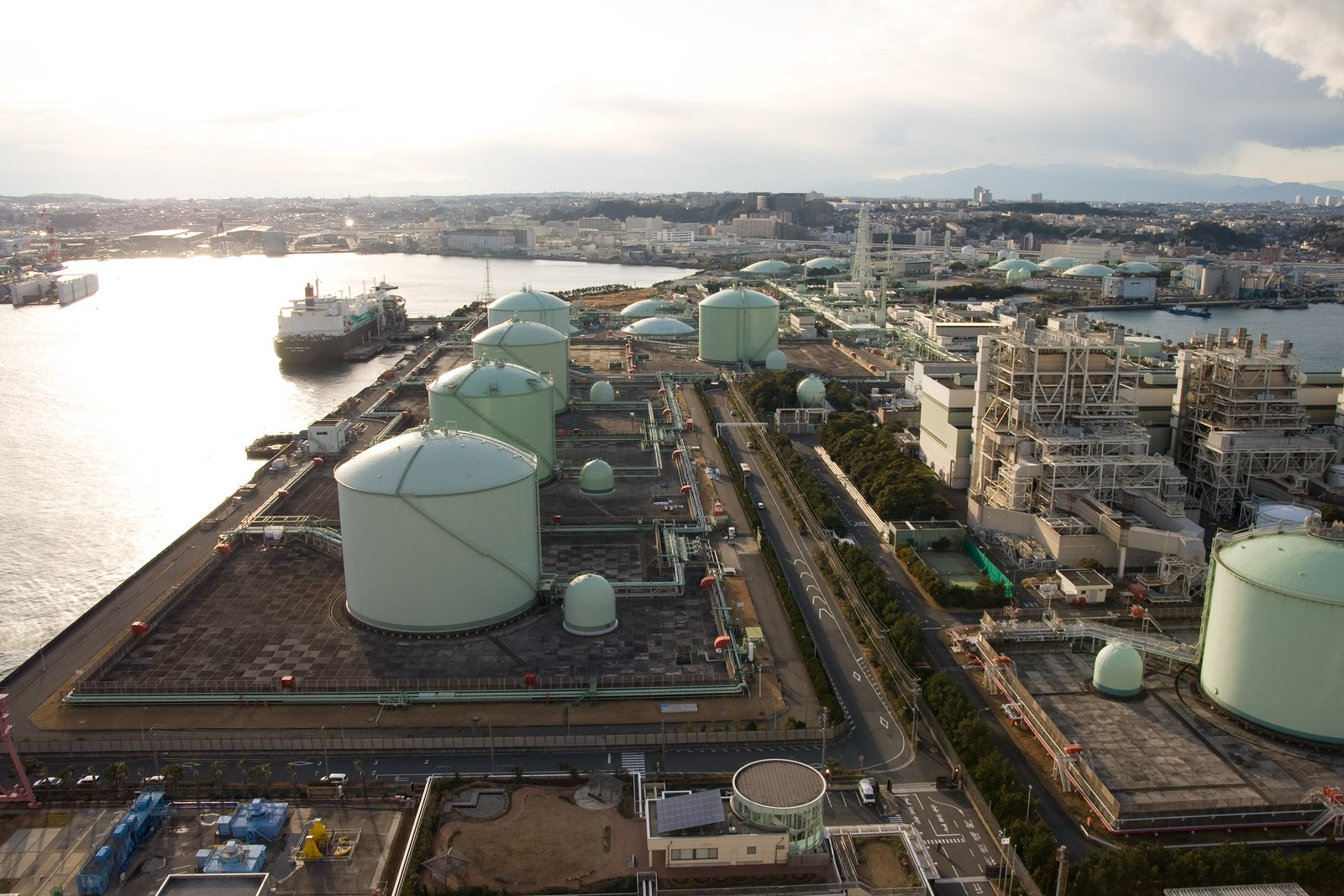
On the fringes of the country's energy sector, where the whispers of ancient stone statues once held sway, an armada of LNG tankers is silently rewriting the story of power, steering the nation away from its historical dependency on coal. This quiet metamorphosis is not just a shift in energy sources but a pivotal move towards a sustainable future.
LNG's Current Position in Vietnam's Energy Mix
Liquefied Natural Gas (LNG) is emerging as a significant component of Vietnam's energy mix, with the country actively seeking to diversify its energy sources. The Vietnamese government has been emphasizing the importance of LNG in its energy strategy, recognizing its potential to reduce reliance on coal and oil. According to the Ministry of Industry and Trade, LNG is expected to account for 10% of the country's primary energy supply by 2030, highlighting its growing importance in the energy sector. This shift towards cleaner energy sources is part of Vietnam's broader efforts to combat climate change and improve energy security.
The demand for LNG in Vietnam is also driven by the country's rapid economic growth and urbanization, which have led to an increased need for reliable and cleaner energy sources. The construction of new LNG power plants and the expansion of existing infrastructure are testament to this growing demand. For instance, the Son My LNG power plant, one of the largest in Southeast Asia, is expected to contribute significantly to the country's energy supply. This development implies that LNG is not only a part of the energy mix but also a key driver of Vietnam's energy future.
Vietnam's strategic location along major shipping routes also plays a role in its growing LNG market. The country's proximity to key LNG producing regions allows for more accessible and cost-effective imports, which is crucial for meeting the increasing demand. This geographical advantage positions Vietnam as a potential hub for LNG distribution in the region, further solidifying its role in the global LNG market.
Lastly, the Vietnamese government's push for renewable energy sources, including LNG, is also influenced by international commitments and environmental policies. As part of its Paris Agreement obligations, Vietnam has pledged to reduce greenhouse gas emissions and increase the share of renewables in its energy mix. The Ministry of Planning and Investment has noted that the country aims to have renewables, including LNG, account for 32% of its primary energy supply by 2030. This commitment underscores the pivotal role LNG is expected to play in Vietnam's sustainable energy transition.
The Surge of Renewable Energy: Solar and Wind
Vietnam has been experiencing a significant surge in renewable energy, particularly in solar and wind power. The country's solar power capacity has seen a remarkable increase, with installations reaching 1,600 megawatts (MW) by the end of 2020, as per VASEP. This rapid growth is a testament to the government's push for clean energy and the falling costs of solar technology. The implication is that Vietnam's energy mix is diversifying, reducing reliance on fossil fuels and enhancing energy security.
The growth in wind power is equally noteworthy. Vietnam's wind power capacity has been expanding, with projects in the pipeline expected to add significantly to the country's renewable energy portfolio. According to the Ministry of Finance, the government has been providing incentives to attract investment in wind energy projects, which is expected to boost the sector's development. This move suggests that Vietnam is not only focusing on solar power but is also diversifying its renewable energy sources, which can help stabilize the energy supply and reduce the impact of any single source's fluctuations.
The environmental benefits of this shift towards renewable energy are substantial. By increasing the share of solar and wind power in the energy mix, Vietnam is reducing greenhouse gas emissions, which is crucial in the fight against climate change. The Ministry of Finance noted that the government's commitment to renewable energy is part of its broader environmental strategy to meet international climate goals. This implies that Vietnam's energy policy is aligned with global sustainability efforts, which could attract further international investment and cooperation.
Lastly, the economic implications of the renewable energy surge are significant. The expansion of solar and wind power sectors is creating new jobs and stimulating economic growth in related industries. VASEP reported that the solar power sector alone has created numerous employment opportunities, particularly in installation and maintenance. This development indicates that Vietnam's renewable energy push is not only environmentally beneficial but also economically advantageous, contributing to the country's overall economic development and job creation.
Policy Frameworks Driving the Energy Transition
Vietnam's energy transition is underpinned by a robust policy framework that emphasizes the adoption of Liquefied Natural Gas (LNG) as a cleaner alternative to traditional fossil fuels. The government's commitment to reducing greenhouse gas emissions is evident in its Nationally Determined Contributions (NDCs) under the Paris Agreement, which includes a target to cut emissions by 9% by 2030, a figure that could rise to 27% with international support. This policy direction implies a significant shift towards cleaner energy sources, with LNG poised to play a pivotal role in achieving these environmental goals.
The Ministry of Industry and Trade has been proactive in drafting decrees that facilitate the import of LNG, recognizing its importance in the energy mix. This regulatory push is aimed at diversifying the energy sources and reducing reliance on coal, which currently accounts for a significant portion of the country's electricity generation. The decree's impact on the energy sector is substantial, as it not only opens up new avenues for investment but also sets the stage for a more sustainable and environmentally friendly energy future.
In line with global trends, Vietnam has also been focusing on renewable energy development, with LNG serving as a complementary resource. The government's strategy to integrate LNG with renewable energy sources reflects a broader move towards a balanced energy portfolio that can meet the country's growing energy demands while adhering to environmental standards. This approach is expected to attract foreign investment, as investors look for opportunities in markets with clear regulatory support for clean energy projects.
Lastly, the Vietnamese government's efforts to align its energy policy with international standards are evident in its participation in initiatives such as the Asia-Pacific Economic Cooperation (APEC) and the Association of Southeast Asian Nations (ASEAN). These regional collaborations provide a platform for Vietnam to engage in dialogue and cooperation on energy issues, which can lead to the adoption of best practices and the sharing of technological advancements in LNG and other clean energy solutions. This international engagement is crucial for Vietnam to stay competitive in the global energy market and to secure its position as a leader in sustainable energy practices.
Foreign Investment Opportunities in LNG and Renewables
Vietnam's energy sector is undergoing a significant transformation, with a growing focus on Liquefied Natural Gas (LNG) and renewable energy sources. This shift presents substantial opportunities for foreign investors, particularly in the LNG sector. The country's LNG import capacity is expected to increase significantly, with the government aiming to reduce its reliance on coal and oil. This strategic move opens avenues for international companies to participate in the development of LNG infrastructure and supply chains, thereby tapping into a growing market. According to the Ministry of Industry and Trade, the demand for LNG in Vietnam is projected to reach 7-8 million tons by 2030, highlighting the potential scale of investment opportunities.
The renewable energy sector is another area where foreign investment is gaining momentum. Vietnam's commitment to increasing the share of renewables in its energy mix has led to the development of numerous solar and wind power projects. The country's solar power capacity has seen a remarkable increase, with installations growing from virtually nothing a few years ago to over 5,000 megawatts by the end of 2020, as per the Vietnam Energy Association. This rapid expansion offers lucrative investment prospects for companies with expertise in renewable energy technologies and project development.
In addition to the direct investment opportunities in energy generation, there is a growing demand for energy storage solutions to support the integration of intermittent renewable energy sources into the grid. Foreign companies with advanced battery storage technologies can play a crucial role in this sector, helping Vietnam to manage its energy supply more efficiently. The Ministry of Finance noted that the government is considering incentives for energy storage projects, which could further boost investment in this area.
Lastly, the Vietnamese government's push for energy efficiency and the adoption of cleaner technologies presents opportunities for foreign companies in the energy services sector. This includes companies that specialize in energy management systems, smart grid technologies, and energy-efficient equipment. As Vietnam strives to meet its environmental targets and improve the sustainability of its energy sector, the demand for such services is expected to rise, offering a fertile ground for foreign investment.
Challenges and Risks in the Energy Transition Path
The transition to Liquefied Natural Gas (LNG) as a cleaner energy source in Vietnam is not without challenges. One of the primary concerns is the high initial investment costs associated with LNG infrastructure development. According to the Ministry of Industry and Trade, the capital expenditure required for LNG infrastructure is substantial, which could deter smaller players from entering the market. This high entry cost may lead to a slower adoption rate of LNG, potentially delaying Vietnam's progress towards a sustainable energy future.
Another significant challenge lies in the fluctuating global LNG prices, which can impact the economic viability of LNG projects in Vietnam. As per Bloomberg, global LNG prices have been volatile in recent years, influenced by factors such as geopolitical tensions and supply chain disruptions. This volatility can affect the financial planning and profitability of LNG projects, posing a risk to investors and developers alike.
The environmental impact of LNG extraction and transportation also presents a risk. Although LNG is cleaner than coal and oil, the process of extracting and transporting it can result in methane emissions, a potent greenhouse gas. The Ministry of Natural Resources and Environment has emphasized the need for strict environmental regulations to mitigate these emissions. Failure to adhere to these standards could lead to regulatory penalties and reputational damage for companies involved in the LNG supply chain.
Lastly, the geopolitical landscape can pose risks to Vietnam's LNG ambitions. The country's reliance on imported LNG makes it vulnerable to global supply disruptions and political tensions. For instance, any geopolitical conflict in major LNG-exporting regions could disrupt supplies and affect Vietnam's energy security. This geopolitical risk underscores the importance of diversifying energy sources and building strategic partnerships to ensure a stable LNG supply.
The Outlook for LNG and Renewables by 2026
Vietnam's energy landscape is set to undergo significant changes as the country aims to diversify its energy mix and reduce its reliance on coal. By 2026, the Ministry of Industry and Trade has outlined plans to increase the share of LNG in the energy mix, which is expected to have a substantial impact on the country's energy security and environmental sustainability. The shift towards cleaner energy sources, such as LNG, is anticipated to reduce greenhouse gas emissions and improve air quality, aligning with Vietnam's commitment to the Paris Agreement on climate change. This transition is crucial for Vietnam as it seeks to balance economic growth with environmental protection.
The integration of renewable energy sources into Vietnam's energy mix is also gaining momentum. According to VASEP, the share of renewable energy in the country's total power generation is projected to increase significantly in the coming years. This growth is driven by the falling costs of renewable technologies and the government's supportive policies, which aim to attract investment in clean energy projects. The expansion of renewable energy is expected to not only reduce the country's carbon footprint but also to create new job opportunities and stimulate economic growth in the sector.
The Ministry of Finance noted that the government's financial incentives, such as tax exemptions and reduced import duties for renewable energy equipment, are instrumental in fostering the growth of the renewable energy sector. These measures are expected to make renewable energy projects more financially viable, thereby attracting both domestic and foreign investment. The government's commitment to providing a conducive environment for renewable energy development is a clear signal to investors of the potential for high returns in this sector.
In the context of Vietnam's energy transition, the role of LNG as a bridging fuel cannot be overlooked. LNG is seen as a cleaner alternative to coal, emitting less carbon dioxide when burned for power generation. Bloomberg has reported that the global demand for LNG is expected to grow, driven by countries seeking to reduce their carbon emissions. Vietnam's strategic location along major shipping routes and its proximity to LNG-rich regions position it well to capitalize on this trend. The development of LNG infrastructure and the establishment of import terminals are critical steps in facilitating the country's shift towards cleaner energy sources.
As Vietnam progresses towards its energy transition goals, the interplay between LNG and renewable energy sources will be pivotal. The country's ability to successfully integrate these sources into its energy mix will determine the pace and effectiveness of its sustainable energy shift. The outlook for LNG and renewables by 2026 is promising, with the potential to significantly alter Vietnam's energy landscape and contribute to its long-term economic and environmental sustainability.
The anticipated growth in global LNG demand, as reported by Bloomberg, presents a strategic opportunity for Vietnam to leverage its geographical advantages and establish itself as a key player in the clean energy transition. The integration of LNG with renewable energy sources will be crucial for Vietnam to achieve its sustainable energy goals by 2026. the market suggests keep an eye on the development of LNG infrastructure and import terminals, as these will be critical in facilitating the country's shift towards cleaner energy sources and potentially offer investment opportunities in the energy sector.
The interplay between LNG and renewable energy sources in Vietnam's energy mix will not only determine the effectiveness of its sustainable energy shift but also have significant implications for the country's long-term economic and environmental sustainability. As Vietnam progresses towards its energy transition goals, the potential for significant alterations in its energy landscape presents opportunities for investors to explore in the burgeoning clean energy market. The ability to successfully integrate these sources will be a key determinant of Vietnam's success in reducing carbon emissions and achieving its sustainability targets.