



Unfurling solar panels stretch across the southern coast, silver surfaces glistening under the relentless sun, an unlikely accomplice in an ambitious renewable leap.
Market Overview: Current State of Solar and Wind Power in Vietnam
Vietnam's renewable energy sector is burgeoning, with solar and wind power at the forefront of this green revolution. As of 2023, the country's installed solar capacity has seen a significant surge, reaching over 18.5 GW, a stark contrast to the mere 134 MW in 2018, according to VASEP. This exponential growth underscores the nation's commitment to harnessing solar power, which is further reinforced by the government's Feed-in-Tariff (FIT) policy that incentivizes solar power development. The FIT policy, which guarantees a fixed price for solar power sold to the grid, has been a catalyst for the solar sector's rapid expansion, attracting both domestic and international investment.
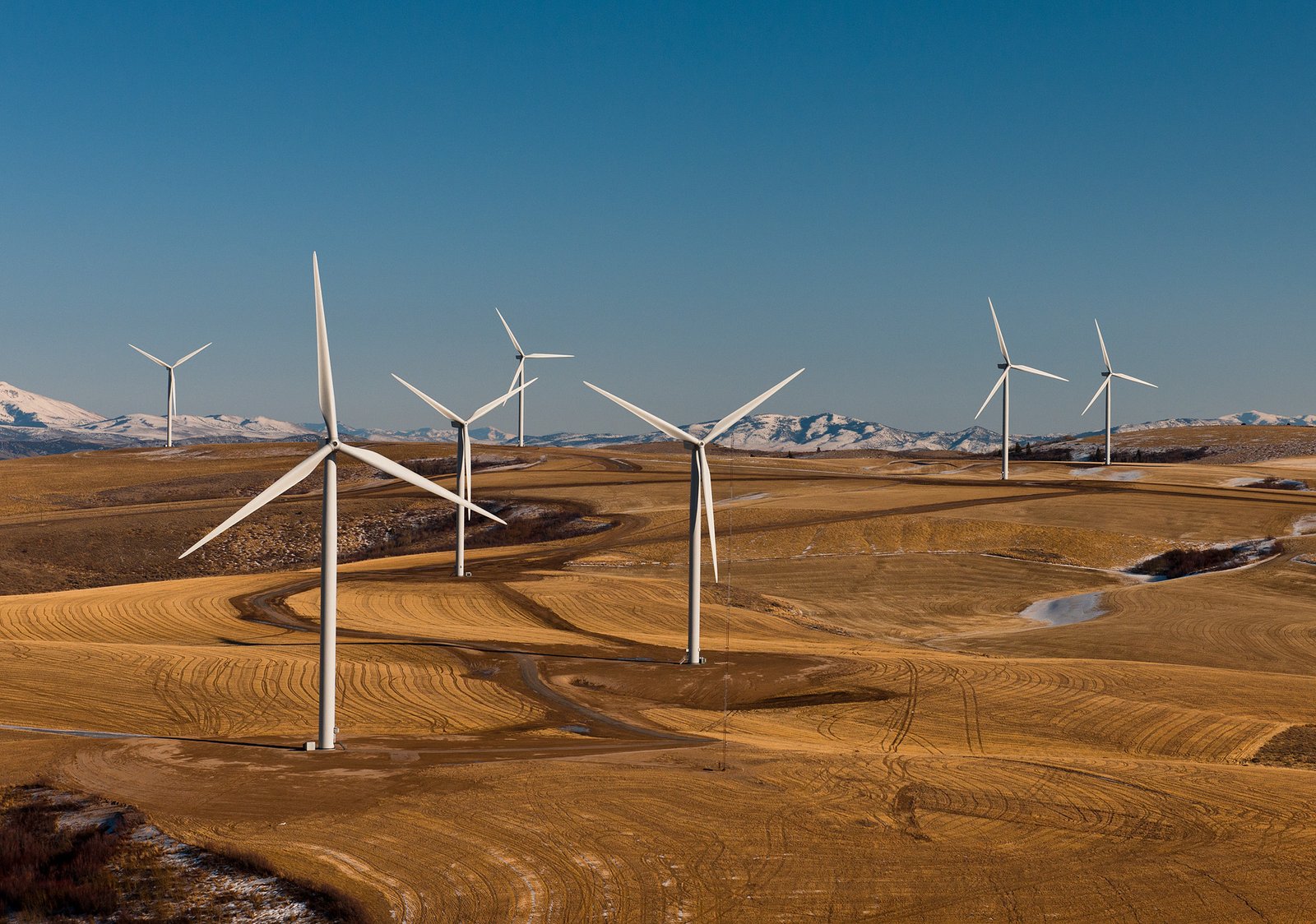
Parallel to the solar power boom, Vietnam's wind power sector is also gaining momentum. By the end of 2022, the country had approximately 1.1 GW of wind power capacity installed, a substantial increase from the less than 100 MW in 2020, as reported by Bloomberg. This growth is attributed to the favorable wind conditions along the coastal regions and the government's push for renewable energy diversification. The Ministry of Industry and Trade has been instrumental in this regard, outlining clear development plans and providing regulatory support to facilitate wind farm projects.
The environmental impact of these renewable energy developments is not negligible. According to the Ministry of Finance, the shift towards renewable energy is expected to reduce greenhouse gas emissions by 10% by 2030, aligning with Vietnam's commitment to the Paris Agreement. This reduction is crucial for the country's long-term sustainability and global environmental responsibilities. The economic implications are equally significant, with the renewable energy sector offering new avenues for job creation and technological advancement, thereby contributing to Vietnam's economic diversification and growth.
Lastly, the investment landscape for renewable energy in Vietnam is becoming increasingly attractive. Foreign direct investment (FDI) in the sector has been on the rise, with investors recognizing the potential of a market with a growing demand for clean energy. The government's supportive policies, combined with the country's strategic location and abundant natural resources, position Vietnam as a promising destination for renewable energy investment. This trend is expected to continue, especially as the government sets ambitious targets for renewable energy capacity by 2026, further opening up opportunities for both local and international players in the sector.
Growth Drivers: Policy Support and Investment Incentives
Vietnam's renewable energy sector is being propelled forward by robust policy support and investment incentives, creating a fertile ground for growth. The government's commitment to renewable energy is evident in its National Energy Development Strategy, which sets a target of 21% renewable energy in the primary energy mix by 2030, and 27%-30% by 2045, according to the Ministry of Industry and Trade. This policy framework not only signals a long-term vision but also provides a clear roadmap for investors, fostering confidence and reducing uncertainty in the market.
The financial incentives offered by the government are equally significant. For instance, the feed-in-tariff (FIT) policy, as per the Ministry of Finance, provides a guaranteed purchase price for electricity generated from renewable sources, which can be particularly attractive for foreign investors. This policy reduces the financial risk associated with renewable energy projects, making them more bankable and thus more likely to attract the necessary capital.
In addition to the FIT policy, tax incentives are also playing a crucial role in spurring investment. Enterprises investing in renewable energy projects are eligible for a corporate income tax reduction of 10% for 15 years, as outlined in Decree No. 142/2026/ND-CP. This measure significantly lowers the cost of capital, making renewable energy projects more financially viable and competitive against traditional energy sources.
The impact of these policy measures is already being felt in the market. According to VASEP, foreign direct investment (FDI) in Vietnam's renewable energy sector has seen a marked increase in recent years, with many projects reaching financial close and commencing construction. This surge in investment activity is not only a testament to the effectiveness of the government's policies but also a harbinger of the significant growth potential that lies ahead for Vietnam's renewable energy sector.
Investment Opportunities: Key Projects and Sector Players
The renewable energy sector in Vietnam is poised for significant growth, with substantial investment opportunities emerging. $35.5billion worth of projects are planned for the 2021-2030 period, as per the Ministry of Industry and Trade. This substantial capital inflow is expected to invigorate the sector, with solar and wind power projects leading the charge. The development of these projects will not only contribute to Vietnam's energy security but also create lucrative opportunities for investors looking to capitalize on the country's green energy transition.
A notable project in the pipeline is the $1.8billion Phu Yen wind power project, which is set to be one of the largest in Southeast Asia, according to the Ministry of Industry and Trade. This initiative, along with others like it, signals a shift towards renewable energy and presents an opportunity for investors to participate in a burgeoning market. The project's scale and the region's growing demand for clean energy suggest potential for high returns on investment, provided that the necessary infrastructure and regulatory support are in place.
The landscape of sector players is also evolving, with both domestic and international companies vying for a share of the market. Vietnamese companies like Trung Nam Group and Bitexco Group are actively investing in renewable energy projects, indicating a strong local interest in the sector. Meanwhile, international players like TotalEnergies and Siemens Gamesa are also expanding their presence in Vietnam, bringing with them advanced technology and expertise. This influx of both local and foreign investment is expected to drive innovation and competition, further catalyzing the growth of the renewable energy sector.
The Vietnamese government's commitment to renewable energy is further underscored by its 85% target for renewable energy in the power generation mix by 2050, as outlined in the Power Development Plan VII. This ambitious goal implies a substantial increase in the capacity for renewable energy production, which in turn suggests a significant expansion of the market for related technologies and services. Investors with a long-term perspective may find this a compelling opportunity, as the transition towards renewable energy is likely to be a sustained trend rather than a fleeting one.
Challenges and Risks: Grid Integration and Intermittency Issues
Vietnam's ambitious renewable energy targets face the challenge of integrating these sources into the existing grid infrastructure. The intermittent nature of wind and solar power, which do not produce constant energy, poses a significant risk to grid stability. The Ministry of Industry and Trade has recognized this issue, noting the need for grid modernization to accommodate the fluctuating energy supply. This requires significant investment in smart grid technology and energy storage solutions, which can help balance supply and demand. The cost of these upgrades could be substantial, potentially affecting the economic viability of renewable projects.
The variability of renewable energy production also introduces market risks. According to VASEP, the volatility in energy output can lead to price fluctuations in the electricity market, affecting the profitability of renewable energy projects. Investors and energy regulatory requirements therefore consider the potential for revenue instability when planning and financing renewable energy ventures. This risk is particularly pronounced in a market like Vietnam, where the energy infrastructure is still developing and may not be fully equipped to handle the unpredictability of renewable energy sources.
Another challenge is the potential for overcapacity in renewable energy production. With the aggressive expansion targets, there is a risk that the grid may not be able to absorb all the generated power, leading to wastage. Bloomberg reports that excess renewable energy can lead to a situation where the grid becomes congested, which not only results in energy loss but also increases the risk of blackouts. This issue underscores the need for a comprehensive grid management strategy that can efficiently distribute and utilize the energy produced.
Lastly, the environmental impact of renewable energy projects must be carefully managed. While renewable energy is generally considered environmentally friendly, the construction and operation of these projects can have local environmental consequences. The Ministry of Natural Resources and Environment has emphasized the importance of environmental impact assessments for all renewable energy projects. This requirement adds another layer of complexity to project planning and execution, as developers must ensure that their projects comply with environmental regulations, which can be stringent and may impose additional costs.
Comparative Analysis: Vietnam's Progress vs. Regional Neighbors
Vietnam's renewable energy ambitions are not an isolated phenomenon within Southeast Asia; the country is part of a broader regional shift towards cleaner energy sources. 41% of Vietnam's power generation capacity is projected to come from renewables by 2030, a significant stride when compared to Thailand's target of 37% and the Philippines' aim of 35%, as reported by the International Renewable Energy Agency (IRENA). This suggests Vietnam is not only keeping pace but is also striving to take a leading position in the region's renewable energy transition.
In terms of solar power, Vietnam has made substantial progress, with 16.3 GW of solar power capacity added between 2018 and 2020, as per the Ministry of Industry and Trade. This rapid expansion outpaces that of its neighbors; for instance, Thailand added 2.5 GW over the same period, according to the Ministry of Industry and Trade. The swift uptake of solar power in Vietnam reflects the country's aggressive push towards renewable energy and its success in attracting investments in this sector.
When it comes to wind power, Vietnam is targeting an installation capacity of 3.5 GW by 2030, a goal that, if achieved, would significantly exceed the current capacities of its regional peers. The Philippines, for example, has a total installed wind power capacity of 0.3 GW as of 2020, indicating Vietnam's more ambitious stance in harnessing this particular renewable resource.
The comparative analysis also reveals the economic implications of Vietnam's renewable energy push. With an expected $40billion needed for renewable energy investments by 2030, as noted by the Asian Development Bank, Vietnam's investment climate is heating up. This figure underscores the substantial capital inflow required and the opportunities it presents for both domestic and international investors looking to capitalize on the country's green energy initiatives.
Future Outlook: Projections for 2026 and Beyond
Vietnam's renewable energy sector is expected to see a substantial increase in capacity by 2026, with the government aiming for 12,000 MW of solar power and 800 MW of wind power installed, as per the Power Development Plan VII. This ambitious target implies a significant shift from the current energy mix, potentially reducing the country's reliance on fossil fuels and enhancing its energy security. The implications are profound for both domestic and international investors, as the expansion of renewable energy infrastructure will likely require substantial capital investment, presenting lucrative opportunities for those with foresight.
The Ministry of Finance noted that to achieve these renewable energy goals, Vietnam will need to attract an estimated $40-50 billion in investment by 2026. This figure underscores the scale of the financial commitment required to transition towards a greener economy. Investors with an interest in clean energy projects may find this an opportune moment to enter the Vietnamese market, as the government's commitment to renewable energy is likely to create a conducive environment for investment, including potential tax incentives and regulatory support.
The environmental impact of this renewable energy push should not be overlooked. The reduction in greenhouse gas emissions is expected to be substantial, aligning with global efforts to combat climate change. This move towards sustainability could enhance Vietnam's reputation internationally, potentially attracting further investment not only in energy but also in other green sectors. The country's commitment to reducing emissions could position it as a leader in the region, influencing regional environmental policies and fostering collaboration on sustainable development.
Looking beyond 2026, the success of Vietnam's renewable energy targets could pave the way for even more ambitious goals. As the technology advances and costs decrease, the country may find itself well-positioned to expand its renewable energy capacity further. This long-term vision could see Vietnam not only meeting but exceeding its initial targets, setting a precedent for other developing nations to follow. The investment implications are far-reaching, as the market for renewable energy solutions is likely to grow, offering a fertile ground for innovation and expansion.
Vietnam's ambitious renewable energy targets for 2026 signal a significant shift towards sustainability, potentially transforming its global reputation and attracting investment in green sectors. As the country advances in renewable energy technology and reduces costs, it may surpass initial targets, setting a precedent for other developing nations. This long-term vision could significantly expand the market for renewable energy solutions, fostering innovation and growth.
The investment landscape in Vietnam is poised to evolve, with the renewable energy sector likely to flourish. As the country progresses towards its 2026 goals and potentially sets more ambitious targets, the market for renewable energy solutions is expected to expand, offering opportunities for innovation and expansion in the green sector. The data implies a growing market for sustainable investments, with Vietnam potentially emerging as a regional leader in environmental policies and sustainable development.