



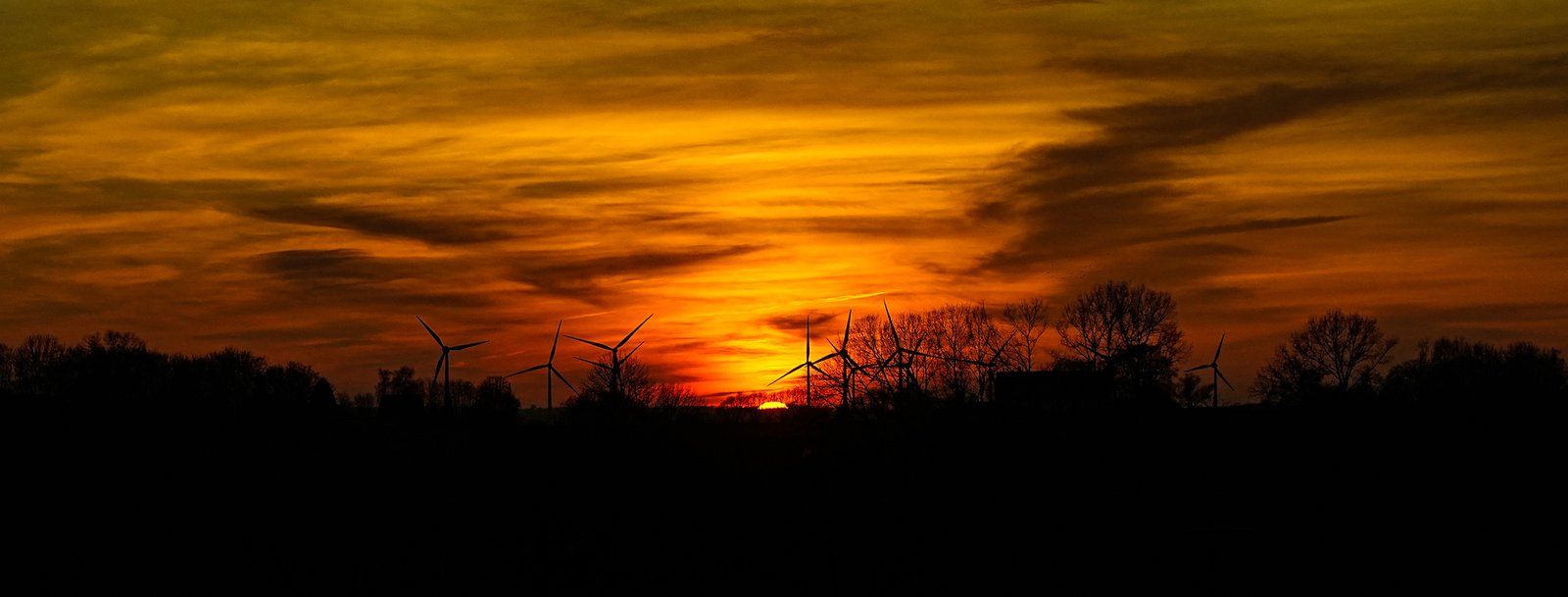
Amidst the familiar dance of waves and the rhythmic calls of seagulls, a new feature now punctuates the coastal silhouette: the subtle curve of solar panels and the slow spin of wind turbines, quietly at work. Unbeknownst to many, this marks the harnessing of abundant natural resources, remaking the picture of energy generation.
Transition from Coal and Hydropower to Solar and Wind
Vietnam's energy transition is marked by a strategic shift from traditional sources like coal and hydropower to renewable energy sources, particularly solar and wind. This shift is crucial in light of the country's commitment to reduce greenhouse gas emissions and increase the share of renewable energy in the national energy mix. According to the Ministry of Industry and Trade, the share of renewables in Vietnam's primary energy supply is projected to increase from 3.3% in 2016 to 23.2% by 2030. This significant increase implies a substantial reduction in reliance on coal and hydropower, which have been the dominant energy sources in Vietnam.
The transition to solar and wind energy is also supported by the country's abundant natural resources. Vietnam boasts an average of 2,500-2,700 sunny hours per year, which provides a strong foundation for solar power development. Similarly, the country's extensive coastline offers significant potential for wind energy generation. The Ministry of Planning and Investment has recognized these advantages, setting a target for solar power to contribute 12% of the total power generation by 2030, highlighting the government's commitment to harnessing these resources.
Economic factors also play a role in this energy transition. The cost of renewable energy, particularly solar, has been decreasing, making it a more competitive option compared to traditional energy sources. Bloomberg reports that the levelized cost of electricity from solar photovoltaics (PV) has dropped by 81% since 2010, making it an attractive alternative for Vietnam's energy mix. This cost advantage, coupled with the environmental benefits, positions solar and wind as key drivers in Vietnam's energy transition.
Lastly, the government's policy framework is aligned with this transition. The Prime Minister's Decision No. 1404/Q-TTg, issued in 2019, sets out a roadmap for the development of solar and wind power projects, including feed-in tariffs and incentives for renewable energy development. This policy support is instrumental in attracting both domestic and foreign investment in the renewable energy sector, thereby facilitating the transition from coal and hydropower to solar and wind.
Ensuring Energy Security with LNG
Liquefied Natural Gas (LNG) plays a pivotal role in Vietnam's energy security strategy, as it provides a reliable and flexible source of energy. The country's energy transition plan emphasizes the importance of diversifying energy sources, and LNG is a key component of this diversification. According to the Ministry of Industry and Trade, LNG is expected to contribute significantly to meeting the country's growing energy demands while reducing reliance on coal and oil. This shift is crucial for Vietnam to achieve its energy security and environmental goals by 2026.
The interplay between LNG and renewable energy sources like solar and wind is essential for Vietnam's energy transition. While solar and wind provide clean energy, their intermittent nature requires a stable baseload power source. LNG can serve this purpose, ensuring a consistent energy supply when renewable sources are not generating power. This balance is critical for maintaining grid stability and meeting peak demand, especially during periods of low wind or solar output. The Ministry of Industry and Trade has recognized this and is actively promoting the development of LNG infrastructure to support the integration of renewables into the energy mix.
The economic implications of LNG's role in Vietnam's energy security are significant. The Ministry of Finance noted that the import of LNG can help stabilize energy prices and reduce the country's exposure to fluctuations in global oil and coal markets. This stability is particularly important for a country like Vietnam, which has a growing economy and increasing energy demands. By investing in LNG infrastructure, Vietnam can ensure a more predictable energy supply, which is essential for economic growth and development.
Environmental considerations are also driving Vietnam's increased focus on LNG. The Ministry of Natural Resources and Environment has emphasized the need to reduce greenhouse gas emissions and improve air quality. LNG, when compared to coal, emits approximately half the carbon dioxide and significantly fewer pollutants, making it a more environmentally friendly option. This aligns with Vietnam's commitment to reducing its carbon footprint and meeting international climate change targets.
Achieving 35% Renewable Energy Mix by 2030: Vietnam's Progress and Challenges
Vietnam's energy transition is heavily reliant on increasing the share of renewable energy in its total energy mix. The country aims to achieve a 35% renewable energy mix by 2030, a significant step towards reducing its carbon footprint and enhancing energy security. According to the Ministry of Industry and Trade, as of 2021, renewable energy accounted for 11.4% of the total primary energy supply. This indicates a substantial increase is required to meet the 2030 target, implying a rapid expansion of renewable energy infrastructure is necessary.
The growth of solar and wind energy is a critical component of Vietnam's renewable energy strategy. The country has experienced a surge in solar power capacity, with installations increasing from virtually none in 2017 to over 16.7 gigawatts by 2021, as reported by the Ministry of Industry and Trade. This rapid expansion has been facilitated by policies such as the feed-in tariff, which has incentivized private investment in solar projects. However, the intermittent nature of solar and wind energy poses challenges for grid stability and requires sophisticated energy storage solutions to ensure a consistent power supply.
The integration of Liquefied Natural Gas (LNG) into Vietnam's energy mix is also a strategic move towards achieving the 2030 renewable energy target. LNG is considered a cleaner alternative to coal, emitting approximately 50% less carbon dioxide when combusted for power generation, per Bloomberg. Vietnam's first LNG power plant, the 1.4 gigawatts Ph M 3 facility, came online in 2021, marking a significant step in the country's transition to cleaner energy sources. The development of LNG infrastructure is expected to complement renewable energy by providing a more stable baseload power supply, thus enhancing the overall reliability of the energy grid.
Challenges remain in achieving the 35% renewable energy target by 2030. One significant hurdle is the need for substantial investment in grid infrastructure to accommodate the variable nature of solar and wind power. The Ministry of Industry and Trade has acknowledged the need for smart grid technology to manage the increased penetration of renewables into the power system. Additionally, the country must balance the economic costs of transitioning to renewables with the environmental benefits, ensuring that the energy transition is both sustainable and economically viable.
Meeting 124 Thousand MW Demand: Strategies for Energy Supply Expansion
To meet the projected energy demand of 124 Thousand MW by 2026, Vietnam is focusing on a multi-pronged approach that includes the expansion of Liquefied Natural Gas (LNG), solar, and wind power. The country's energy strategy is pivoting towards cleaner and more sustainable sources, as indicated by the significant investment in renewable energy projects. According to Bloomberg, Vietnam's renewable energy capacity is expected to surge, with solar power alone projected to account for a substantial portion of the new energy mix. This shift not only addresses the growing energy demand but also aligns with global trends towards reducing carbon emissions.
The integration of LNG into Vietnam's energy matrix is a strategic move to diversify the country's energy sources and reduce reliance on coal. The Ministry of Finance noted that LNG imports are expected to increase, providing a cleaner alternative to traditional fossil fuels. This transition is crucial for Vietnam to meet its environmental commitments and to ensure energy security amidst global market fluctuations. The use of LNG also offers the flexibility to scale up or down energy production based on demand, making it a valuable asset in the country's energy arsenal.
Solar energy is emerging as a key component in Vietnam's energy supply expansion, with the government setting ambitious targets for solar power capacity. The country's geographical location, with an abundance of sunlight, makes solar an attractive option. The Ministry of Industry and Trade has recognized the potential of solar energy and is facilitating the development of solar projects through supportive policies and incentives. This push towards solar is not only expected to contribute significantly to the energy supply but also to stimulate economic growth through job creation and technology transfer.
Wind power is another area where Vietnam is looking to expand its energy generation capabilities. The coastal regions of the country offer favorable conditions for wind farms, and the government is actively promoting investment in this sector. According to VASEP, the Vietnam Association for Seafood Exporters and Producers, the development of wind power is seen as a way to capitalize on the country's natural resources and to move towards a greener energy future. The integration of wind power into the energy mix is expected to contribute to the diversification of Vietnam's energy sources and enhance its energy security.
LNG Thermal Power Capacity: Targeting 22,524 MW by 2030 in Vietnam's Energy Blueprint
The Vietnamese government has set an ambitious target to increase its liquefied natural gas (LNG) thermal power capacity to 22,524 MW by 2030, as part of its comprehensive energy transition strategy. This target underscores the country's commitment to diversify its energy mix and reduce reliance on coal, which currently accounts for a significant portion of its power generation. The shift towards LNG is expected to have a substantial impact on Vietnam's energy security and environmental sustainability, as LNG is a cleaner fuel compared to coal. According to the Ministry of Industry and Trade, this move aligns with the global trend of transitioning towards cleaner energy sources to combat climate change and reduce greenhouse gas emissions.
The integration of LNG into Vietnam's energy infrastructure will require significant investments in LNG import facilities, power plants, and associated transmission networks. This presents a substantial opportunity for both domestic and international investors, particularly those with expertise in LNG infrastructure development. The Ministry of Planning and Investment has indicated that foreign direct investment will play a crucial role in achieving these targets, suggesting a favorable environment for investment in the LNG sector. The development of LNG thermal power capacity is not only about meeting the energy demand but also about enhancing the resilience and reliability of Vietnam's power grid, which is critical for supporting the country's economic growth.
The target of 22,524 MW of LNG thermal power capacity by 2030 also implies a significant increase in the country's power generation capacity from LNG. Currently, Vietnam has limited LNG import and regasification infrastructure, which means that achieving this target will necessitate the construction of new facilities and the expansion of existing ones. This expansion will not only increase the country's energy supply but also potentially position Vietnam as a regional hub for LNG trade, given its strategic location and the growing demand for cleaner energy in the region.
Finally, the push for LNG thermal power capacity is part of a broader energy transition that includes the development of renewable energy sources such as solar and wind. The interplay between LNG and renewables is crucial for Vietnam to achieve a balanced energy mix that can meet the country's growing energy demand while also addressing environmental concerns. The Ministry of Industry and Trade has emphasized the importance of a diversified energy portfolio, which suggests that while LNG will play a significant role, it will be complemented by investments in solar and wind power to ensure a sustainable and secure energy future for Vietnam.
The Vietnamese government's aggressive push towards achieving a 20% renewable energy share by 2026, coupled with the expansion of LNG thermal power capacity, signals a significant shift in the country's energy landscape. This transition not only offers a pathway to meet the growing domestic energy demand but also presents an opportunity to establish Vietnam as a regional LNG hub. the market suggests anticipate an increased demand for energy infrastructure, particularly in LNG facilities and renewable energy projects, as the country moves to diversify its energy portfolio.
The interplay between LNG and renewable energy sources such as solar and wind is set to redefine Vietnam's energy market. This dynamic suggests that while LNG investments are likely to surge, there will also be a concurrent growth in renewable energy projects. Investors may find opportunities in both sectors, with the potential for synergies between them, as Vietnam strives for a sustainable energy mix that aligns with its environmental and economic goals. The strategic importance of Vietnam's location, along with its commitment to clean energy, positions the country as a key player in the regional energy market, with implications for both domestic and international investors.