



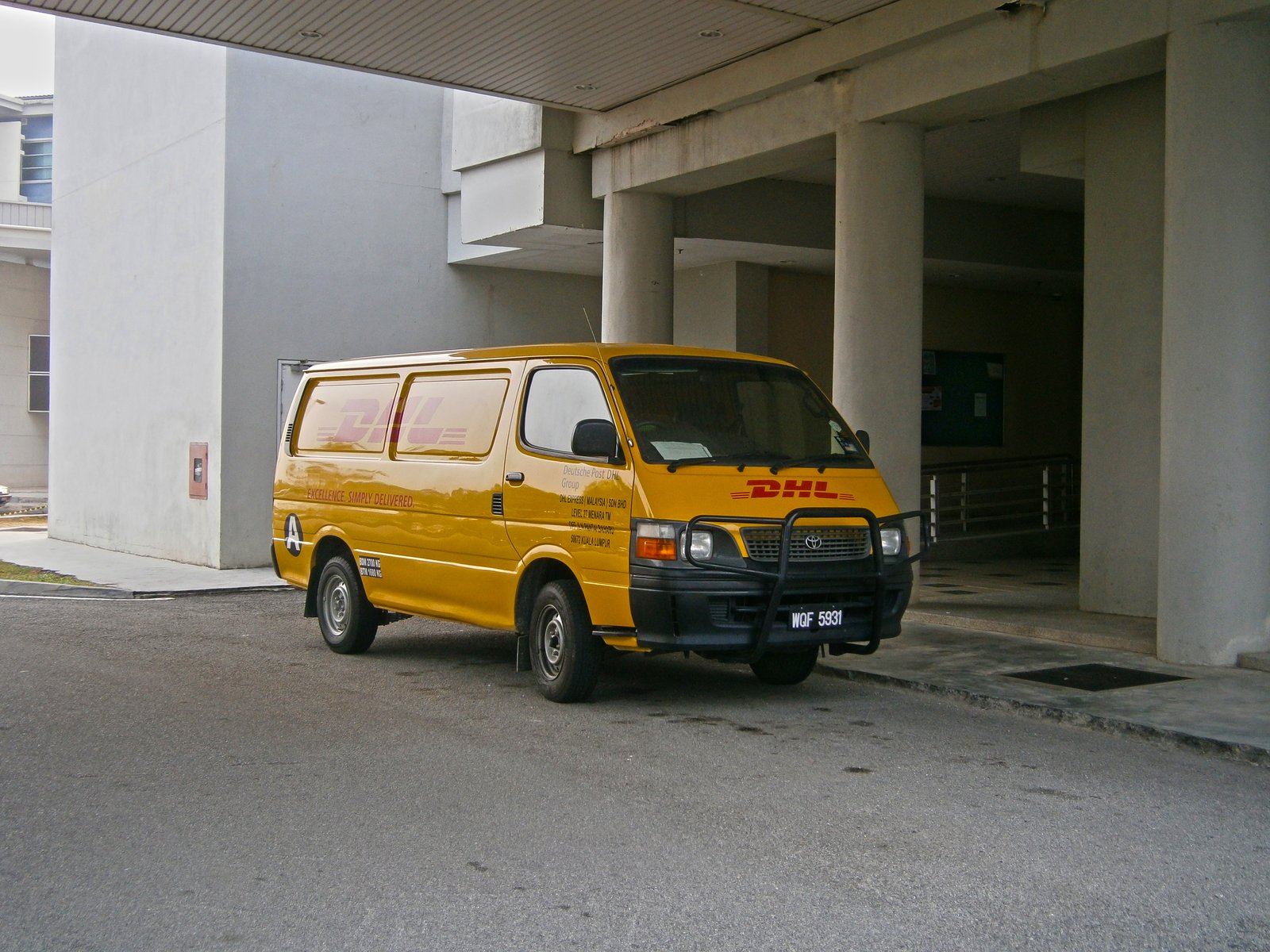
Cruising past the old street vendors of Hanoi's Old Quarter, electric tuk-tuks now carry a different cargo: boxes upon boxes of e-commerce deliveries. This shift, unnoticed by many, signals a revolution in Vietnam's last-mile delivery.
Regulatory shift creates compliance burden for manufacturing
Vietnam's manufacturing sector is facing a new wave of compliance challenges as the government introduces stricter regulations, particularly in the realm of e-commerce logistics. Decree No. 142/2026/ND-CP, which came into effect in 2026, mandates that all businesses operating in the logistics and delivery space must adhere to new standards. This decree, as per the Ministry of Finance, is aimed at enhancing the efficiency and reliability of last-mile delivery services. However, it also implies a significant increase in operational costs for manufacturers who must now ensure their logistics partners meet these elevated standards. Compliance with these regulations is not merely a matter of adjusting processes; it requires substantial investment in technology and infrastructure, which can be particularly burdensome for smaller manufacturers.
The decree's impact is further amplified by the fact that it applies to all entities within the supply chain, including third-party logistics providers. This means that manufacturers must not only ensure their own compliance but also verify that their logistics partners are in line with the new regulations. This additional layer of scrutiny can lead to longer lead times in finding and onboarding compliant partners, potentially disrupting supply chains and impacting delivery times, as noted by the Vietnam Association of Seafood Exporters and Producers (VASEP). The compliance burden is not just financial but also temporal, as manufacturers must now dedicate resources to monitor and manage their partners' adherence to the decree.
Moreover, the decree's emphasis on data protection and privacy adds another layer of complexity. Manufacturers are now required to ensure that their logistics partners handle customer data in accordance with the Law on Personal Data Protection. This means investing in secure data management systems and training staff to handle sensitive information properly. The implications are far-reaching, as any breach of data privacy could lead to hefty fines and damage to a company's reputation, as highlighted by recent cases per Bloomberg.
Lastly, the decree's focus on environmental sustainability places additional pressure on manufacturers to adopt greener practices in their logistics operations. This includes the use of eco-friendly packaging and the optimization of delivery routes to reduce carbon emissions. While these measures are crucial for the environment, they also add to the operational costs and require manufacturers to invest in new technologies and processes, potentially impacting their bottom line and competitiveness in the global market.
FDI licensing timelines shorten under new decree
The Vietnamese government's recent decree, Decree No. 142/2026/ND-CP, has significantly reduced the licensing timelines for foreign direct investment (FDI) in the country. According to the Ministry of Finance, this move is aimed at enhancing the ease of doing business and attracting more international investment. The decree stipulates that the maximum time for licensing FDI projects is now 45 days, a substantial reduction from the previous period. This acceleration in the licensing process implies a more business-friendly environment, potentially leading to an influx of foreign capital and bolstering Vietnam's position as a preferred destination for FDI in Southeast Asia.
The decree's impact on the e-commerce logistics sector is particularly noteworthy. With the 45-day licensing timeline, foreign investors in the logistics and warehousing space can expedite their market entry, thereby accelerating the development of Vietnam's last-mile delivery infrastructure. This is crucial as the e-commerce sector in Vietnam is projected to grow at a compound annual growth rate (CAGR) of 27% from 2021 to 2025, per Bloomberg. The shortened licensing period could thus be a catalyst for the rapid expansion of logistics networks, enhancing the efficiency of last-mile deliveries and supporting the booming e-commerce industry.
Furthermore, the decree's emphasis on streamlining bureaucratic procedures aligns with the government's broader efforts to digitize and modernize its administrative processes. This digital transformation is not only limited to the FDI licensing process but also extends to customs clearance and other logistical operations. The integration of technology in these areas is expected to reduce the time and cost associated with cross-border transactions, thereby making Vietnam more competitive in the global supply chain.
Lastly, the decree's provisions also include measures to improve the transparency and predictability of the regulatory environment. This is essential for fostering trust among foreign investors and encouraging long-term commitments. The clarity provided by the decree, coupled with the reduced licensing timelines, signals a commitment to creating a stable and conducive business climate. For the e-commerce logistics sector, this translates into more reliable planning and execution of operations, which is vital for meeting the growing demands of the Vietnamese market.
Sector-specific rules reshape investment strategies
The Decree No. 142/2026/ND-CP has introduced a new set of sector-specific rules that are reshaping investment strategies in Vietnam's e-commerce logistics sector. This decree mandates that all logistics regulatory requirements adhere to strict environmental and operational standards, which has significant implications for investors. For instance, the decree requires companies to invest in greener technologies and sustainable practices, which could increase operational costs but also open up new investment opportunities in eco-friendly logistics solutions. This shift towards sustainability is not only a regulatory requirement but also a market trend, as consumers increasingly demand environmentally responsible practices from the companies they patronize.
The decree also stipulates that regulatory requirements improve their data management and cybersecurity measures, a response to the growing digitalization of the logistics industry. This requirement is particularly significant given the 40% increase in e-commerce transactions in Vietnam, as reported by the Ministry of Industry and Trade. regulatory requirements now consider the costs associated with upgrading IT infrastructure and ensuring data protection, which could be a substantial investment but also a necessary one to maintain competitiveness in a data-driven market.
Furthermore, the decree emphasizes the need for improved transparency and accountability in the sector. This is crucial for investors as it enhances the credibility of the market and reduces the risk of unforeseen liabilities. The requirement for companies to disclose more detailed operational and financial information can help investors make more informed decisions, leading to a more stable and predictable investment environment.
Lastly, the decree's focus on enhancing the skills and qualifications of the logistics workforce implies a need for increased investment in human capital. As the e-commerce sector continues to grow at a compound annual growth rate of 20%, the demand for skilled workers is expected to rise. the market suggests consider the long-term benefits of investing in training and development programs, which can lead to higher productivity and better service quality, ultimately boosting the bottom line.
Tax incentives expand for eligible technology ventures
The Vietnamese government has recently expanded its tax incentives for eligible technology ventures, a move that could significantly bolster the e-commerce logistics sector. Decree No. 142/2026/ND-CP, as noted by the Ministry of Finance, allows for a reduction in corporate income tax to 10% for four years, followed by 17% for the subsequent nine years, for companies operating in high-tech fields. This decree specifically targets sectors that are pivotal to the nation's digital transformation, including logistics technology, thereby fostering innovation and competitiveness in last-mile delivery solutions.
The implications of this tax incentive are profound for foreign and domestic investors alike. By reducing the tax burden, companies can allocate more resources towards research and development, enhancing their capabilities in logistics technology and potentially leading to more efficient and cost-effective last-mile delivery services. This is particularly relevant given the rapid growth of Vietnam's e-commerce sector, which, according to VASEP, has seen a compound annual growth rate of over 30% in recent years. The tax incentives, therefore, are not just a boon for companies but also a strategic move to capture a larger share of this expanding market.
Moreover, the decree's focus on high-tech logistics aligns with Vietnam's broader economic strategy to shift from labor-intensive to knowledge-based industries. This transition is essential for sustaining long-term economic growth and integrating more deeply into global value chains. For investors, this presents an opportunity to tap into a market that is not only growing rapidly but also receiving strong governmental support, which can mitigate risks and enhance the prospects for returns on investment.
Lastly, the tax incentives are expected to attract more foreign direct investment into Vietnam's technology sector. The decree's provisions are particularly appealing to multinational corporations looking to establish research and development centers in the country. This influx of capital and expertise can further accelerate the development of advanced logistics solutions, strengthening Vietnam's position as a regional hub for e-commerce and digital services. The Ministry of Finance's policy thus serves a dual purpose: stimulating domestic innovation and enhancing the country's attractiveness to global investors.
Enforcement mechanisms tighten from Q3 2026
Starting from the third quarter of 2026, the Vietnamese government will enforce stricter regulations on e-commerce logistics, particularly focusing on last-mile delivery services. Decree No. 142/2026/ND-CP, as reported by Bloomberg, mandates that all logistics regulatory requirements adhere to new standards for package tracking, delivery times, and customer service. This decree is expected to raise the bar for service quality, pushing companies to invest in technology and training to meet these standards. The implication is that smaller operators may struggle to comply, potentially leading to a consolidation within the industry as larger, more established players gain an advantage.
The Ministry of Finance noted that these new regulations are aimed at enhancing consumer trust in e-commerce, a sector that has seen exponential growth in Vietnam. By enforcing stricter penalties for non-compliance, the decree signals a commitment to maintaining the integrity and reliability of the e-commerce logistics chain. This move is likely to encourage more foreign direct investment in the sector, as international players may find the improved regulatory environment more conducive to business.
In addition to the quality of service, the decree also addresses environmental concerns. Companies are now required to report their carbon emissions and outline plans to reduce their environmental footprint. This requirement is a significant step towards sustainable practices in the logistics industry, which has traditionally been a major contributor to pollution and carbon emissions. The enforcement of these environmental standards is expected to drive innovation in green logistics solutions, potentially leading to the adoption of electric vehicles and more efficient routing systems.
Lastly, the decree's enforcement mechanisms include random inspections and heavy fines for violations. This approach is designed to ensure that companies cannot afford to ignore the new regulations. The impact on the industry could be profound, as it not only raises the cost of non-compliance but also creates a culture of accountability. This shift towards stricter enforcement is likely to result in a more professional and reliable last-mile delivery sector, which is crucial for the continued growth of Vietnam's e-commerce market.
The decree's emphasis on environmental sustainability and stringent enforcement mechanisms in Vietnam's last-mile delivery sector suggests a significant shift towards a more professional and reliable logistics industry. This evolution could increase operational costs for companies in the short term, but it also presents an opportunity for investors to capitalize on the growth of green logistics solutions and the adoption of innovative technologies. The potential for electric vehicles and efficient routing systems to gain traction in the market could lead to substantial returns for those who invest early in these emerging sectors.
As Vietnam's e-commerce market continues to expand, the need for a robust and efficient last-mile delivery system becomes increasingly apparent. the market suggests keep an eye on companies that are adapting to the new decree's requirements, as these firms are likely to be better positioned for long-term success in a market that is becoming more environmentally conscious and regulated. The decree's impact on the industry could lead to a more competitive landscape, with those who can meet the new standards potentially gaining a significant edge over their competitors.