
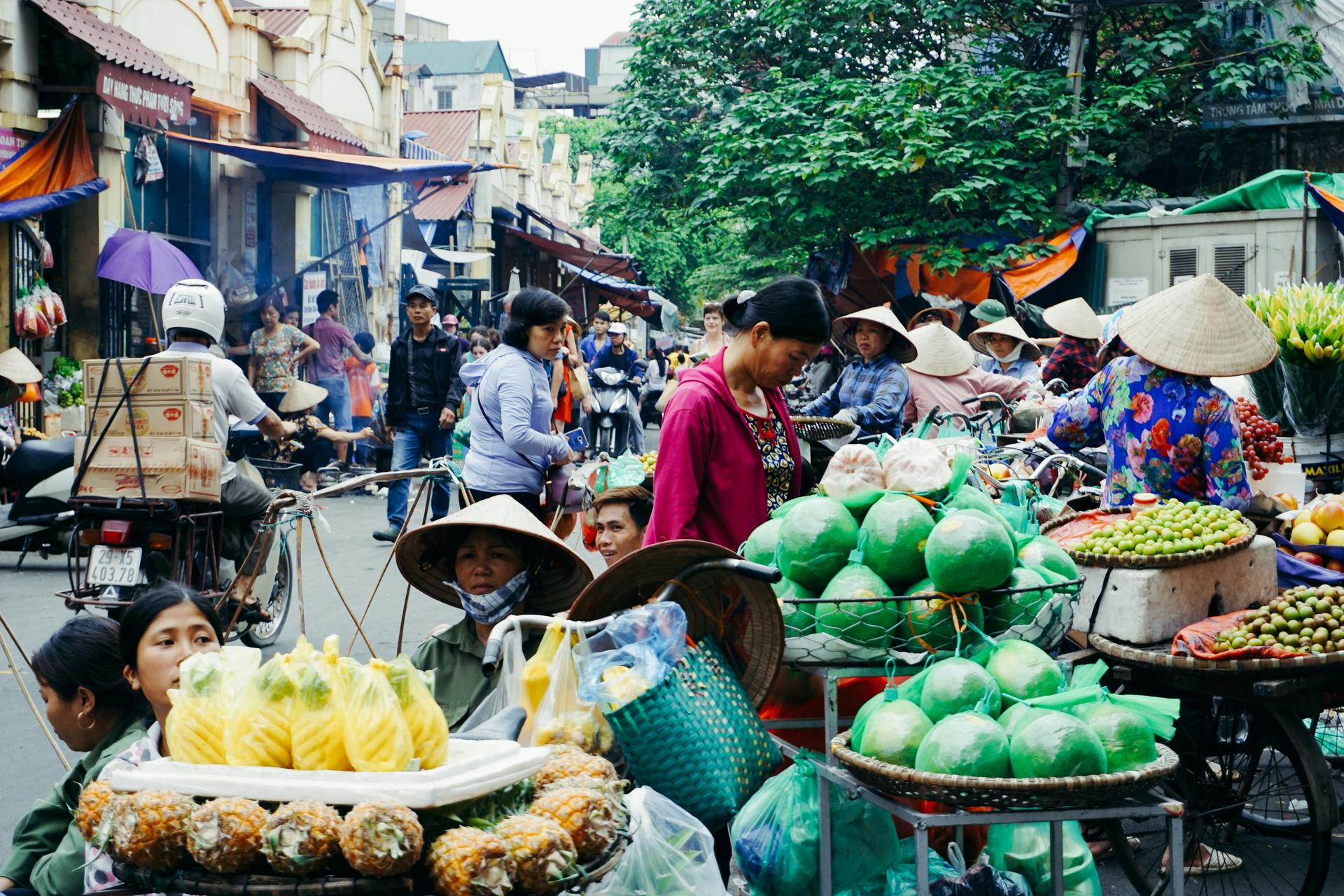


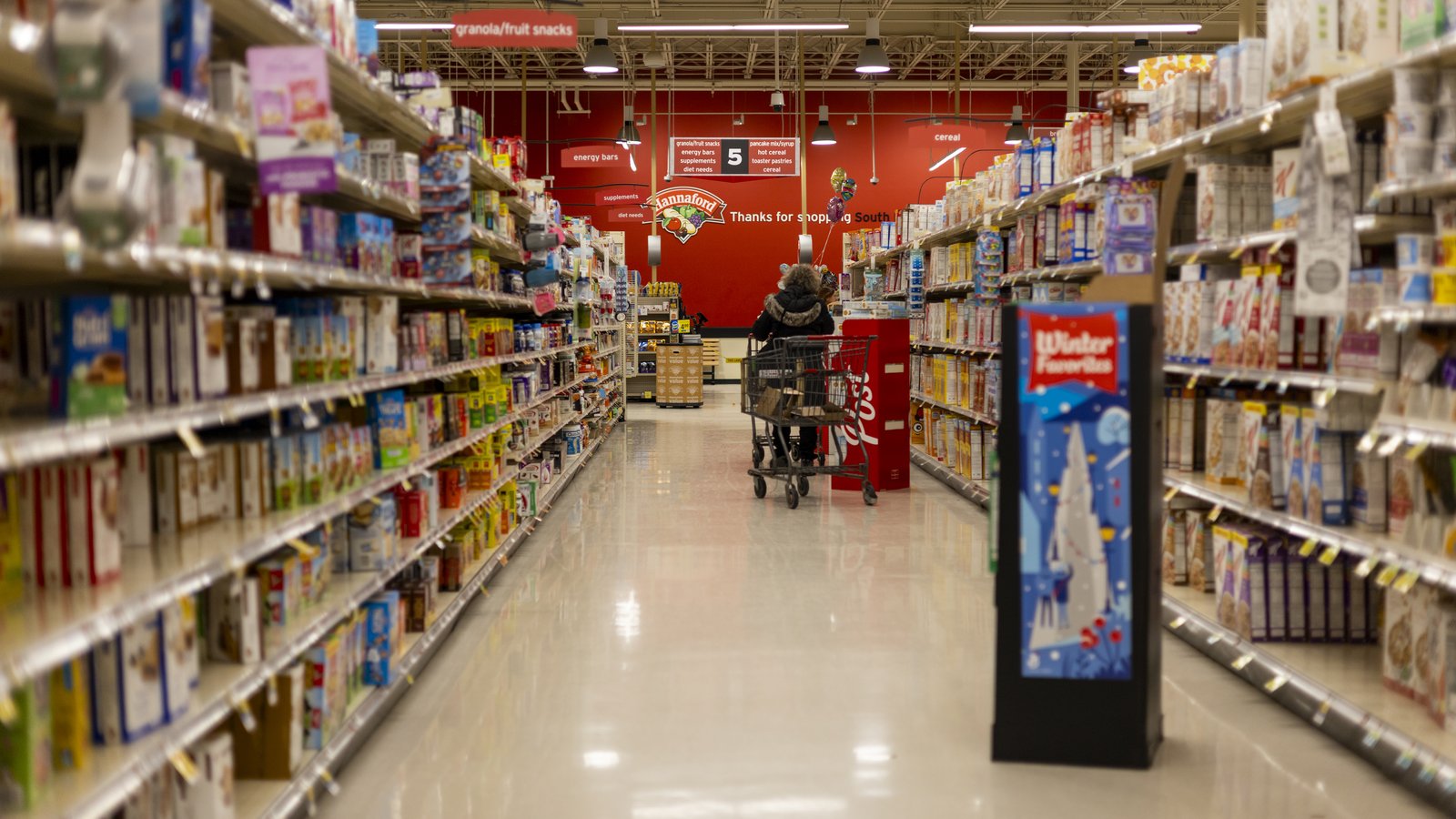
Neighborhood shopkeepers are ditching plastic bags at a pace that outruns any legislative decree. This swift and silent plastic purge, unfolding unnoticed, is rewriting the rules of green consumption.
Rise in Organic Food Demand Drives Market Expansion
The Vietnamese retail market is witnessing a significant shift in consumer preferences, with a growing demand for organic food products. This trend is evident as more health-conscious consumers are willing to pay a premium for organic and natural products, which are perceived to be healthier and environmentally friendly. According to VASEP, the Vietnam Association of Seafood Exporters and Producers, the organic food market in Vietnam has been expanding at a rapid pace, with a 20% annual growth rate observed in recent years. This surge in demand implies a substantial market opportunity for retailers and producers who can cater to this niche but growing segment.
The organic food market's expansion is also driven by the increasing awareness among Vietnamese consumers about the potential health risks associated with conventional farming practices, which often involve the use of chemical fertilizers and pesticides. This awareness is leading to a preference for organic produce, which is grown without such chemicals, thus reducing the risk of exposure to harmful substances. The Ministry of Health has noted an increase in health-related campaigns that educate consumers on the benefits of organic foods, further.
In addition to health concerns, the demand for organic foods is also being fueled by a growing environmental consciousness among Vietnamese consumers. The environmental impact of conventional agriculture, including soil degradation and water pollution, is becoming a significant concern for many. As a result, the organic food sector is seen as a more sustainable alternative, which aligns with the growing global trend towards sustainable consumption. This shift towards sustainability is expected to further bolster the organic food market's growth in Vietnam, as consumers seek out products that have a lower environmental footprint.
Lastly, the Vietnamese government's initiatives to promote organic farming and the certification of organic products are playing a crucial role in the market's expansion. The government's efforts to establish clear regulations and standards for organic products are helping to build consumer trust and confidence in the authenticity of these products. This regulatory support, coupled with the increasing consumer demand, is creating a favorable environment for the organic food sector to flourish in Vietnam.
Consumer Spending Growth Anticipated to Remain Positive in 2026
Vietnam's consumer spending growth is expected to remain positive in 2026, reflecting the country's economic resilience and growing purchasing power. The demand for premium retail, particularly organic foods and imported goods, is a testament to the changing consumer preferences and the increasing disposable income of the Vietnamese middle class. "Vietnam's economy is projected to grow at a robust pace, driven by domestic demand and a rebound in exports," per Bloomberg. This economic growth is anticipated to fuel consumer spending, thereby supporting the expansion of premium retail sectors. The implication is that businesses focusing on high-quality, niche products will likely find a receptive market in Vietnam.
The shift towards organic and imported goods also indicates a growing health consciousness and preference for global brands among Vietnamese consumers. "The organic food market in Vietnam is expected to expand, driven by increasing health awareness and the rising demand for natural and chemical-free products," according to VASEP. This trend suggests that retailers focusing on organic produce and health-oriented products are likely to benefit from this growing segment of the market. The implication is that there is a significant opportunity for retailers to tap into this niche market, potentially leading to higher profit margins due to the premium nature of these products.
Another factor contributing to the anticipated growth in consumer spending is the expansion of Vietnam's middle class. "Vietnam's middle class is projected to double by 2030," the Ministry of Finance noted. This demographic shift implies a significant increase in the number of consumers with the means to purchase premium products, thus creating a larger market for organic foods and imported goods. The implication is that retailers and brands that can cater to the tastes and preferences of this expanding middle class will be well-positioned to capture a larger share of the growing consumer market.
Lastly, the government's efforts to improve the business environment and attract foreign investment are also expected to contribute to the growth in consumer spending. "Vietnam's government has been actively promoting economic reforms to attract foreign investment and improve the ease of doing business," as per the World Bank. These reforms are likely to result in an influx of international brands and retailers, further diversifying the market and increasing the availability of premium products. The implication is that the Vietnamese retail landscape is set to become more competitive and dynamic, offering consumers a wider range of choices and potentially driving up the quality and variety of products available.
E-Commerce Logistics Market in Vietnam Forecasts Robust Growth
The e-commerce logistics market in Vietnam is anticipated to witness significant growth, driven by the country's burgeoning online retail sector. According to a recent report by Bloomberg, Vietnam's e-commerce market is projected to reach $36billion by 2026, a substantial increase from its current size. This growth trajectory implies a substantial demand for efficient logistics and delivery services to support the rapid expansion of online shopping. The implication for the logistics sector is clear: there is a pressing need to scale up operations and enhance infrastructure to accommodate the surge in e-commerce activities.
The growth in e-commerce has been further fueled by the increasing penetration of internet and smartphone usage in Vietnam. With a young and tech-savvy population, the country presents a fertile ground for digital commerce. The Ministry of Information and Communications reported that as of 2021, 73% of Vietnam's population had internet access, a figure that is expected to rise further. This widespread connectivity not only boosts the demand for online shopping but also necessitates a robust logistics system to ensure timely and efficient delivery of goods.
The demand for premium and imported goods, particularly in the organic food sector, is another factor contributing to the growth of the e-commerce logistics market. According to VASEP, the Vietnam Association of Seafood Exporters and Producers, the consumption of high-quality and organic products is on the rise, with a growing middle class seeking healthier and more sustainable options. This trend is expected to further drive the need for specialized logistics services that can handle the unique requirements of these products, such as temperature-controlled transportation and careful handling to maintain product integrity.
Lastly, the Vietnamese government's push for digital transformation and the development of a digital economy is also a key factor in the growth of the e-commerce logistics market. The government's strategic plan aims to increase the contribution of the digital economy to 30% of the country's GDP by 2030. This initiative is likely to accelerate the adoption of e-commerce, thereby creating additional demand for advanced logistics solutions that can support the digital economy's growth. The implications for investors and businesses in the logistics sector are significant, as they will need to innovate and adapt to meet the evolving needs of the digital economy.
Vietnam's Retail Market Enters a New Phase of Growth
Vietnam's retail sector is experiencing a significant shift as consumer preferences evolve. "The demand for organic foods and imported goods is expected to increase by 2026," according to VASEP, reflecting a growing trend among Vietnamese consumers for healthier and more diverse products. This change implies that retailers must adapt their offerings to cater to these preferences, potentially leading to a restructuring of supply chains and an increased focus on sustainable and high-quality products. The implication for investors is clear: there is a growing opportunity in the premium retail segment, which could offer higher profit margins and align with the changing consumer landscape.
The expansion into premium retail is not only driven by consumer demand but also by the country's economic growth. "Vietnam's GDP growth is expected to reach 6.5% in 2023," per Bloomberg, which provides a robust backdrop for increased consumer spending power. This economic backdrop suggests that the disposable income of Vietnamese consumers is likely to increase, enabling them to afford more premium products. This trend could lead to a surge in the retail market, particularly in segments that cater to the upper-middle class and affluent consumers who are willing to pay a premium for quality and exclusivity.
The Ministry of Finance noted that "import tariffs on certain goods have been reduced," which could further stimulate the growth of the premium retail market. Lower tariffs make imported goods more accessible and affordable, broadening the range of products available to Vietnamese consumers. This policy change could lead to an influx of international brands and products into the Vietnamese market, intensifying competition among retailers and potentially driving innovation in the sector.
Lastly, the growth of e-commerce in Vietnam is another factor that cannot be overlooked. "E-commerce sales are projected to reach $32billion by 2025," indicating a significant shift towards online shopping. This development has implications for the premium retail market, as it offers a new channel for retailers to reach consumers. The convenience and accessibility of online shopping could further fuel the demand for premium products, as consumers are more likely to explore and purchase high-quality goods through digital platforms. This trend underscores the importance of having a strong online presence for retailers aiming to capitalize on the growing premium retail market in Vietnam.
Export Growth Hinges on Market Expansion and High-Purchasing-Power Regions
The potential for export growth in Vietnam's premium retail sector is significantly tied to the expansion of markets that have a high purchasing power. The demand for organic foods and imported goods is particularly strong in regions with higher disposable incomes, where consumers are more likely to seek out premium products. This trend is supported by the increasing affluence in urban centers, which are driving the demand for high-quality, niche products. "The urbanization rate in Vietnam is projected to reach 50% by 2030," per the Ministry of Construction, indicating a substantial shift in consumer demographics that could bolster the premium retail sector.
The growth in export opportunities is also contingent upon the diversification of markets to which Vietnam exports its premium retail products. Currently, the European Union and the United States are significant markets for Vietnamese goods, but there is potential for expansion into other high-income regions. "Vietnam's trade with Asia-Pacific countries has seen a steady increase," according to VASEP, which suggests that there is room for further penetration and growth in these markets, particularly with the increasing demand for organic and specialty products.
Another critical factor influencing export growth is the ability of Vietnamese retailers to meet international quality standards and certifications. "Adherence to global organic certifications is crucial for Vietnamese exporters to penetrate premium markets," the Ministry of Agriculture and Rural Development noted. This implies that Vietnamese compliance obligations invest in quality control and certification processes to ensure their products meet the stringent requirements of high-income consumers.
Lastly, the infrastructure for logistics and supply chain management must be robust to support the growth of premium retail exports. "Efficient cold chain logistics are essential for maintaining the quality of perishable goods during transit," as highlighted by the Vietnam Logistics Business Association. The development and improvement of these logistics channels are imperative for the timely and safe delivery of premium products to international markets, thereby ensuring customer satisfaction and repeat business.
Asia Pacific Leads E-Commerce Logistics Market Share
The Asia Pacific region is projected to lead the global e-commerce logistics market share, with 44.5% of the total market share by 2026, per Bloomberg. This dominance is attributed to the region's rapid economic growth, increasing internet penetration, and a burgeoning middle class with a growing appetite for online shopping. The implications for Vietnam are significant, as the country is poised to benefit from this regional trend, particularly in the premium retail sector which includes organic foods and imported goods. The expansion of e-commerce platforms will facilitate easier access to these premium products, potentially driving up demand and sales within Vietnam.
The growth in e-commerce logistics is also expected to boost the demand for warehousing and fulfillment services in Vietnam. As the market for premium retail products expands, the need for efficient storage and distribution will increase. This presents an opportunity for investment in logistics infrastructure, which could support the growth of the premium retail sector. The Ministry of Finance noted that the government is actively seeking to improve logistics infrastructure to support the e-commerce boom, which will be crucial for the premium retail sector's expansion.
Furthermore, the rise of e-commerce in the Asia Pacific region is anticipated to drive innovation in supply chain management. Vietnamese premium retail businesses will need to adapt to meet the demands of online consumers, which may involve investing in technology to streamline operations and enhance customer experience. This could lead to the adoption of advanced technologies such as AI and machine learning to optimize logistics and improve the efficiency of the supply chain.
Lastly, the dominance of the Asia Pacific region in e-commerce logistics presents a strategic opportunity for Vietnamese premium retail businesses to expand their reach. By leveraging the region's e-commerce infrastructure, these businesses can tap into new markets and increase their customer base. This expansion could be particularly beneficial for organic food and imported goods retailers, as the growing middle class in the region is likely to have a higher demand for such products.
The anticipated growth of Vietnam's premium retail sector, particularly in organic foods and imported goods, suggests significant investment opportunities by 2026. As the middle class expands, the demand for high-quality products is expected to rise, creating a fertile ground for businesses that can cater to this niche market. The integration of advanced technologies in supply chain management, driven by the region's e-commerce boom, also presents a compelling case for investment in tech-enabled retail solutions.
Investors may find value in companies that are poised to capitalize on these trends. The strategic opportunity in the Asia Pacific region's e-commerce logistics offers a pathway for Vietnamese premium retail businesses to expand their reach and customer base. This expansion could be particularly lucrative for those focusing on organic food and imported goods, given the region's growing demand for such products. The potential for these businesses to leverage technology and tap into new markets implies a promising outlook for investors looking at the premium retail sector in Vietnam.