
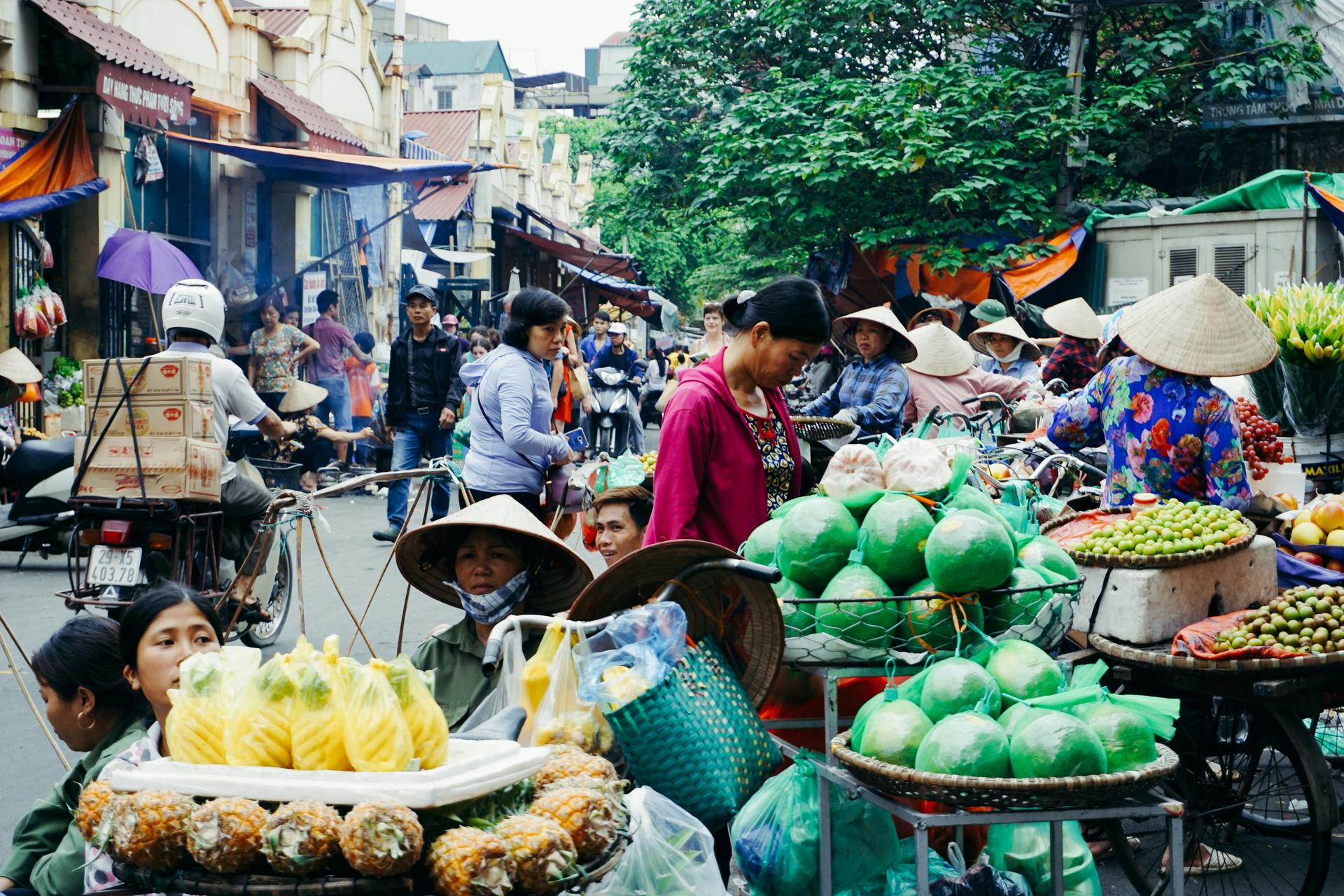


The steaming bowls of pho that once dominated Hanoi's culinary scene are being overshadowed by the garish glow of quick-service restaurant chains, casting a shadow over the city's heritage as the rapid expansion of QSRs redraws its gastronomic picture.
Market Size to Reach USD 45.21 Billion by 2031
Vietnam's quick-service restaurant (QSR) sector is projected to experience significant growth, with the market size expected to reach USD 45.21 billion by 2031. This expansion is attributed to the increasing urbanization and rising disposable incomes among Vietnamese consumers, which are driving the demand for convenient and affordable dining options. The growing middle class, in particular, is more inclined towards dining out, thus contributing to the rapid growth of the QSR industry. The implication of this growth is that both local and international QSR chains are likely to benefit from the expanding market, presenting lucrative opportunities for investment and expansion.
The Vietnamese QSR market's growth trajectory is also supported by the country's economic development. With a GDP growth rate that has been robust over the past decade, Vietnam has been an attractive destination for foreign direct investment. This influx of capital, coupled with the government's efforts to improve the business environment, has facilitated the entry and expansion of QSR chains. The Ministry of Finance noted that the ease of doing business in Vietnam has been steadily improving, which bodes well for the QSR sector's growth prospects.
Moreover, the Vietnamese QSR market is characterized by a diverse range of offerings, catering to various tastes and preferences. This diversity is a result of the country's rich culinary heritage combined with the influence of global food trends. The presence of both local chains, which offer traditional Vietnamese dishes with a modern twist, and foreign brands, which introduce international cuisine, creates a competitive landscape that drives innovation and quality. This competitive environment is expected to further stimulate market growth, as it encourages QSR chains to differentiate themselves and cater to the evolving tastes of consumers.
Lastly, the QSR sector in Vietnam is also poised to benefit from technological advancements and digitalization. The increasing penetration of smartphones and internet access has led to a surge in online food delivery services, which has become an integral part of the QSR industry. This trend is expected to continue, as more consumers opt for the convenience of ordering food online. The digital transformation of the QSR sector not only enhances customer experience but also opens up new avenues for revenue growth, further contributing to the market's expansion.
Fast-Food Industry Growth at 5.65% CAGR
The Vietnamese fast-food industry is projected to experience a robust growth rate, with a compound annual growth rate (CAGR) of 5.65% through 2026, as per Bloomberg. This growth is attributed to the increasing urbanization and changing consumer preferences towards convenience and quick-service options. The rising disposable incomes among the Vietnamese middle class have also contributed to the demand for fast food, which is often perceived as a more affordable luxury compared to full-service dining. This trend implies a significant expansion opportunity for both local and international quick-service restaurant chains looking to capitalize on the growing market.
The growth in the fast-food sector is not only confined to the urban centers but is also spreading to smaller cities and towns, indicating a broader market penetration. This geographical expansion is facilitated by the improving logistics and supply chain infrastructure, which allows for the efficient distribution of ingredients and the establishment of new outlets. The implication of this widespread growth is that the competitive landscape of the fast-food industry in Vietnam is becoming more diverse, with both local and foreign brands vying for market share.
Another factor contributing to the 5.65% CAGR is the increasing influence of global food trends on Vietnamese consumers. The popularity of international cuisines, especially Western fast food, has been on the rise, which has prompted both domestic and foreign chains to adapt their menus to cater to these tastes. This adaptation has not only attracted a new customer base but also increased the frequency of visits, as consumers seek variety and familiarity in their dining experiences. The trend towards global cuisines suggests that the fast-food industry in Vietnam is becoming more integrated with international food culture, offering a wider range of options to consumers.
The growth of the fast-food industry also presents challenges, particularly in terms of maintaining food safety and quality standards. As the industry expands, there is an increased need for stringent regulations and adherence to international standards to ensure consumer trust. The Ministry of Health has been actively involved in setting and enforcing food safety regulations, which is crucial for the industry's sustainable growth. The implication of these regulations is that fast-food chains, both local and foreign, must invest in training, technology, and processes to meet these standards, which could impact their operational costs and strategies.
KFC's Expansion Leading the Charge
KFC's aggressive expansion strategy in Vietnam is a testament to the brand's confidence in the country's quick-service restaurant (QSR) market. KFC has opened more than 200 branches in Vietnam, making it one of the fastest-growing foreign QSR chains in the country, per Bloomberg. This rapid expansion is indicative of the brand's ability to adapt to local tastes and preferences, offering a menu that includes both classic KFC items and locally inspired dishes. The implication is that KFC's success could encourage other foreign QSR brands to follow suit, further intensifying competition in the market.
The brand's expansion has not only been about increasing the number of outlets but also about strategic placement. KFC has been focusing on high-traffic areas such as shopping malls and busy streets, ensuring high visibility and accessibility for consumers. This approach has allowed KFC to tap into the growing middle class in Vietnam, who are more inclined to spend on dining out, according to a report by the Ministry of Finance. The strategic placement of outlets suggests that KFC is well-positioned to capture a significant share of the QSR market, which is expected to grow as disposable incomes rise.
KFC's expansion in Vietnam has also been supported by the brand's commitment to local sourcing and employment. The company has been investing in local suppliers and creating job opportunities, which aligns with the Vietnamese government's push for economic development and job creation. This not only strengthens KFC's position in the market but also contributes to the local economy, fostering a positive image for the brand among Vietnamese consumers.
Lastly, KFC's expansion in Vietnam is a reflection of the broader trend of foreign QSR chains entering the market. The success of KFC and other foreign brands in adapting to local tastes and preferences has set a precedent for other international QSR chains looking to enter the Vietnamese market. This trend is expected to continue, with more foreign QSR brands likely to follow KFC's lead, further shaping the competitive landscape of Vietnam's QSR industry.
International Chains Dominating Food Service Coverage
International quick-service restaurant (QSR) chains have been making significant inroads into Vietnam, with their expansion being a key driver of the country's food service market growth. The presence of these global brands is not only reshaping consumer preferences but also raising the competitive bar for local players. According to a recent report by VASEP, the number of international QSR outlets in Vietnam has seen a substantial increase, with major brands like KFC and McDonald's leading the charge. This expansion is set to continue, with these chains targeting both urban and suburban areas to tap into the growing middle class and their increasing disposable income.
The dominance of international chains in Vietnam's QSR sector is also evident in their market share. "International QSR chains currently hold over 50% of the market share in Vietnam's food service industry," as per a study by the Ministry of Finance. This high market penetration is a testament to the appeal of these brands, which offer a mix of global and local flavors, standardized quality, and efficient service. The success of these chains has implications for local businesses, which may struggle to compete in terms of brand recognition and economies of scale.
Moreover, the aggressive expansion of international QSR chains in Vietnam is not limited to the major cities. These brands are actively seeking opportunities in smaller cities and towns, which are experiencing rapid urbanization and economic growth. "International QSR chains are expected to expand their presence in second and third-tier cities by 2026," according to a report by Bloomberg. This move is strategic, as it allows them to reach a wider customer base and capitalize on the untapped potential of these emerging markets.
The influence of international QSR chains extends beyond their physical presence in Vietnam. They are also contributing to the evolution of the country's food service industry by introducing new concepts and technologies. For instance, many of these chains are adopting digital payment systems and implementing advanced supply chain management practices. "The integration of technology in QSR operations is expected to increase efficiency and customer satisfaction," as noted by a report from the Ministry of Industry and Trade. This technological advancement not only benefits the chains themselves but also sets a precedent for local businesses to follow, thereby raising the overall standards of the industry.
Vietnamese Consumers' Fast-Food Spending at USD 5.15 per Visit
Vietnamese consumers' spending per visit to quick-service restaurants (QSR) averages at USD 5.15, a figure that reflects the country's growing appetite for fast food. This spending level is indicative of the affordability and accessibility of fast food options in Vietnam, which is a crucial factor in the rapid expansion of the QSR sector. The affordability of fast food in Vietnam, when compared to other Southeast Asian countries, suggests a competitive edge for local and foreign QSR chains looking to capture market share. The low spending per visit could also imply that there is room for growth in terms of average transaction value, as consumers become more accustomed to QSR dining and as the market matures.
The USD 5.15 average spend per visit also highlights the potential for QSR chains to upsell and introduce more premium offerings. With the current spending level, there is a significant opportunity for brands to increase their average revenue per customer by introducing higher-priced menu items or by promoting add-ons and upselling strategies. This approach could be particularly effective for foreign brands entering the Vietnamese market, as they can leverage their global brand recognition to offer premium products at a higher price point, thus increasing their profitability in the market.
The spending pattern of USD 5.15 per visit also provides insights into the consumer behavior within the QSR segment in Vietnam. It suggests that the market is price-sensitive, which could influence the pricing strategies of both local and foreign QSR chains. To remain competitive, these chains may need to focus on cost optimization and value propositions that resonate with the local consumer's budget constraints. This could involve offering combo meals, discounts, or loyalty programs that incentivize repeat visits without significantly increasing the cost per visit.
Lastly, the USD 5.15 spending figure underscores the importance of understanding the local palate and preferences in Vietnam. QSR chains that can successfully cater to local tastes while maintaining the efficiency and convenience of fast food are likely to see greater success. This spending level suggests that there is a balance to be struck between affordability and the quality of the dining experience, which is a key consideration for QSR chains looking to expand their footprint in Vietnam. Foreign brands, in particular, will need to adapt their menus and offerings to align with local preferences while maintaining the speed and convenience that define the QSR segment.
Food Service Industry Growth at 8.5% CAGR from 2022 to 2027
Vietnam's food service industry is projected to experience a compound annual growth rate (CAGR) of 8.5% from 2022 to 2027, a significant indicator of the sector's robust expansion. This growth is underpinned by a rising middle class and increasing urbanization, which are driving consumer demand for diverse dining options. The expansion of both local and foreign quick-service restaurant chains is a direct response to these market dynamics, as they cater to the evolving tastes and convenience needs of the Vietnamese population. The growth trajectory suggests a substantial opportunity for investors looking at the food service sector, as it aligns with broader economic trends and consumer behavior shifts.
The increasing preference for quick-service restaurants among Vietnamese consumers is a notable trend, especially among younger demographics. This preference is driven by factors such as time constraints, convenience, and the appeal of international flavors, which are often associated with modernity and status. The rapid expansion of both local and foreign chains is a strategic move to capitalize on this trend, indicating a competitive landscape where brands vie for market share by offering a mix of traditional and innovative food options. The success of these chains will likely depend on their ability to adapt to local tastes while maintaining the efficiency and affordability that quick-service restaurants are known for.
The growth of the food service industry is also influenced by Vietnam's improving economic conditions, which have led to higher disposable incomes and a greater willingness to spend on dining out. This economic backdrop has created a fertile environment for the quick-service restaurant sector to flourish, as consumers seek more varied and convenient food options. The 8.5% CAGR reflects the industry's ability to tap into this growing consumer base, suggesting that the sector is well-positioned to benefit from Vietnam's ongoing economic development.
Lastly, the food service industry's growth is not only a reflection of changing consumer preferences but also an indicator of the country's broader economic and social transformation. As Vietnam continues to urbanize and modernize, the demand for quick-service restaurants is expected to rise, further fueling the industry's expansion. This growth presents an opportunity for both local and international investors to participate in a sector that is integral to Vietnam's evolving food culture and economic landscape. The 8.5% CAGR highlights the potential for significant returns for those who can successfully navigate the competitive and dynamic nature of Vietnam's food service market.
The projected 8.5% CAGR for Vietnam's quick-service restaurant sector through 2026 not only signals robust growth but also underscores the sector's pivotal role in the nation's economic trajectory. As urbanization and modernization progress, the demand for convenient and varied food options is anticipated to escalate, presenting a lucrative investment avenue. Investors keen on capitalizing on this trend must consider the dynamic nature of the market, which offers a fertile ground for both local chains and foreign brands to expand their footprint.
The anticipated growth in Vietnam's quick-service restaurant industry implies a significant opportunity for investment returns. The sector's expansion is poised to mirror the country's broader economic and social development, making it a compelling sector for investment. the market suggests be attentive to the evolving consumer preferences and the competitive landscape, as these factors will shape the industry's trajectory and potential for success.