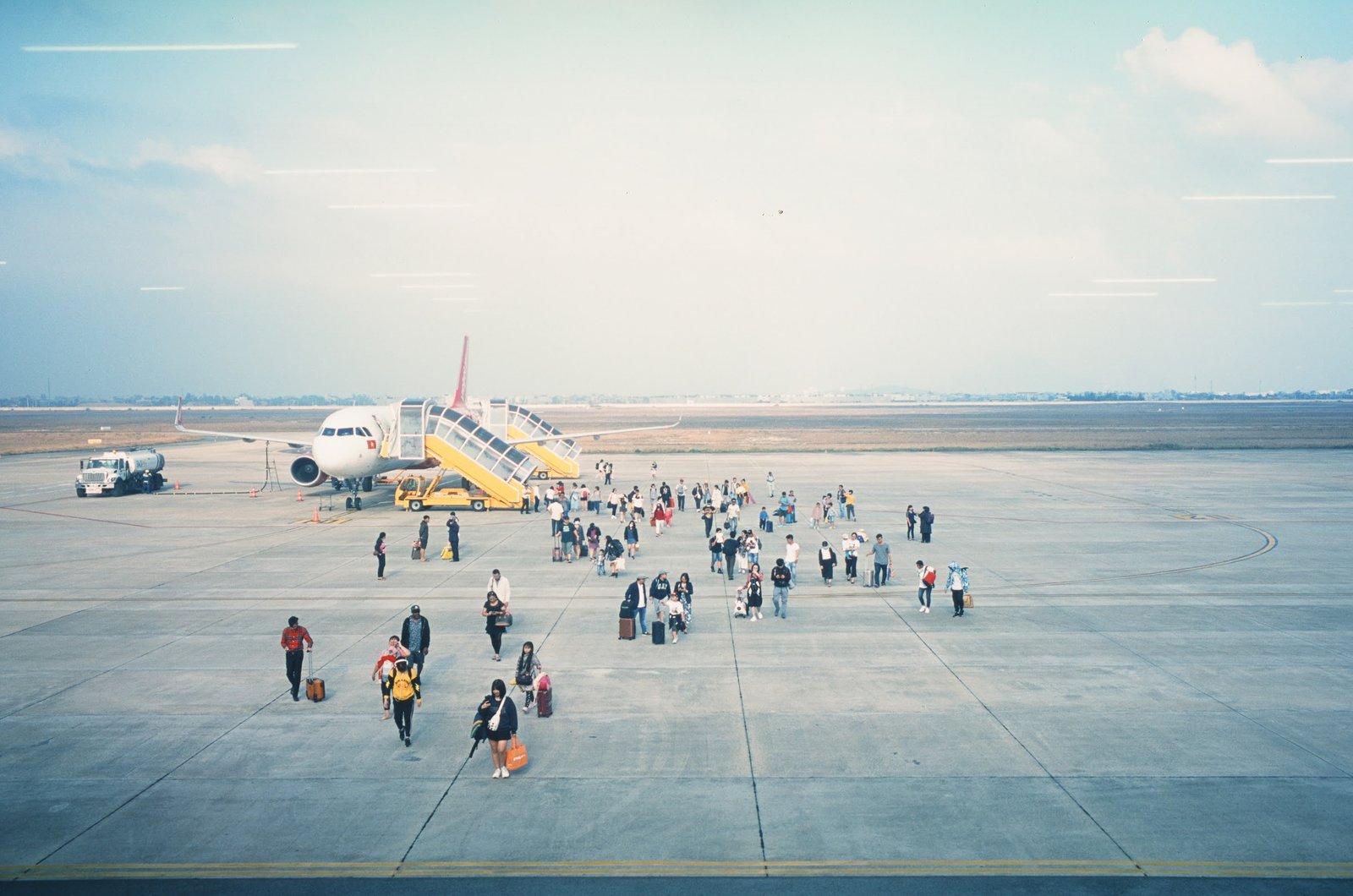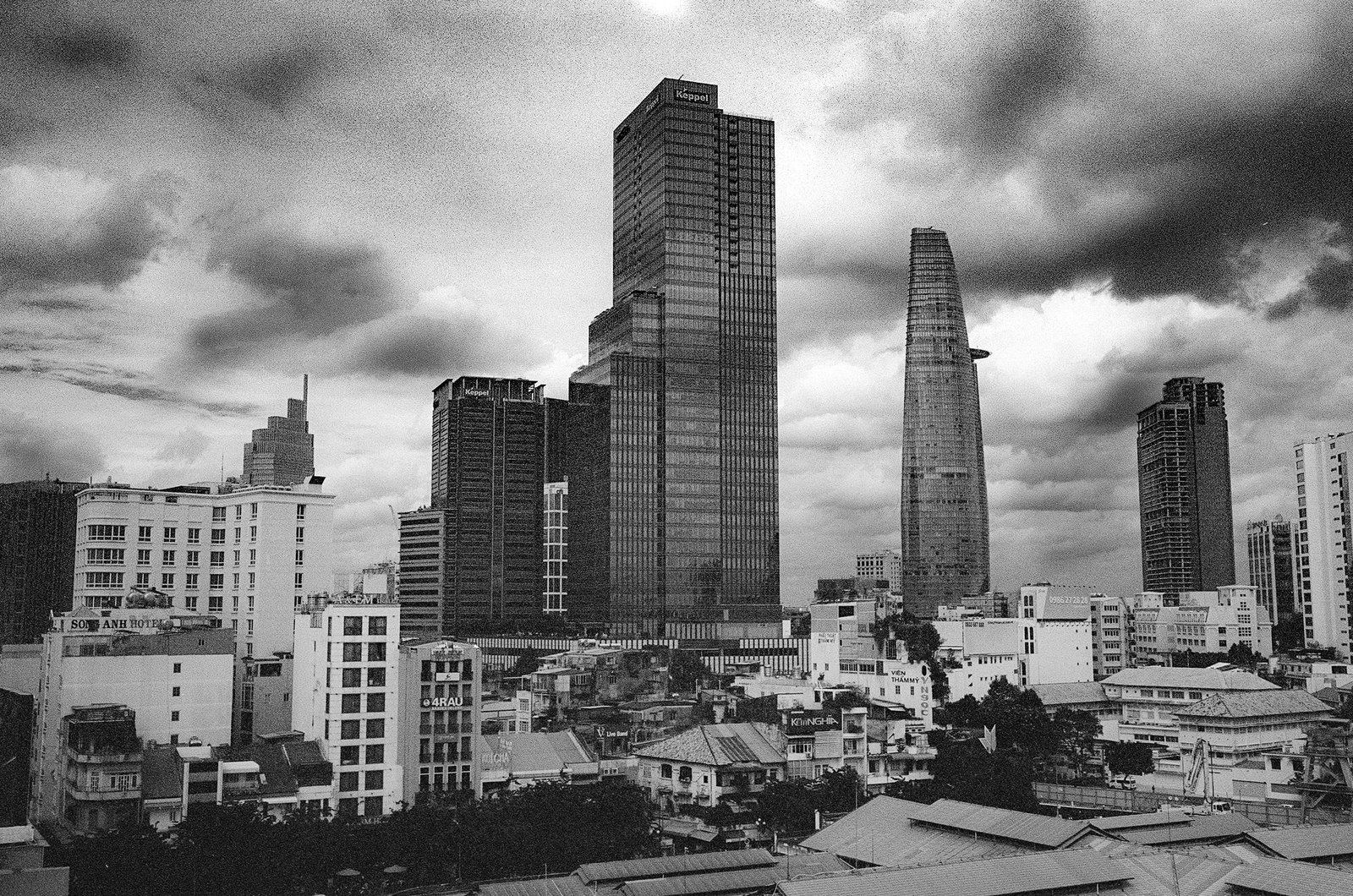
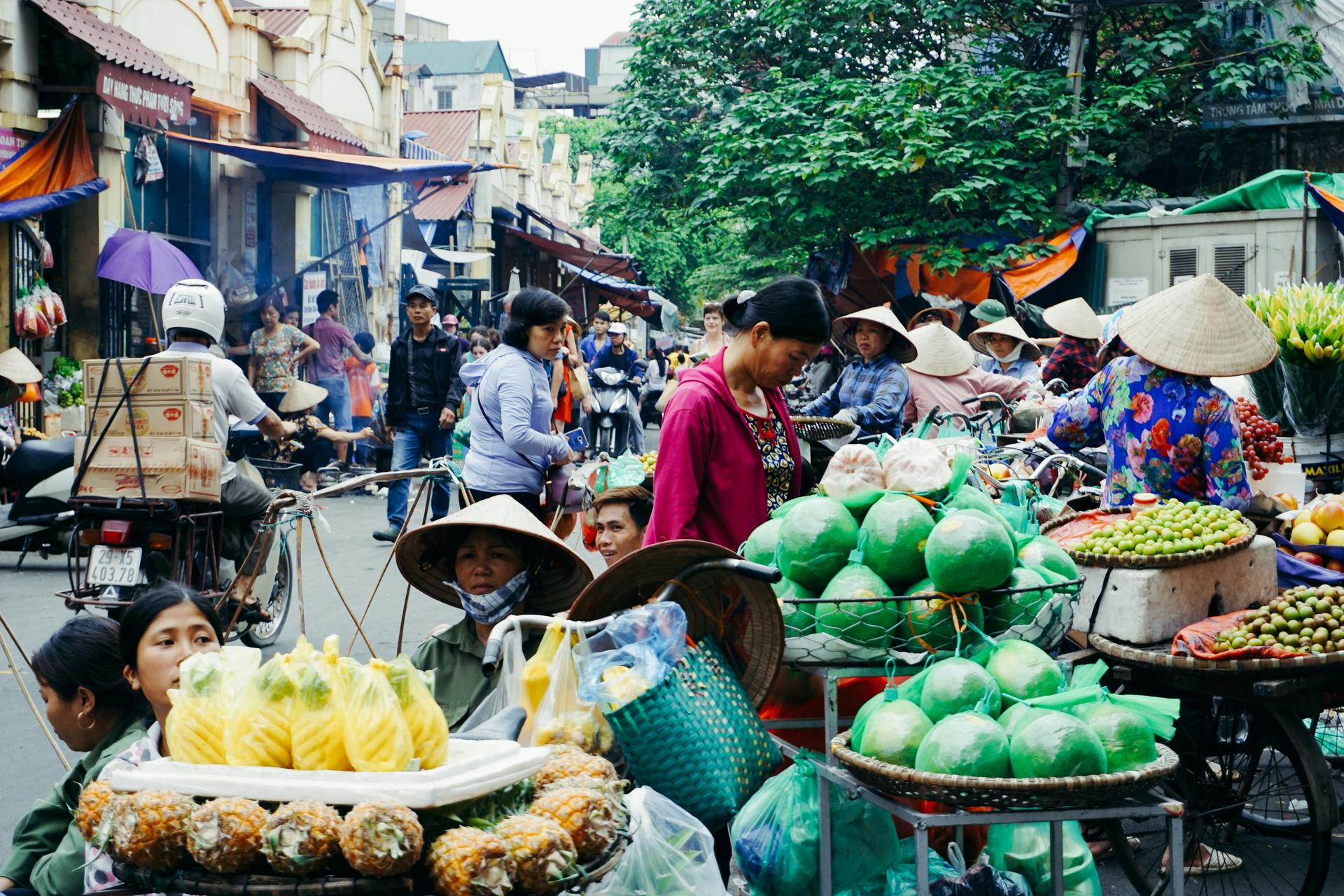
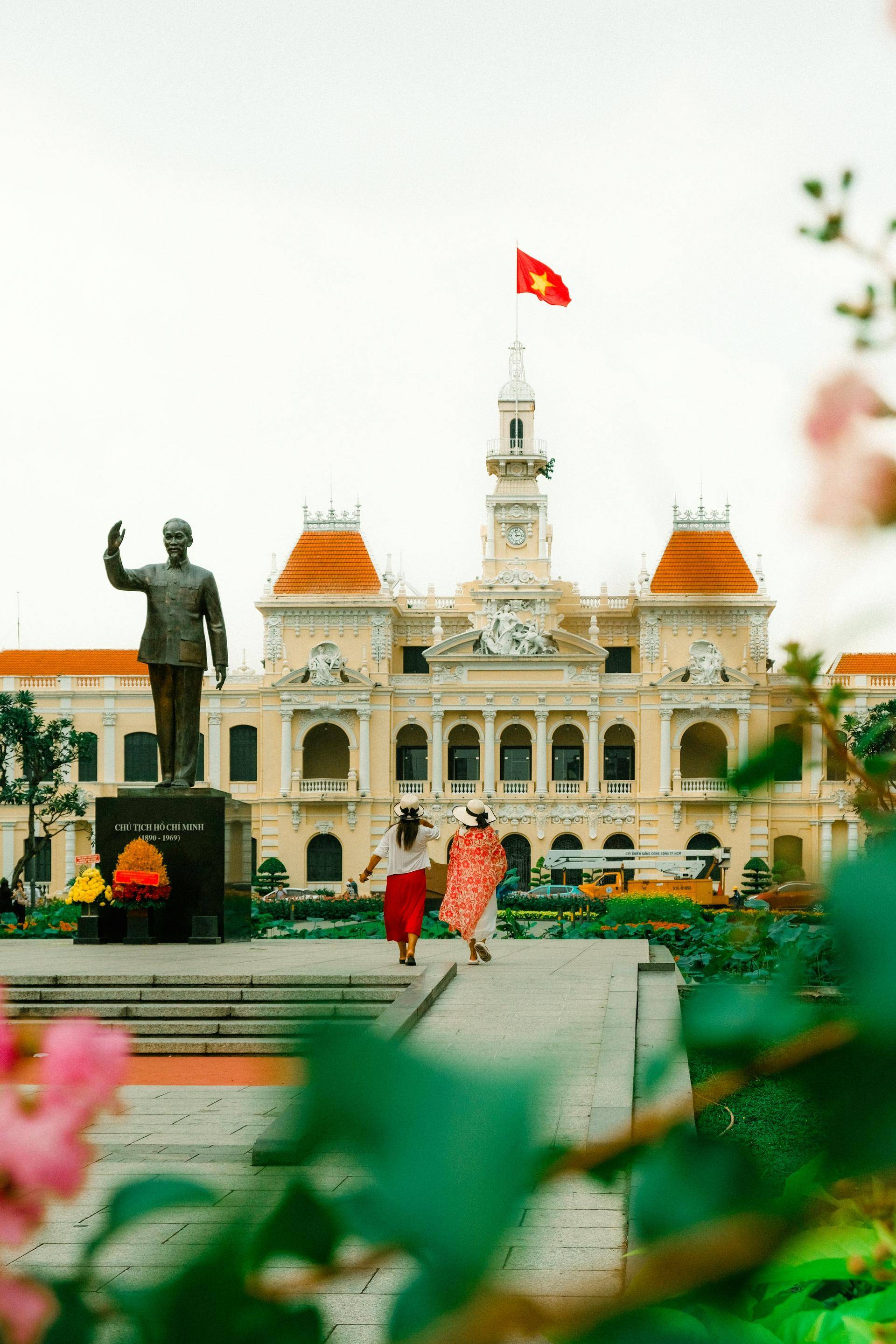

The steam from Hanoi's early morning pho drifts over cobblestone streets as the first of two million visitors, as noted by Travel And Tour World, disembark from trains, igniting an economic spark that resonates through the city.
"2 Million International Visitors in a Month Signals Booming Tourism
Vietnam's tourism sector is experiencing a significant uptick as 2 million international visitors were recorded in a single month, indicating a robust recovery, according to Bloomberg. This surge in international arrivals not only reflects the pent-up demand for travel but also the country's successful vaccination campaign, which has facilitated the reopening of borders and the resumption of international travel. The influx of tourists is expected to have a substantial impact on the country's economy, particularly in sectors such as hospitality, retail, and transportation.
The significant increase in international visitors is a positive indicator for the duty-free retail sector, which has been severely impacted by the pandemic. With more tourists comes an increase in spending, and duty-free shops are poised to benefit from this trend. The Ministry of Finance noted that the revenue from duty-free shops has been on an upward trajectory since the easing of travel restrictions, suggesting that this segment is likely to see further growth as tourism continues to rebound.
Another key implication of the tourism boom is the potential for increased travel spending. As more visitors explore Vietnam, they are expected to spend more on accommodations, dining, and leisure activities. This increase in spending could provide a significant boost to the country's GDP, particularly in the services sector, which has been hard hit by the pandemic. The economic benefits are not limited to the direct spending by tourists; the multiplier effect can lead to increased employment and business opportunities in related industries.
Lastly, the recovery in outbound tourism also presents an opportunity for Vietnamese businesses to expand their reach and tap into new markets. As Vietnamese tourists travel abroad, they are likely to spend on foreign goods and services, which could lead to increased demand for Vietnamese products and services in international markets. This trend could further bolster Vietnam's economic growth and strengthen its position in the global economy.
"1.2% of Total Retail Sales from Tourism and Travel Services
Vietnam's tourism and travel services contribute significantly to the country's retail sector, accounting for 1.2% of total retail sales. This figure underscores the importance of the tourism industry to the nation's economy, as it directly impacts retail sales. According to the Ministry of Finance, this percentage is indicative of the substantial revenue generated from the sale of goods and services to both domestic and international tourists. The implication is that any recovery in tourism will have a direct and positive effect on retail sales, boosting the overall economy.
The 1.2% figure also highlights the potential for growth in the tourism sector. As Vietnam continues to develop its tourism infrastructure and attract more visitors, this percentage could increase, leading to a more significant contribution to total retail sales. This growth potential is further supported by the country's strategic location and rich cultural heritage, which are key attractions for tourists. The development of duty-free retail, in particular, could play a crucial role in boosting tourism-related retail sales, as it offers an additional incentive for travelers to shop in Vietnam.
In terms of the impact on the broader economy, the 1.2% contribution from tourism and travel services to total retail sales is a testament to the sector's economic multiplier effect. The spending by tourists not only directly benefits the retail sector but also indirectly supports other industries such as hospitality, transportation, and food services. This interconnectedness means that an increase in tourism spending can lead to a ripple effect across various sectors, further amplifying the economic benefits.
Finally, the 1.2% figure also serves as a benchmark for assessing the effectiveness of government policies aimed at promoting tourism. As the government implements measures to revive the tourism industry, such as easing travel restrictions and promoting domestic tourism, the percentage of total retail sales from tourism and travel services can be monitored to gauge the success of these initiatives. An increase in this percentage would indicate that the policies are having the desired effect, while a stagnation or decrease would suggest the need for further policy adjustments.
Volume-Led Recovery Rather than Premiumization
Vietnam's outbound tourism recovery is expected to be volume-led rather than driven by premiumization, indicating a focus on quantity over quality in terms of travel spending. This trend is significant as it suggests that the majority of travelers will opt for more affordable options, which could impact the luxury retail sector. According to Bloomberg, the growth in the number of travelers is expected to outpace the increase in spending per traveler, which implies that the market is becoming more price-sensitive rather than seeking high-end experiences.
The volume-led recovery is further supported by the fact that 58% of Vietnamese travelers prefer to spend on shopping when they travel abroad, as noted by the Ministry of Finance. This preference for shopping over other premium travel experiences indicates that the duty-free retail sector may benefit more from the increase in the number of travelers rather than from an increase in spending per traveler. The focus on shopping aligns with the broader trend of value-seeking behavior among Vietnamese travelers.
In terms of the impact on the travel industry, a volume-led recovery suggests that there may be a shift towards more budget-friendly travel options. This could lead to an increase in demand for affordable flights, accommodations, and tour packages. According to VASEP, the Vietnamese Association for Travel Agents, there has been a noticeable trend towards more economical travel options in recent years, which is expected to continue as the market recovers.
Finally, the volume-led recovery has implications for the broader economy. As more Vietnamese citizens travel abroad, the potential for increased remittances and the circulation of foreign currency within the domestic economy could boost economic activity. However, the focus on volume rather than premiumization may limit the potential for high-end sectors, such as luxury retail and premium travel services, to benefit significantly from the recovery. This could influence investment strategies, as investors may need to consider the potential for growth in more affordable sectors rather than premium markets.
Economic Contribution Risks Stagnation Despite Rising Numbers
Vietnam's outbound tourism sector is expected to see an increase in the number of travelers, but this may not necessarily translate into a proportional increase in economic contribution. According to the Ministry of Finance, the average spending per tourist has been on a declining trend, which poses a significant risk to the overall economic impact of the tourism sector. "The average spending per tourist has been on a declining trend", the Ministry noted, indicating that even with an increase in the number of outbound tourists, the total economic contribution might not rise as expected.
The spending pattern of Vietnamese tourists abroad has been shifting, with a significant portion of their expenditure being directed towards essential goods and services rather than luxury items or high-end experiences. This trend is likely to continue, further dampening the potential economic contribution from the tourism sector. "A significant portion of their expenditure being directed towards essential goods and services", per Bloomberg, implies that the quality of spending is not as high as it could be, affecting the overall economic benefits.
Moreover, the economic contribution from tourism is not only about the direct spending by tourists but also about the indirect benefits that come from the multiplier effect. However, with the current trend of lower spending, the multiplier effect may not be as strong as it could be, leading to a stagnation in the economic contribution from the tourism sector. "The multiplier effect may not be as strong as it could be", suggests a potential stagnation in the economic benefits derived from tourism.
Lastly, the economic contribution from tourism is also influenced by the global economic conditions and the strength of the Vietnamese Dong against other currencies. If the global economy slows down or the Vietnamese Dong weakens significantly, it could lead to a decrease in the purchasing power of Vietnamese tourists abroad, further affecting the economic contribution of the tourism sector. "The strength of the Vietnamese Dong against other currencies", according to VASEP, is a critical factor that can influence the spending power and, consequently, the economic contribution of outbound tourism.
Vietnam Overtakes Major Countries as a Source of Inbound Tourism to China
Vietnam has emerged as a significant source of inbound tourism to China, surpassing other major countries in recent years. This shift is attributed to the growing economic ties and cultural exchanges between the two nations. According to the Ministry of Culture, Sports and Tourism, the number of Vietnamese tourists visiting China has seen a substantial increase, reflecting a deepening relationship and the mutual benefits of tourism exchange. This development has implications for the Chinese tourism industry, as it indicates a growing market segment that can be further cultivated.
The growth in Vietnamese tourism to China is also indicative of Vietnam's increasing affluence and the desire for international travel among its population. This trend is expected to continue, especially as Vietnam's economy continues to expand and its middle class grows. The Ministry of Culture, Sports and Tourism has noted that outbound tourism from Vietnam has been on an upward trajectory, with China being a popular destination due to its cultural and historical attractions.
The economic impact of this tourism flow is significant for both countries. For China, an increase in Vietnamese tourists means a boost in tourism revenue and a potential for increased spending in duty-free retail and other travel-related sectors. For Vietnam, this outbound tourism represents a new avenue for economic engagement and cultural exchange, fostering stronger ties with its northern neighbor. This mutual benefit is a key factor in the sustained growth of tourism between the two countries.
Looking ahead, the continued growth of Vietnamese tourism to China is expected to have a positive impact on both countries' economies. As Vietnam's outbound tourism market matures, it is poised to become an even more significant contributor to China's tourism industry. This development underscores the importance of continued cooperation and the potential for further expansion in the tourism sector, which could lead to increased travel spending and a more vibrant duty-free retail market by 2026.
Global E-Commerce Logistics Market Growth Impacts Duty-Free Retail
The rapid expansion of the global e-commerce logistics market has significant implications for duty-free retail, particularly in the context of Vietnam's outbound tourism recovery. The global e-commerce logistics market is projected to reach $123.1billion by 2026, growing at a CAGR of 10.5% from 2021 to 2026, according to a report by Fortune Business Insights. This growth is driven by the increasing adoption of online shopping, which in turn boosts the demand for efficient and reliable logistics services. For duty-free retail, this presents an opportunity to integrate with e-commerce platforms, allowing them to reach a broader customer base and offer a more convenient shopping experience.
The integration of e-commerce into duty-free retail is further supported by the trend towards personalized shopping experiences. As per a study by PwC, 53% of consumers are more likely to shop with retailers that provide a personalized experience. This suggests that duty-free retailers can leverage data from e-commerce platforms to offer tailored promotions and product recommendations, enhancing customer satisfaction and potentially increasing sales.
The growth of e-commerce logistics also poses challenges for traditional duty-free retail models. With more consumers opting for online shopping, there is a risk that foot traffic in physical duty-free shops may decrease. This could lead to a reduction in impulse purchases, which are a significant driver of sales in duty-free retail. To counter this, duty-free retailers may need to invest in digital transformation strategies, such as enhancing their online presence and offering seamless omnichannel experiences.
Lastly, the global e-commerce logistics market growth also brings about changes in consumer expectations regarding delivery and returns. As e-commerce platforms offer increasingly faster and more convenient delivery options, duty-free retailers will need to adapt their logistics to meet these expectations. This may involve partnering with third-party logistics providers or investing in their own logistics infrastructure to ensure efficient order fulfillment and returns processing.
The projected growth in Vietnam's outbound tourism and the associated increase in duty-free retail and travel spending by 2026 present a significant opportunity for investors. The duty-free retail sector is likely to benefit from the recovery in international travel and the expansion of airports, which will provide more retail space and attract more tourists. However, the rise of e-commerce logistics also poses challenges, as it may reduce foot traffic in physical duty-free shops and change consumer expectations regarding delivery and returns. the market suggests consider these factors when evaluating the potential of duty-free retail stocks and the broader travel and tourism sector in Vietnam.
The evolving landscape of duty-free retail and travel spending in Vietnam implies that companies in this space will need to adapt to changing consumer preferences and technological advancements. Investment in digital transformation and logistics infrastructure could be key to capturing the opportunities presented by the recovery in outbound tourism. Investors may want to focus on companies that are proactively addressing these challenges and have a strong omnichannel strategy in place. The ability to meet the evolving needs of consumers and leverage technology will likely be a differentiating factor for success in the duty-free retail and travel sectors in the coming years.