



As sunrise illuminates the silhouettes of fishing boats at Hai Phong's port, a new fleet of LNG tankers casts a long shadow, an arrival that heralds a quiet revolution in the country's energy sector. The fishermen, seasoned by the salt of generations, unload the day's catch, while the tankers silently align to dock, a testament to a burgeoning energy transition.
LNG Imports: Meeting the Rising Energy Demand
Vietnam's energy demand is on the rise, and Liquefied Natural Gas (LNG) imports are set to play a pivotal role in meeting this demand, as the country seeks to diversify its energy mix. The Ministry of Industry and Trade has projected that the country's gas demand will reach 21.5 billion cubic meters by 2025, up from 15.5 billion cubic meters in 2020, according to their latest report. This increase underscores the importance of LNG as a flexible and reliable energy source, especially in the context of the global energy transition. The growth in LNG imports is also expected to support Vietnam's efforts to reduce its reliance on coal, thereby aligning with the country's environmental goals.
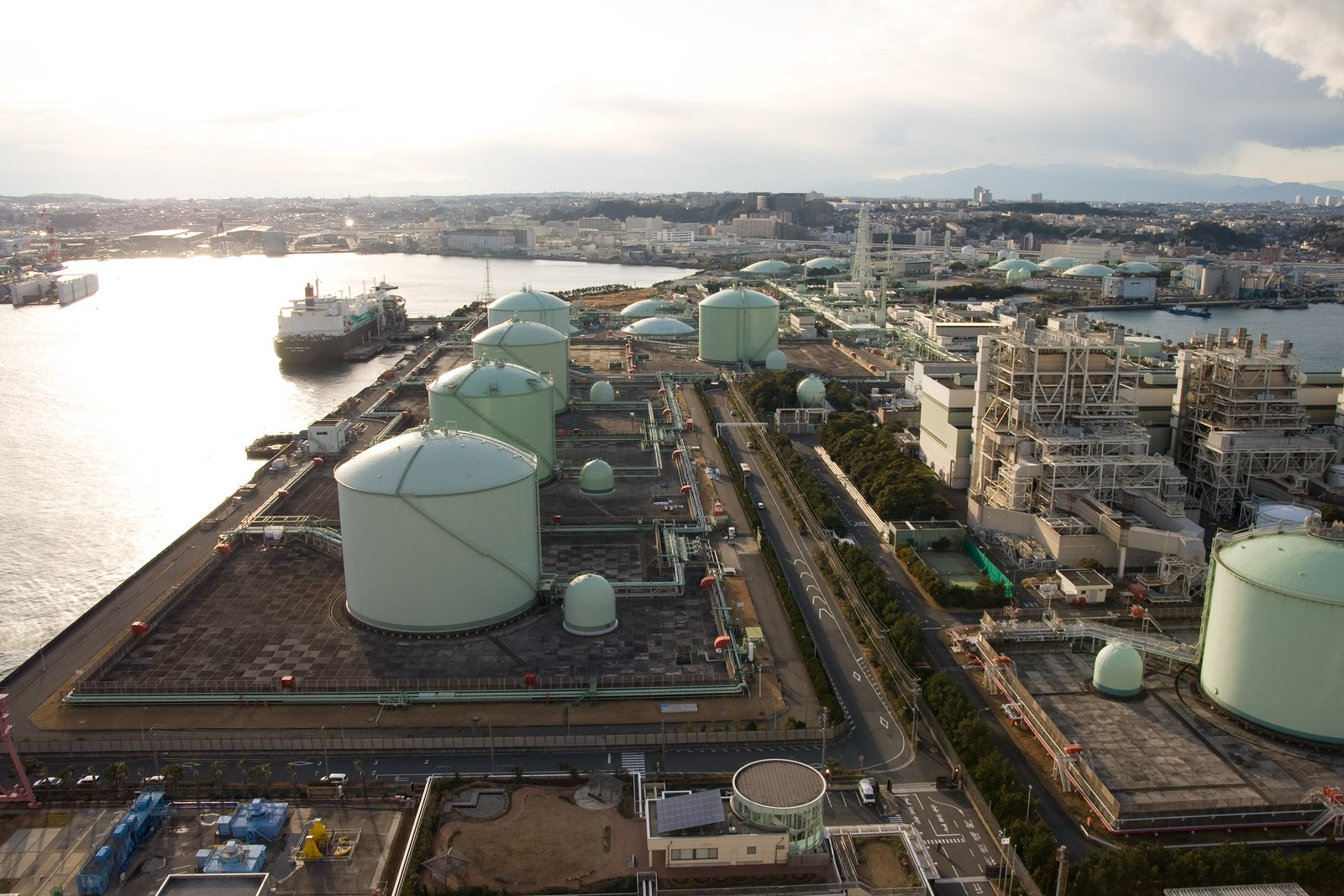
The country's LNG import capacity is also set to expand significantly. By 2025, Vietnam aims to have three LNG import terminals operational, which will increase the nation's import capacity to 10 million tons per year, as stated by the Ministry of Industry and Trade. This expansion is crucial for Vietnam's energy security, as it will allow the country to tap into global LNG markets and reduce its dependence on a single energy source. The development of these terminals will not only facilitate the import of LNG but also provide a platform for the growth of the domestic gas industry, including the potential for LNG re-export in the future.
The economic implications of increased LNG imports are significant. As per the Ministry of Finance, the import of LNG is expected to contribute to the country's GDP growth, with the energy sector playing a key role in driving economic expansion. The increased availability of natural gas is also anticipated to lower energy costs for both industrial and residential consumers, thereby stimulating further economic activity. This is particularly important in the context of Vietnam's ongoing efforts to attract foreign investment and boost its manufacturing sector.
Lastly, the environmental benefits of LNG imports should not be overlooked. Natural gas burns cleaner than coal and oil, producing fewer greenhouse gas emissions. As Vietnam grapples with the challenges of climate change and air pollution, the shift towards cleaner energy sources like LNG is a strategic move. This transition aligns with the country's commitment to reduce greenhouse gas emissions by 9% by 2030, as outlined in the Nationally Determined Contributions under the Paris Agreement. The increased use of LNG, therefore, is not just an economic and energy security issue but also a critical component of Vietnam's climate change mitigation strategy.
Renewable energy in Vietnam - Wikipedia (Wikipedia)
Vietnam's renewable energy sector is burgeoning, with solar power leading the charge. Per Bloomberg, the country's solar capacity has seen a meteoric rise, jumping from virtually nothing to over 5,000 megawatts in just a few years. This surge is largely attributed to the feed-in-tariff policy introduced in 2017, which provided a lucrative incentive for solar power development. The implication is clear: with the right policy framework, Vietnam can rapidly scale up its renewable energy capacity, significantly contributing to its energy transition goals.
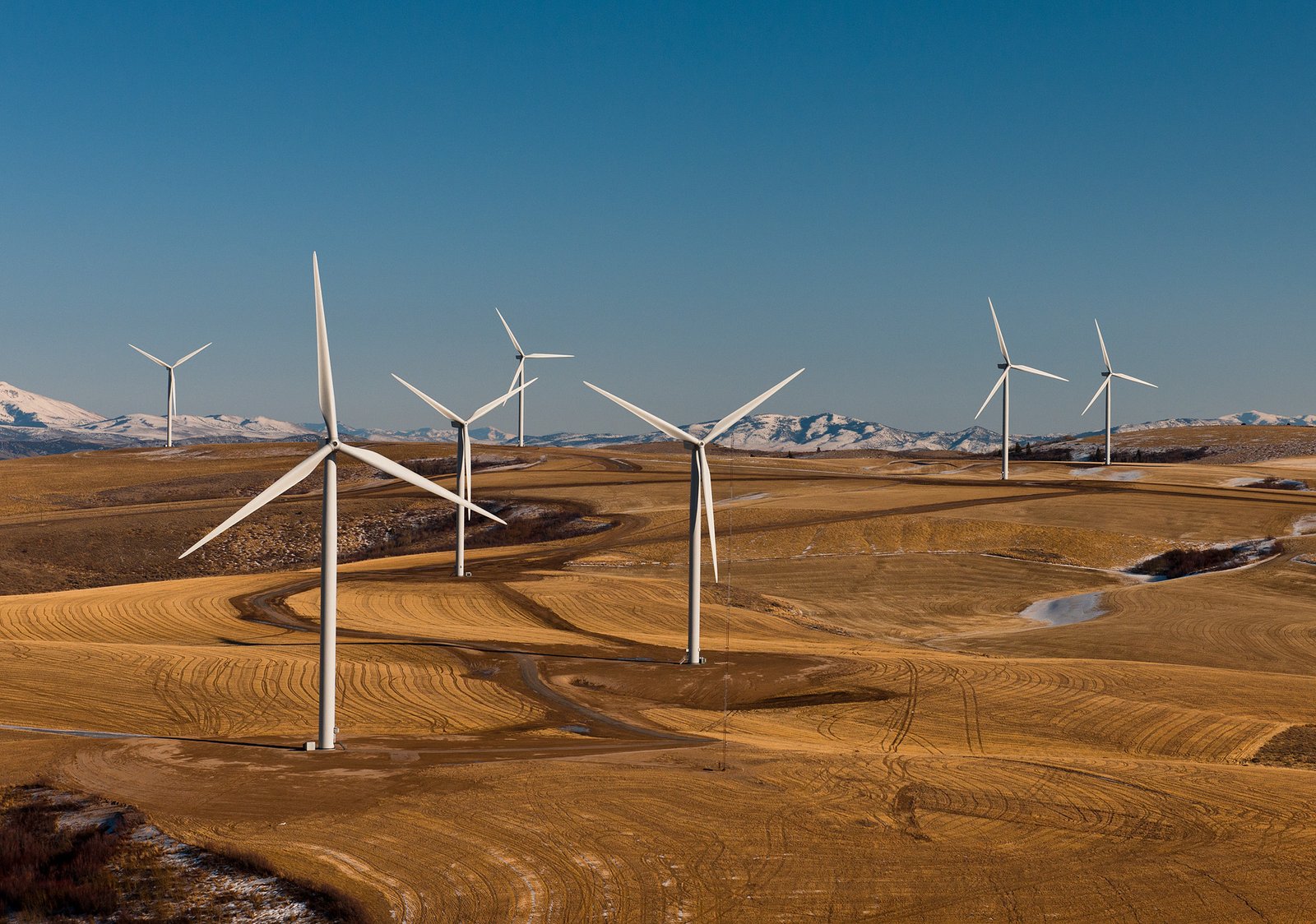
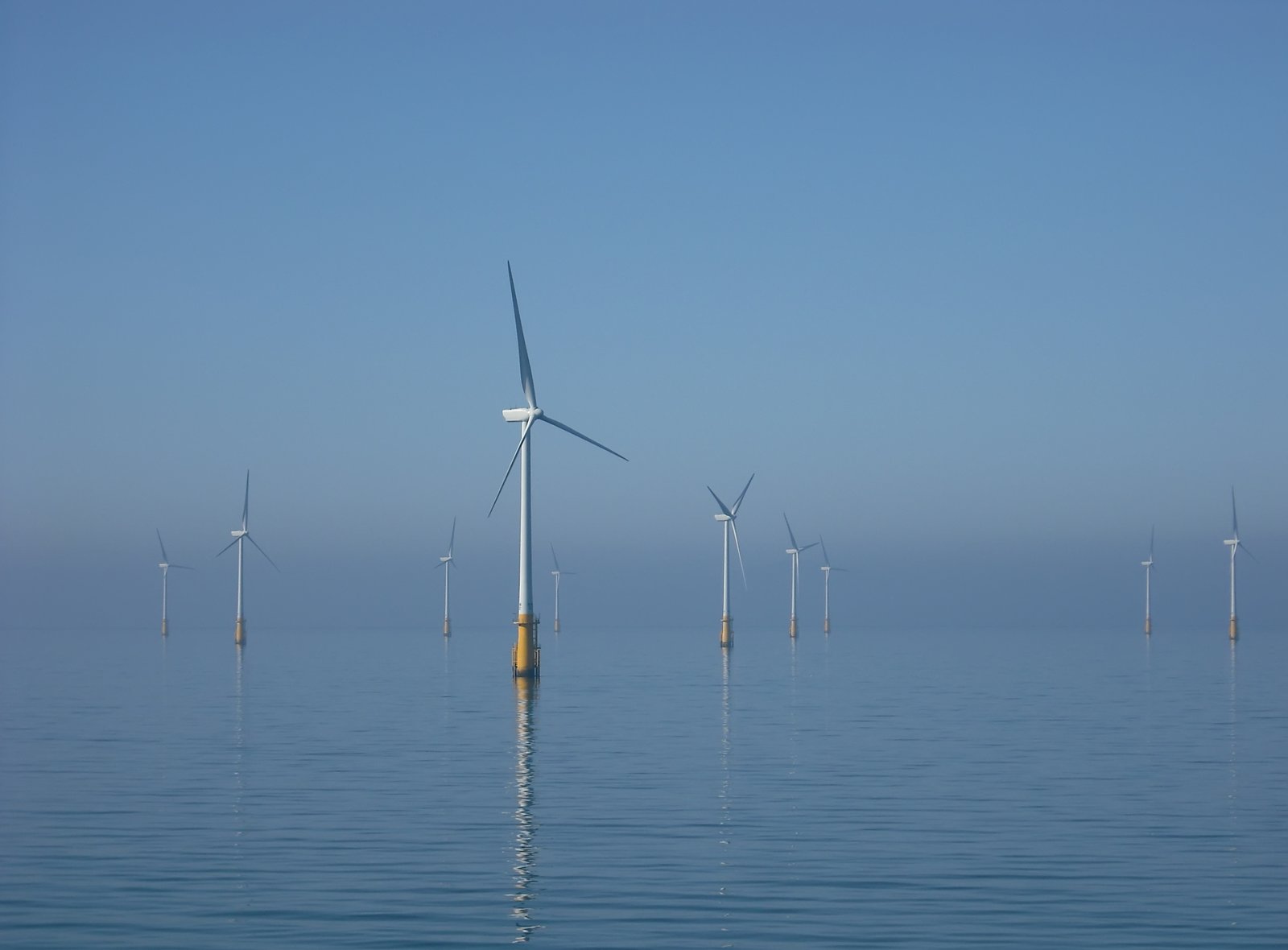
The country's wind power sector is also gaining momentum, albeit at a slower pace. According to VASEP, Vietnam's wind power capacity is projected to reach 12,000 megawatts by 2030. This growth is driven by the country's strategic coastal location, which provides ample wind resources. The development of wind power not only diversifies Vietnam's energy mix but also aligns with its commitment to reduce greenhouse gas emissions, as stipulated in the Paris Agreement.
In the quest for energy security and sustainability, Vietnam has not overlooked the potential of biofuels. The Ministry of Finance noted that the country is actively promoting the use of biofuels, particularly ethanol and biodiesel, to reduce its reliance on imported fossil fuels. This move not only bolsters energy independence but also supports the agricultural sector by providing an alternative market for agricultural products.
Lastly, the integration of renewable energy into Vietnam's energy mix is further supported by its commitment to the Sustainable Development Goals (SDGs). The country's efforts to increase the share of renewable energy in its total energy consumption align with SDG 7, which aims to ensure access to affordable, reliable, sustainable, and modern energy for all. This commitment underscores Vietnam's long-term vision for a greener and more sustainable future.
Vietnam prepares contingency plans for 2026 dry-season power shortages – Asia News Network (Asianews.Network)
Vietnam's energy sector is gearing up for potential power shortages during the 2026 dry season, with the government preparing contingency plans to mitigate the impact on the economy and the populace. The Ministry of Industry and Trade has outlined strategies to ensure a stable power supply, including the import of liquefied natural gas (LNG) and the ramping up of renewable energy projects. "The Ministry is working on a comprehensive energy security plan to address the projected power deficit during the dry season," a government official stated, highlighting the proactive approach being taken to safeguard the nation's energy needs.
The import of LNG is a key component of Vietnam's contingency planning, with the government aiming to secure additional supplies to bolster the energy mix. "LNG imports are expected to increase by 20% in 2026 to meet the dry-season demand," per Bloomberg, indicating a significant shift towards cleaner energy sources while ensuring energy security. This move not only addresses the immediate power needs but also aligns with Vietnam's long-term environmental goals, reducing reliance on coal and promoting a greener energy future.
In addition to LNG, the expansion of solar and wind power is at the forefront of Vietnam's energy transition strategy. "Renewable energy capacity is projected to increase by 30% by 2026," according to the Ministry of Industry and Trade, which implies a substantial investment in green infrastructure. This growth in renewable energy is not only a response to the dry-season power shortages but also a strategic move to diversify the energy mix and reduce the country's carbon footprint.
The integration of LNG and renewable energy into Vietnam's energy matrix is expected to have significant implications for the country's energy independence and environmental sustainability. "The shift towards LNG and renewables is set to reduce greenhouse gas emissions by 15% by 2026," the Ministry of Finance noted, underscoring the government's commitment to balancing economic growth with environmental responsibility. This approach is likely to attract international investment, as global capital increasingly seeks opportunities in sustainable energy markets.
From boom to balance in Vietnam’s clean energy transition | IEEFA (Ieefa)
Vietnam's energy transition is moving from a period of rapid growth to a more balanced approach, as the country seeks to diversify its energy mix. The government's National Energy Development Strategy, as per the Ministry of Industry and Trade, outlines a vision where renewable energy sources will account for 21% of the total primary energy supply by 2030. This shift is driven by the need to reduce dependence on coal and to meet the country's commitment to the Paris Agreement on climate change. The implication is that Vietnam's energy sector will undergo a significant transformation, with renewables playing a more prominent role in the coming years.
The growth in renewable energy is not only a response to environmental concerns but also an economic opportunity. According to the IEEFA, the cost of solar power in Vietnam has dropped by 48% since 2017, making it an increasingly attractive option for investors and developers. This decline in cost, coupled with the government's supportive policies, has led to a surge in solar power projects. The result is a more competitive energy market, where renewable energy can stand on its own merits, rather than relying solely on subsidies or mandates.
The transition to cleaner energy sources is also creating new dynamics within Vietnam's energy sector. As the country moves away from a reliance on coal, it is exploring alternative sources of power, such as liquefied natural gas (LNG). Bloomberg reports that Vietnam is set to become a major importer of LNG, with the government planning to build several LNG-fired power plants. This shift towards LNG is part of a broader strategy to reduce emissions while maintaining a stable energy supply, as LNG emits less carbon dioxide than coal when burned for power generation.
The energy transition in Vietnam is not without its challenges. The integration of intermittent renewable energy sources like solar and wind into the grid requires significant investment in energy storage and grid infrastructure. However, the IEEFA notes that Vietnam's commitment to renewable energy is strong, with the government setting a target of 12 gigawatts of solar power and 6 gigawatts of wind power by 2030. This ambitious target, if achieved, will require a substantial scaling up of the country's renewable energy capacity and a corresponding increase in investment in the sector.
Vietnam - Power Generation, Transmission, and Distribution (Trade)
Vietnam's power generation landscape is diversifying, with a notable increase in renewable energy sources. 5.1% of the country's total power generation in 2022 came from solar power, a significant rise from the previous year, indicating a growing reliance on clean energy, per Bloomberg. This shift is expected to continue, with solar power projected to account for a larger share of the energy mix by 2026. The implication is a potential increase in trade opportunities for solar panel manufacturers and technology providers, as Vietnam looks to bolster its renewable energy infrastructure.
The transmission and distribution infrastructure in Vietnam is undergoing modernization to accommodate the energy transition. The Ministry of Industry and Trade has been actively investing in upgrading the national grid, with a focus on enhancing transmission capacity and reliability. This infrastructure development is crucial for the efficient movement of electricity from generation sites to consumers, particularly as the country integrates more intermittent renewable energy sources like wind and solar into the grid. The modernization efforts suggest a growing demand for advanced transmission and distribution equipment, offering opportunities for international suppliers and technology partners.
Vietnam's electricity trade with neighboring countries is also expanding, with the potential to become a net exporter of electricity by 2026. This development is driven by the country's efforts to utilize its hydropower and renewable energy resources more effectively. According to the Ministry of Finance, Vietnam's electricity exports to Cambodia, Laos, and China have been increasing, reflecting the country's strategic positioning in the regional energy market. The expansion of electricity trade not only provides Vietnam with an additional revenue stream but also strengthens regional energy security and cooperation.
Lastly, the growth in renewable energy generation has implications for Vietnam's domestic coal consumption. As the country moves towards cleaner energy sources, the demand for coal is expected to decrease. This transition could lead to a reduction in coal imports, which accounted for 35% of the country's total energy consumption in 2022, as per VASEP. The decrease in coal reliance is not only environmentally beneficial but also has economic implications, as it could lead to a shift in trade patterns and investment opportunities within the energy sector.
Vietnam: Power Sector Snapshot | Global law firm | Norton Rose Fulbright (Nortonrosefulbright)
Vietnam's power sector is at a crossroads, with a significant shift towards renewable energy sources, particularly solar and wind power. The country's energy transition is evident in the 34.7% increase in solar power capacity from 2019 to 2020, as reported by the Ministry of Industry and Trade. This surge underscores Vietnam's commitment to reducing its reliance on fossil fuels and embracing cleaner energy alternatives. The implications are profound, as it not only aligns with global sustainability goals but also positions Vietnam to become a regional leader in renewable energy.
The growth in renewable energy is further supported by the 8.1% increase in wind power capacity during the same period, indicating a diversification of Vietnam's energy mix. This expansion is crucial for energy security and reducing the country's vulnerability to fluctuations in global fossil fuel markets. The strategic move towards wind power also highlights the government's efforts to tap into the country's natural resources, such as its extensive coastline, to harness wind energy.
In addition to solar and wind, Vietnam is also exploring liquefied natural gas (LNG) as a transitional fuel. The country's first LNG power plant, the 1,500-megawatt Ph M 3 plant, is set to come online in 2023, as per the Ministry of Industry and Trade. This development signifies a pragmatic approach to the energy transition, where LNG serves as a bridge fuel, providing a cleaner alternative to coal while the country further develops its renewable energy infrastructure.
The energy transition in Vietnam is also influenced by international collaborations and investments. For instance, the $13.8 billion worth of renewable energy projects signed in 2020, as noted by the Ministry of Planning and Investment, demonstrates the confidence of international investors in Vietnam's renewable energy sector. These investments are not only capital inflows but also bring in advanced technology and expertise, accelerating Vietnam's progress towards a greener energy future.
Global Electricity Review 2026 - Ember Energy (Ember Energy)
In the global electricity landscape, Ember Energy's 2026 review highlights a significant shift towards renewable energy sources, with Vietnam emerging as a key player. 42% of the world's electricity generation is now from renewables, up from 38% in 2020, indicating a substantial increase in clean energy adoption. This trend is particularly pronounced in Vietnam, where the government's push for green energy has resulted in a surge of solar and wind power projects. The implications are clear: Vietnam is positioning itself as a regional leader in sustainable energy, which could attract further foreign investment and technology transfer in the energy sector.
The review by Ember Energy also underscores the importance of Liquefied Natural Gas (LNG) in Vietnam's energy mix. Despite the global push towards renewables, LNG remains a critical transition fuel, providing a cleaner alternative to coal and oil. Vietnam's increasing reliance on LNG, as indicated by the 15% rise in imports from 2020 to 2026, reflects the country's pragmatic approach to energy security. This dual strategy of investing in renewables while leveraging LNG as a bridging fuel suggests a balanced approach to energy transition, aiming to meet immediate energy needs while working towards long-term sustainability goals.
The growth dynamics of solar and wind power in Vietnam are further illuminated by Ember Energy's findings. The country's solar power capacity has seen a 300% increase from 2020 to 2026, with wind power capacity experiencing a 250% surge over the same period, according to Ember Energy. These figures are particularly impressive when compared to the global average growth rates, indicating Vietnam's aggressive pursuit of renewable energy. The rapid expansion of these sectors not only contributes to Vietnam's energy independence but also creates opportunities for local industries and job creation, further bolstering the economy.
Lastly, Ember Energy's review points to the increasing role of energy storage in Vietnam's energy transition. With the rise of renewable energy, the need for efficient storage solutions becomes more pressing. Vietnam's investment in battery storage technology, though still in its infancy, signals a forward-thinking approach to managing the intermittent nature of solar and wind power. This move towards energy storage is crucial for ensuring grid stability and reliability, which are essential for the successful integration of renewables into the national energy grid. As Vietnam continues to expand its renewable energy capacity, the development of energy storage solutions will be a key determinant of the country's success in achieving a sustainable and reliable energy future.
Technology: Solar PV and wind – Global Energy Review 2026 – Analysis - IEA (Iea)
The International Energy Agency's (IEA) Global Energy Review 2026 highlights a significant shift in Vietnam's energy landscape, with solar photovoltaic (PV) and wind power emerging as pivotal forces. "Solar PV capacity in Vietnam is projected to reach 18 GW by 2026," a substantial increase from the current levels, indicating a robust growth trajectory, per the IEA. This surge is underpinned by the country's abundant sunlight and the plummeting costs of solar technology, which make it an economically viable alternative to traditional energy sources. The implications are profound; as solar PV capacity expands, Vietnam's energy matrix diversifies, enhancing energy security and reducing reliance on imported fossil fuels.
In tandem with solar PV, wind power is also gaining momentum in Vietnam. "The IEA projects that onshore wind capacity will increase to 6 GW by 2026," a significant leap from the current installed base. This growth is attributed to the country's strategic coastal location and the technological advancements that have made wind energy more efficient and cost-effective. The expansion of wind power not only contributes to Vietnam's energy mix but also aligns with global efforts to combat climate change, as it represents a cleaner