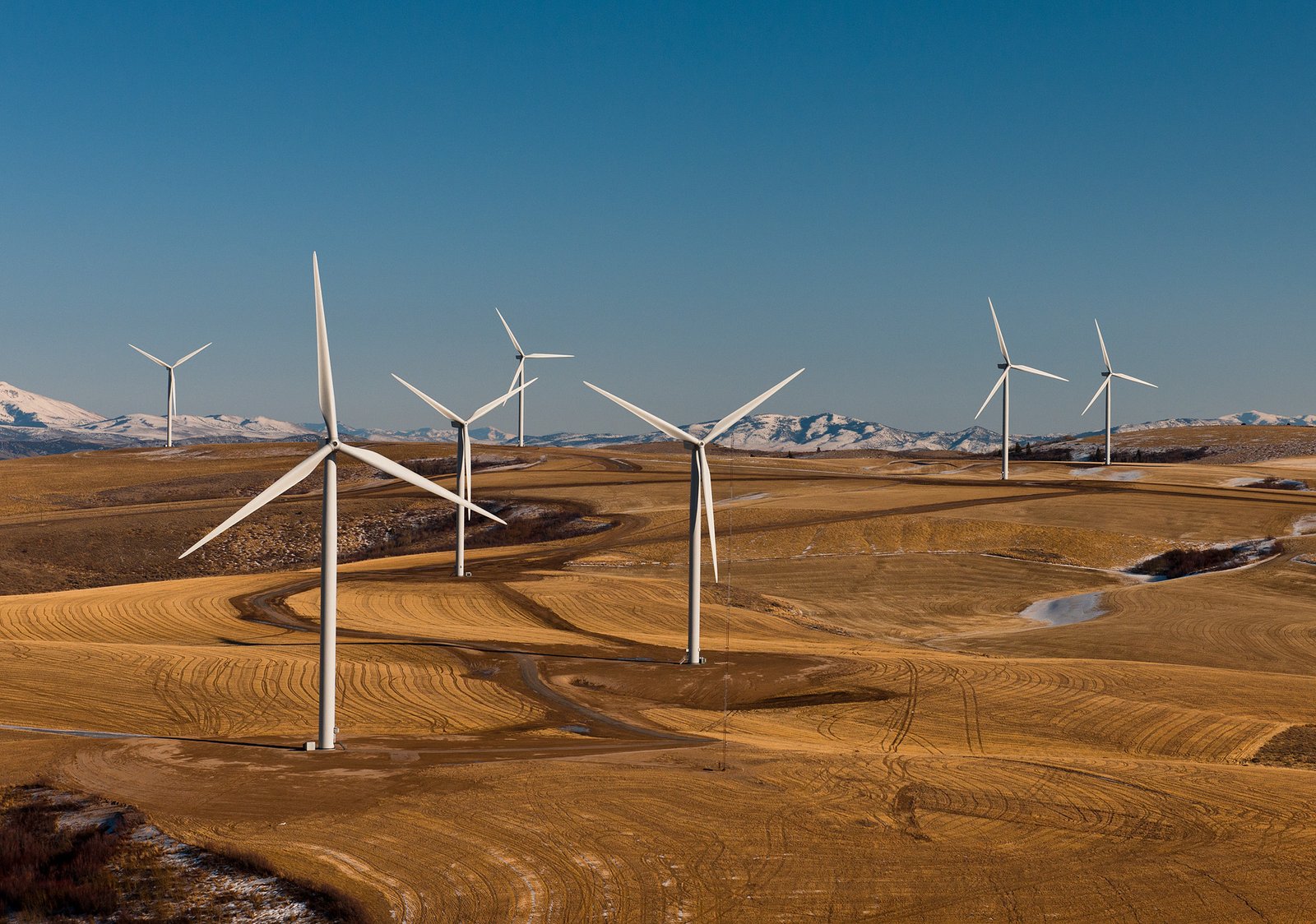




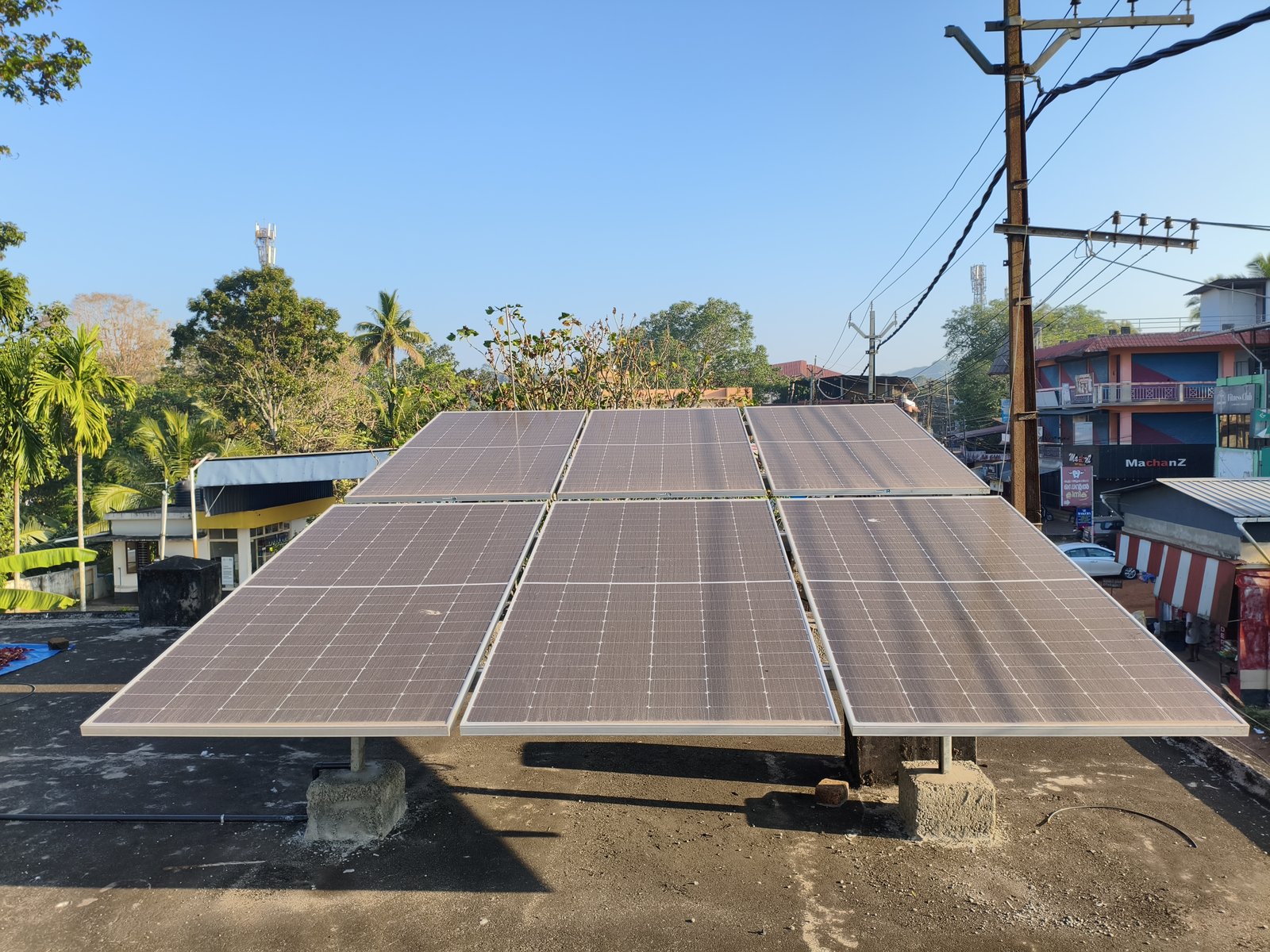
Amid the clamor of construction, new regulations are quietly aligning the country's energy matrix with the global shift towards renewable sources. The mechanism, a recent decree that facilitates the integration of solar and wind power into the grid, is touching the lives of developers, investors, and everyday citizens alike as Vietnam's energy infrastructure undergoes a pivotal overhaul.
Renewable Energy Targets and Government Initiatives
Vietnam's strategic pivot towards renewable energy is underscored by its ambitious targets, as the country aims to derive 21% of its total power output from renewable sources by 2030, according to the Ministry of Industry and Trade. This target is a significant step in the nation's energy transition, reflecting a broader commitment to sustainable development and a reduction in greenhouse gas emissions. The implication of this shift is a substantial increase in the capacity for solar and wind power generation, which are poised to become the backbone of Vietnam's renewable energy sector.
The government's initiative to foster renewable energy growth is further evidenced by the introduction of mechanisms such as the Feed-in-Tariff (FiT) policy. This policy provides a guaranteed price for electricity generated from renewable sources, thereby incentivizing private investment in the sector. The FiT policy, as per the Ministry of Industry and Trade, has been instrumental in attracting both domestic and foreign investment into renewable energy projects, catalyzing the expansion of solar and wind farms across the country.
In addition to the FiT policy, the Vietnamese government has also been proactive in reducing the bureaucratic hurdles for renewable energy projects. The Ministry of Planning and Investment has streamlined the approval process for renewable energy projects, thereby facilitating a more expeditious path to deployment. This streamlined process not only accelerates the growth of renewable energy but also enhances the country's attractiveness to international investors looking to capitalize on the burgeoning renewable energy market.
Furthermore, the government's commitment to renewable energy is also reflected in its efforts to phase out fossil fuel subsidies. The Ministry of Finance noted that reducing these subsidies is a crucial step in leveling the playing field for renewable energy sources, making them more competitive with traditional energy sources. This move is expected to redirect resources towards sustainable energy solutions, thereby bolstering the growth of the renewable energy sector and aligning with Vietnam's long-term environmental and economic goals.
Solar Power Expansion: Progress and Projections
The trajectory of solar power expansion in Vietnam has been marked by significant strides, with the cumulative installed capacity of solar power reaching a notable milestone. As of the end of 2022, the installed capacity of solar power in Vietnam was 12,500 MW, a substantial increase from the previous years, highlighting the country's commitment to renewable energy sources. This growth is further underscored by the fact that solar power accounted for 60% of the total power generated from renewable energy sources in the same year, according to VASEP. The implications of this expansion are profound, indicating a shift towards a more sustainable and environmentally friendly energy matrix.
Looking ahead, the projections for solar power in Vietnam are equally impressive. It is anticipated that by 2030, the installed capacity of solar power will soar to 40,000 MW, a figure that reflects the government's ambitious renewable energy targets. This aggressive expansion plan is in line with the National Power Development Plan, which aims to reduce the country's reliance on fossil fuels and increase the share of renewable energy in the energy mix. The Ministry of Industry and Trade has noted that this expansion will not only contribute to energy security but also stimulate economic growth through job creation and technology transfer.
The economic viability of solar power in Vietnam is further reinforced by the decreasing costs of solar photovoltaic (PV) systems. The cost of solar power has dropped significantly over the past decade, making it an increasingly attractive option for investors and energy companies. Bloomberg reports that the levelized cost of electricity from solar PV has fallen by 85% since 2010, making solar power one of the most cost-competitive energy sources available today. This cost advantage is expected to continue, further driving the expansion of solar power in Vietnam.
Lastly, the environmental benefits of solar power expansion in Vietnam cannot be overlooked. The shift towards solar power is expected to result in a significant reduction in greenhouse gas emissions. The Ministry of Natural Resources and Environment has emphasized the importance of reducing emissions to meet the country's international climate change commitments. By 2050, Vietnam aims to achieve net-zero emissions, and the expansion of solar power is a key component of this strategy. The transition to renewable energy sources, therefore, not only aligns with economic interests but also with the country's environmental and sustainability goals.
Wind Power Development: Regional Growth and Potential
The development of wind power in Vietnam has been a significant contributor to the country's renewable energy shift. According to the Ministry of Industry and Trade, the capacity of wind power projects in Vietnam has been growing steadily, with a total installed capacity of 1,639 MW as of 2022. This growth is indicative of the potential for further expansion in the sector, as the country seeks to diversify its energy mix and reduce reliance on fossil fuels. The regional growth in wind power is also supported by the fact that Vietnam's coastal regions offer favorable conditions for wind energy generation, with consistent wind speeds that can be harnessed to produce electricity.
The potential for wind power in Vietnam is further underscored by the government's commitment to renewable energy development. The Ministry of Planning and Investment has outlined a strategic plan that includes a target of 12,000 MW of installed wind power capacity by 2030. This ambitious target reflects the government's recognition of the importance of renewable energy in achieving energy security and sustainability. The implications of this target are significant, as it suggests a substantial increase in investment and development in the wind power sector, which could lead to technological advancements and cost reductions in the long term.
In addition to the government's targets, the private sector has also shown interest in wind power development. Several foreign and domestic companies have expressed interest in investing in wind power projects in Vietnam, per VASEP. This interest is driven by the attractive incentives offered by the government, such as tax exemptions and land lease benefits, which make wind power projects more financially viable. The involvement of the private sector is crucial for the acceleration of wind power development, as it can bring in additional capital, expertise, and innovation to the sector.
Lastly, the regional growth of wind power in Vietnam is also influenced by international cooperation and technology transfer. Partnerships with countries that have advanced wind power technologies can provide Vietnam with the necessary know-how to develop its own wind power infrastructure. The Ministry of Science and Technology has been actively seeking such partnerships to enhance the country's renewable energy capabilities. This international collaboration is essential for Vietnam to leverage global expertise and accelerate its transition to a low-carbon economy.
Investment Opportunities in Green Energy Infrastructure
The renewable energy sector in Vietnam presents a compelling investment opportunity, particularly in solar and wind infrastructure. According to VASEP, the country's solar power capacity has seen exponential growth, with installations increasing from 134 MW in 2017 to over 17,000 MW by the end of 2020. This surge in capacity has been driven by policy incentives and the falling costs of renewable energy technology, which has made solar power an economically viable alternative to traditional fossil fuels. The implications for investors are significant, as the sector's rapid expansion suggests a substantial market for the production, installation, and maintenance of solar panels and related infrastructure.
The growth trajectory of wind power in Vietnam is equally promising. Per Bloomberg, the country's wind power capacity is expected to increase from 160 MW in 2020 to over 6,000 MW by 2030. This substantial growth is set against a backdrop of government initiatives aimed at diversifying the energy mix and reducing reliance on imported fossil fuels. The development of wind farms requires significant capital investment, creating opportunities for investors in the construction and operation of these facilities. Additionally, the need for advanced technology and skilled labor in wind power generation opens avenues for investment in research and development, as well as in the training and education sectors.
The Vietnamese government's commitment to renewable energy is further underscored by its National Energy Development Strategy, which sets a target of having renewable energy account for 21% of the total primary energy supply by 2030. This strategic direction implies a continued push for investment in green energy infrastructure, with the government likely to offer further incentives and support to attract domestic and foreign capital. Investors may find opportunities in aligning their portfolios with these policy goals, potentially benefiting from the preferential treatment and subsidies that often accompany such initiatives.
Lastly, the shift towards renewable energy in Vietnam is not only about meeting domestic energy needs but also about positioning the country as a regional leader in green technology. The Ministry of Finance noted that the government is actively seeking to attract foreign direct investment in the renewable energy sector, offering tax incentives and other benefits to encourage international collaboration. This opens up opportunities for global investors to participate in Vietnam's green energy revolution, potentially gaining access to a growing market while also contributing to the global transition towards a more sustainable energy future.
Challenges and Risks in the Renewable Energy Sector
The renewable energy sector in Vietnam, while burgeoning, is not without its challenges. One significant hurdle is the fluctuating nature of renewable energy sources, particularly solar and wind. These sources are intermittent, and their output is subject to weather conditions, which can lead to supply instability. This intermittency can strain the grid and increase the need for energy storage solutions, thereby adding complexity and cost to the renewable energy infrastructure, as per the Ministry of Industry and Trade.
Another challenge lies in the integration of renewable energy into the existing energy grid. The grid's current infrastructure may not be fully equipped to handle the influx of renewable energy, necessitating significant upgrades and investments. This process not only requires substantial financial outlay but also time, potentially slowing the transition to renewable energy sources. According to the Ministry of Industry and Trade, the grid modernization is a critical yet complex task that needs to be addressed to facilitate the renewable energy shift.
The financial risks associated with the renewable energy sector should not be overlooked. The sector is capital-intensive, requiring significant upfront investments for infrastructure development. Moreover, the return on investment can be slow, particularly given the long lifespan of renewable energy projects. This can deter some investors, especially those seeking quick returns, and may limit the sector's growth potential. The Ministry of Finance noted that despite the long-term benefits, the initial high costs pose a significant barrier for some investors.
Lastly, the regulatory environment presents both opportunities and risks. While the government has been supportive of renewable energy through various incentives and policies, the evolving regulatory landscape can introduce uncertainties. Changes in policies, such as subsidies or tax incentives, can impact the profitability and feasibility of renewable energy projects. regulatory requirements closely monitor policy developments to navigate these risks effectively. The Ministry of Industry and Trade has emphasized the importance of a stable and predictable regulatory framework to encourage long-term investments in the renewable energy sector.
The Role of FDI in Accelerating Green Energy Growth
Foreign Direct Investment (FDI) has been pivotal in propelling Vietnam's renewable energy sector forward, particularly in solar and wind energy. The influx of FDI has not only provided the necessary capital for infrastructure development but also introduced advanced technology and management expertise. "FDI has played a crucial role in the rapid expansion of renewable energy projects in Vietnam," as per the Ministry of Planning and Investment. This influx of capital and technology has enabled Vietnam to leapfrog certain developmental stages, directly integrating advanced renewable energy solutions into its energy matrix.
The Vietnamese government's strategic approach to attract FDI has been evident through its policy framework, which includes incentives for greenfield investments in renewable energy. "Decree No. 142/2026/ND-CP" has been instrumental in this regard, offering tax holidays and reduced corporate income tax rates for projects that align with the country's sustainable development goals. This regulatory environment has made Vietnam an attractive destination for international investors looking to capitalize on the growing renewable energy market, thereby accelerating the sector's growth.
Moreover, the contribution of FDI in renewable energy has extended beyond financial investment; it has also encompassed technology transfer and capacity building. "The transfer of technology and know-how from foreign investors has been a significant factor in enhancing the efficiency and competitiveness of Vietnam's renewable energy sector," noted the Ministry of Industry and Trade. This has not only improved the operational capabilities of existing projects but also fostered a skilled workforce capable of sustaining the sector's momentum in the long term.
Lastly, the increasing participation of FDI in Vietnam's renewable energy sector has also had a catalytic effect on the domestic private sector. "The presence of foreign investors has spurred domestic companies to increase their investments in renewable energy," as stated by the Vietnam Renewable Energy Association (VREA). This competitive dynamic has driven innovation, efficiency, and a broader adoption of renewable energy solutions across the country, reinforcing Vietnam's position as a leading green energy hub in Southeast Asia.
The influx of foreign direct investment (FDI) into Vietnam's renewable energy sector has not only accelerated the technological advancement and operational efficiency of existing projects but has also catalyzed a competitive environment that fosters domestic investment and innovation. This dynamic suggests that Vietnam is poised to become a significant player in the global renewable energy market, with the potential for substantial growth in solar and wind energy sectors. The technology transfer and capacity building facilitated by FDI have positioned Vietnam to harness its renewable energy potential more effectively, which could lead to increased energy security and reduced reliance on fossil fuels.
The competitive landscape, spurred by FDI, indicates a market ripe for further investment, particularly in renewable energy technologies. The Vietnam Renewable Energy Association (VREA)'s observation of increased domestic investment in response to foreign competition suggests that the market is not only open but also eager for innovation and expansion. Investors may find opportunities in this burgeoning sector, as the country's strategic position and commitment to green energy align with global trends towards sustainability and clean energy. The data implies that Vietnam's renewable energy sector is set for a period of significant growth, offering potential for robust returns alongside contributions to global environmental goals.