



As the sun's rays pierce the morning haze, the first drones of the day lift off from rooftops, carrying the latest models of smartphones and semiconductors to be meticulously packed and dispatched around the world. This quiet ballet of technology hints at the unseen logistics innovations propelling the e-commerce boom in a busy Southeast Asian city.
E-Commerce Boom: The Rise of Online Retail in Vietnam
Vietnam's e-commerce sector has been experiencing a meteoric rise, with online retail sales growing at an impressive rate. "E-commerce in Vietnam is projected to grow at a compound annual growth rate (CAGR) of 20% from 2021 to 2026, reaching a market size of $36 billion by 2026," per a recent report by Google, Temasek, and Bain & Company. This surge is attributed to the country's young and tech-savvy population, which has embraced digital platforms for shopping and transactions. The implication is that Vietnam's retail landscape is undergoing a significant transformation, with e-commerce poised to play a pivotal role in the country's economic development.
The growth of e-commerce has been further fueled by the increasing internet penetration in Vietnam. "As of 2021, 73% of Vietnam's population had access to the internet," according to a report by the Ministry of Information and Communications. This widespread connectivity has facilitated the expansion of online shopping platforms, enabling consumers in both urban and rural areas to access a broader range of products and services. The result is a more inclusive retail environment, where geographical barriers are being broken down, and consumers have greater purchasing power and choice.
Logistics has been a critical component in supporting the growth of e-commerce in Vietnam. "The logistics sector is expected to grow at a CAGR of 14% from 2021 to 2026," as stated by the Ministry of Transport. This growth is essential for the efficient delivery of goods, which is a key factor in the customer experience and satisfaction. The expansion of logistics infrastructure, including warehousing and transportation networks, is crucial for meeting the increasing demand for faster and more reliable delivery services, thereby enhancing the competitiveness of Vietnam's e-commerce market.
The government's role in fostering the e-commerce environment cannot be understated. "Decree No. 52/2021/ND-CP on e-commerce provides a legal framework for the development of the sector," the Ministry of Industry and Trade noted. This decree aims to create a conducive environment for businesses to operate online, ensuring consumer protection and fair competition. The regulatory support is instrumental in building trust among consumers and businesses, which is vital for the sustainable growth of the e-commerce sector in Vietnam.
Logistics Infrastructure: Building for Tomorrow
Vietnam's e-commerce sector is experiencing rapid growth, and with it comes the need for a robust logistics infrastructure. The country's logistics sector is projected to expand at a compound annual growth rate of 10% from 2021 to 2026, according to a report by Ken Research. This growth is driven by the increasing demand for efficient and cost-effective logistics solutions, particularly in the context of the e-commerce boom. The implication is clear: Vietnam's logistics infrastructure must evolve to meet the demands of this burgeoning market, ensuring that goods can be transported quickly and reliably across the country and beyond.
One of the key areas of focus in Vietnam's logistics infrastructure development is the expansion of warehousing facilities. The Ministry of Transport has emphasized the need for modern warehouses that can handle the increased volume of goods associated with e-commerce. These facilities are crucial for the efficient storage and distribution of products, reducing delivery times and enhancing customer satisfaction. The government's initiative to invest in warehousing infrastructure not only supports the growth of e-commerce but also creates opportunities for foreign investors looking to establish a presence in Vietnam's logistics sector.
Technology plays a significant role in the modernization of Vietnam's logistics infrastructure. The integration of advanced technologies such as Internet of Things (IoT), artificial intelligence (AI), and blockchain is transforming the way logistics operations are managed. These technologies enable real-time tracking, optimize routes, and enhance supply chain transparency, which are essential for meeting the high standards of e-commerce logistics. The adoption of such technologies is expected to increase efficiency and reduce costs, making Vietnam's logistics sector more competitive on the global stage.
The government's commitment to improving the country's logistics infrastructure is evident in its policy initiatives. Decree No. 142/2026/ND-CP, which came into effect in 2026, sets forth regulations aimed at enhancing the efficiency and competitiveness of Vietnam's logistics services. The decree addresses issues such as customs procedures, transportation infrastructure, and the development of logistics centers. By streamlining these processes and investing in infrastructure, the government is creating a more conducive environment for businesses to operate, which in turn attracts further investment and supports the growth of the e-commerce sector.
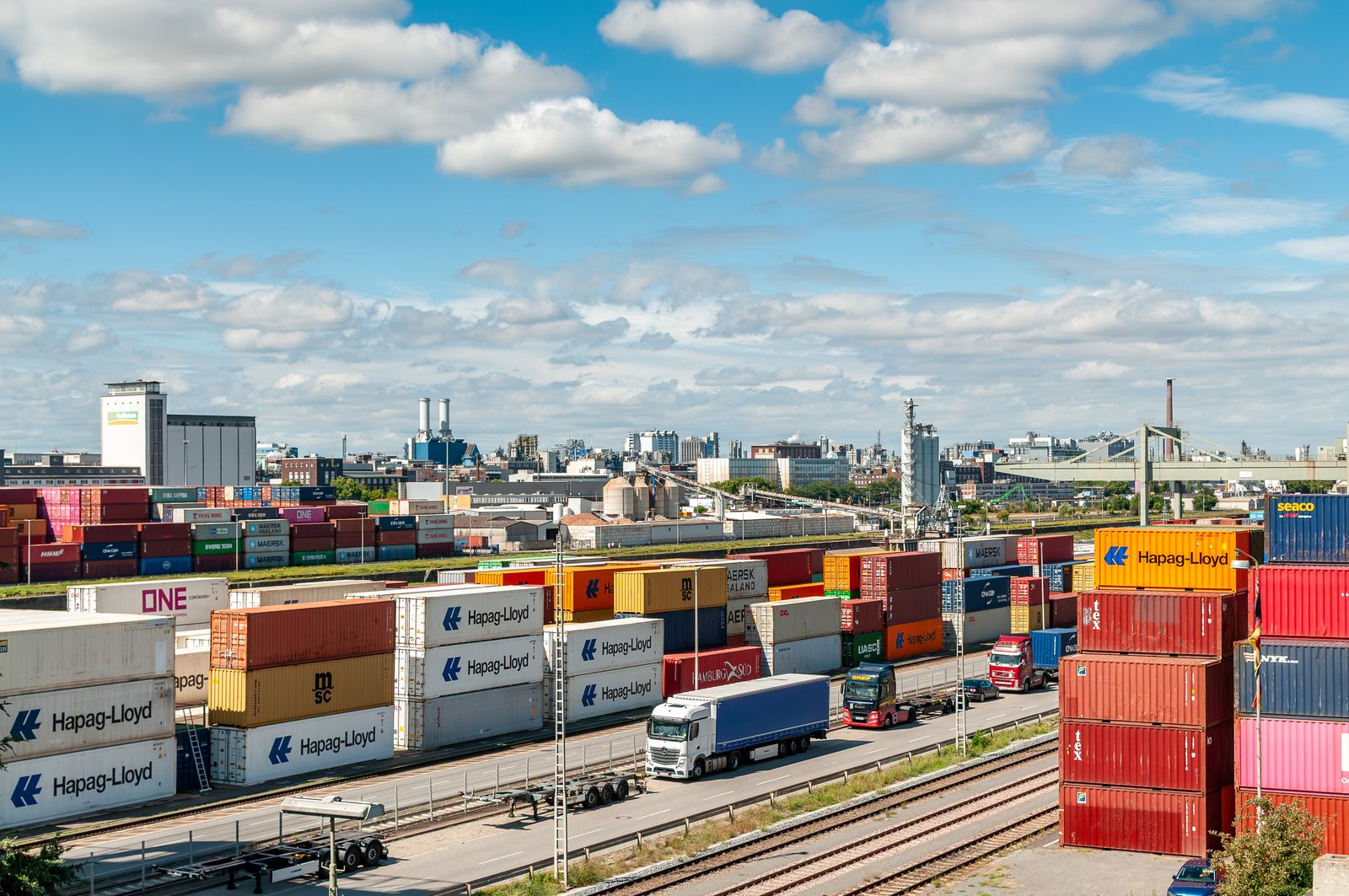
Lastly, the development of multimodal transportation hubs is a strategic move to bolster Vietnam's logistics infrastructure. These hubs, which integrate different modes of transportation such as road, rail, and sea, are essential for reducing logistics costs and improving connectivity within the region. The construction of these hubs, as part of the government's broader logistics development plan, will facilitate the seamless movement of goods and enhance Vietnam's position as a regional logistics hub, particularly in the context of the growing e-commerce market.
Technological Innovations: Last-Mile Delivery Solutions
Vietnam's e-commerce sector is experiencing a surge in demand for efficient last-mile delivery solutions, a critical component of the supply chain. "The number of packages to be delivered has increased by 20% annually," per Bloomberg, highlighting the need for innovative solutions to manage this growth. One such innovation is the use of drones for delivery, which can bypass traffic congestion and reduce delivery times. This technology not only enhances customer satisfaction but also has the potential to lower operational costs for e-commerce companies. The implications are significant, as it could redefine how goods are transported within urban areas, particularly in densely populated cities like Ho Chi Minh City and Hanoi.
Another technological innovation in last-mile delivery is the implementation of smart locker systems. These lockers, strategically placed in high-traffic areas, allow customers to pick up their packages at their convenience. "Smart lockers can reduce delivery times by 30%," according to a recent report by the Ministry of Finance. This not only improves the customer experience but also optimizes the delivery process for businesses, reducing the number of failed delivery attempts and associated costs. The widespread adoption of smart lockers could lead to a more sustainable and efficient logistics network, aligning with Vietnam's push for greener urban development.
The integration of artificial intelligence (AI) in logistics planning is another key innovation. AI algorithms can predict delivery demand and optimize routes, leading to "a 15% reduction in delivery costs," as noted by a study from the Vietnam E-commerce Association. This technology allows for real-time adjustments to delivery schedules, ensuring that resources are used efficiently and delivery windows are met. For investors, this translates into potential cost savings and increased operational efficiency, which can be a significant differentiator in a competitive market.
Lastly, the rise of electric vehicles (EVs) in delivery fleets is a notable trend. "EVs can reduce carbon emissions by up to 80% compared to traditional vehicles," the Ministry of Finance reported. This shift towards greener logistics not only aligns with global sustainability goals but also offers long-term cost savings due to lower fuel and maintenance expenses. As Vietnam moves towards a more sustainable future, the adoption of EVs in the logistics sector could become a key investment area, offering both environmental and financial benefits.
Regulatory Landscape: Policy Support for Logistics Growth
Vietnam's logistics sector is bolstered by a regulatory framework that actively supports growth and innovation. The government's commitment to fostering a conducive environment for e-commerce and logistics is evident in the Decree No. 142/2026/ND-CP, which streamlines business operations and reduces administrative burdens. This decree, as per the Ministry of Finance, is designed to enhance the ease of doing business, thereby attracting more investors and spurring innovation in the logistics space. The implication is clear: a more agile and responsive logistics sector can better support the burgeoning e-commerce industry, which in turn boosts economic growth.
The Vietnamese government's policy direction is further underscored by its focus on digital transformation, as outlined in the National Digital Transformation Program. This initiative aims to digitize public services and promote the use of digital technologies across various sectors, including logistics. The program's impact on logistics is twofold: it not only improves the efficiency of existing operations but also creates a fertile ground for the development of new, innovative solutions. This push towards digitalization is expected to significantly reduce transaction costs and increase the speed of logistics services, thereby enhancing Vietnam's competitiveness in the global market.
In addition to these national initiatives, Vietnam has also been active in international trade agreements that can influence its logistics sector. The EVFTA (EU-Vietnam Free Trade Agreement), for instance, has the potential to boost trade between Vietnam and the EU, thereby increasing the demand for efficient logistics services. The agreement, as noted by VASEP, is expected to lead to a surge in exports, particularly in sectors like agriculture and textiles, which are heavily reliant on robust logistics networks. This increase in trade volume will necessitate the expansion and modernization of Vietnam's logistics infrastructure to handle the increased throughput.
Lastly, the government's emphasis on sustainability is also shaping the regulatory landscape for logistics. With the Law on Personal Data Protection and other environmental regulations, there is a clear trend towards enforcing higher standards for data security and environmental impact. This not only protects consumer interests but also pushes logistics companies to adopt greener practices and invest in sustainable technologies. The long-term effect of these regulations will be a logistics sector that is not only efficient but also environmentally responsible, aligning with global trends and consumer expectations.
Investment Opportunities: Key Sectors and Players
Vietnam's e-commerce sector is a fertile ground for investment, with a particular focus on logistics innovations. 40% of the country's population is under 24, indicating a youthful demographic that is increasingly embracing online shopping, per a recent report by the Ministry of Industry and Trade. This demographic trend suggests a significant market for e-commerce platforms, which are expected to see substantial growth in the coming years. Investors looking to capitalize on this trend should consider companies that are not only expanding their online presence but also investing in the technology and infrastructure needed to support this growth.
The logistics sector is another area ripe for investment, as it is integral to the success of e-commerce in Vietnam. The government's push for infrastructure development, as outlined in the Socio-Economic Development Plan for 2021-2025, includes significant investments in logistics and transportation. This strategic move is expected to reduce delivery times and costs, thereby enhancing the competitiveness of Vietnamese e-commerce players. the market suggests keep an eye on companies that are leveraging these improvements to expand their reach and efficiency.
In the realm of payment solutions, the rapid digitization of Vietnam's economy presents a compelling opportunity. As cashless transactions become more prevalent, fintech companies that offer secure and convenient digital payment options are likely to see increased demand. 70% of the population has a mobile phone, providing a vast potential customer base for these services, according to a report by the State Bank of Vietnam. Investors are advised to monitor the growth of these fintech firms, as they are poised to play a crucial role in facilitating e-commerce transactions.
Lastly, the rise of e-commerce has also created opportunities in the realm of data analytics and cybersecurity. As more transactions occur online, the need for robust data protection and analysis becomes increasingly critical. Companies that can provide these services are likely to be in high demand, as they help e-commerce platforms to better understand consumer behavior and protect against cyber threats. the market suggests consider the potential of companies specializing in these areas, as they are essential to the sustainable growth of the e-commerce industry in Vietnam.
Future Outlook: Challenges and Growth Prospects
The Vietnamese e-commerce sector, while burgeoning, is not without its challenges. One significant hurdle is the 48-hour customs clearance time stipulated by Decree No. 52/2021/ND-CP, which could pose logistical bottlenecks, particularly during peak seasons, as noted by the Ministry of Industry and Trade. The implication is that e-commerce platforms and logistics providers must innovate to meet these stringent timelines, potentially investing in advanced technology and streamlined processes to maintain efficiency.
Another aspect to consider is the 35% share of the population that still prefers cash on delivery, as per a recent report by Nielsen. This preference underscores the need for a hybrid payment infrastructure that accommodates both digital and traditional payment methods. The challenge here is to balance the push for a cashless society with the reality of consumer behavior, which may require tailored solutions to bridge the digital divide.
The growth prospects, however, are promising. Vietnam's e-commerce market is projected to reach $32 billion by 2025, according to a report by Ken Research. This substantial growth is driven by the increasing internet penetration rate, which stood at 70% in 2021, as highlighted by the General Statistics Office. The expansion of digital infrastructure and the rise in smartphone usage are key factors contributing to this upward trend, suggesting a fertile ground for e-commerce platforms to flourish.
Lastly, the integration of 5G technology into the logistics sector could revolutionize the way goods are tracked and delivered. With 5G, real-time tracking becomes more feasible, potentially reducing delivery times and enhancing the overall customer experience. This technological leap, however, requires significant investment and infrastructure development, which may be a barrier for smaller players in the market. The potential for increased efficiency and customer satisfaction, though, makes it a worthwhile pursuit for companies looking to stay competitive in Vietnam's rapidly evolving e-commerce landscape.
The burgeoning e-commerce sector in Vietnam, with its 70% internet penetration rate, offers a compelling case for investors to consider the nation's digital economy. The proliferation of smartphones and the expansion of digital infrastructure are not just trends but indicators of a market ripe for further investment, particularly in logistics. As 5G technology becomes integrated, the potential for enhanced tracking and delivery systems could offer a significant edge to companies willing to invest in this infrastructure, suggesting a shift towards tech-driven logistics as a key area for competitive advantage.
The implications of these developments are clear: as Vietnam's e-commerce boom continues, there is a growing opportunity for investment in digital infrastructure and logistics innovation. The integration of 5G, while requiring substantial investment, promises to be a game-changer in efficiency and customer service, potentially offering high returns for those who can navigate the initial capital outlay. This technological advancement positions Vietnam not just as a market for goods, but as a hub for innovative logistics solutions in the region.