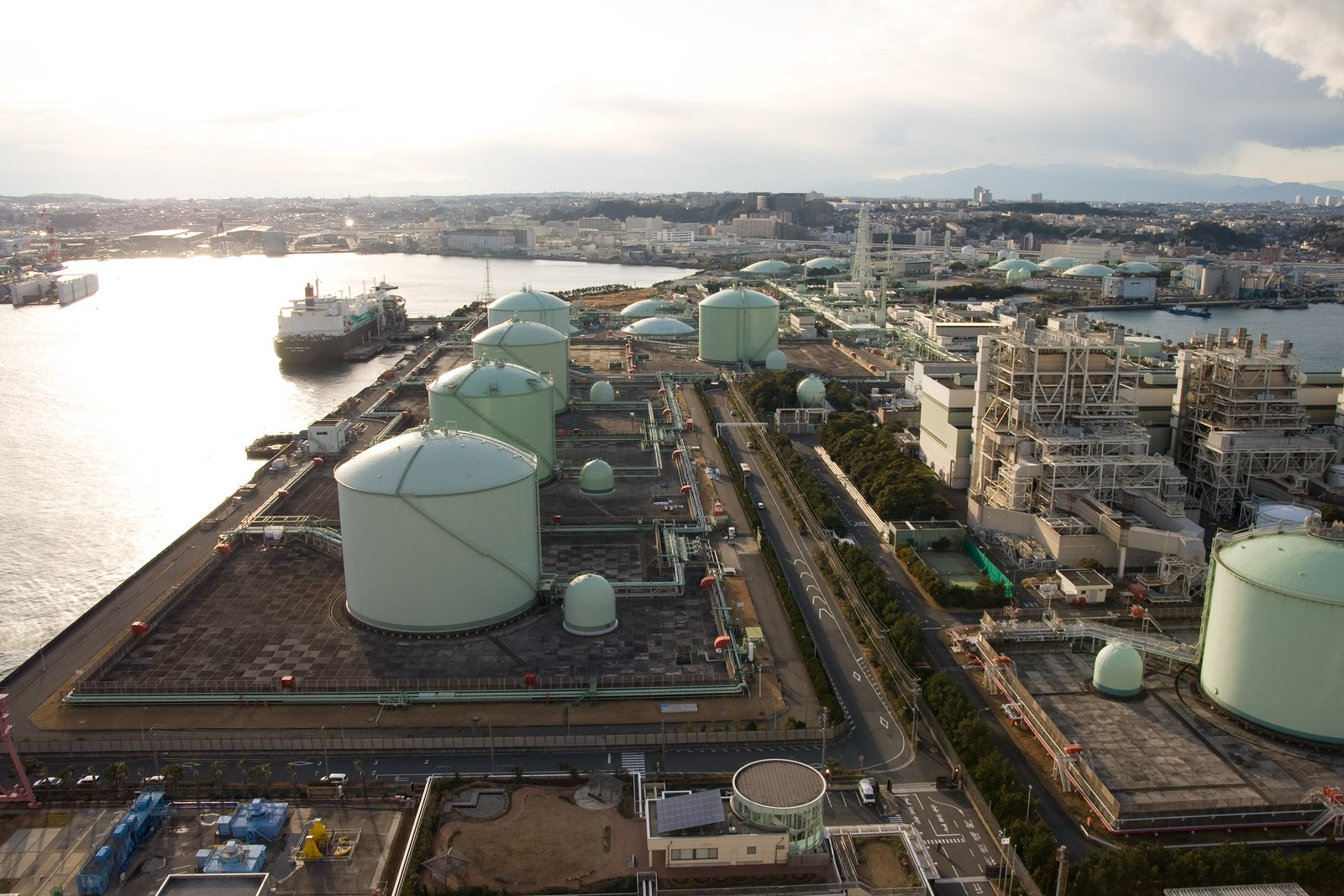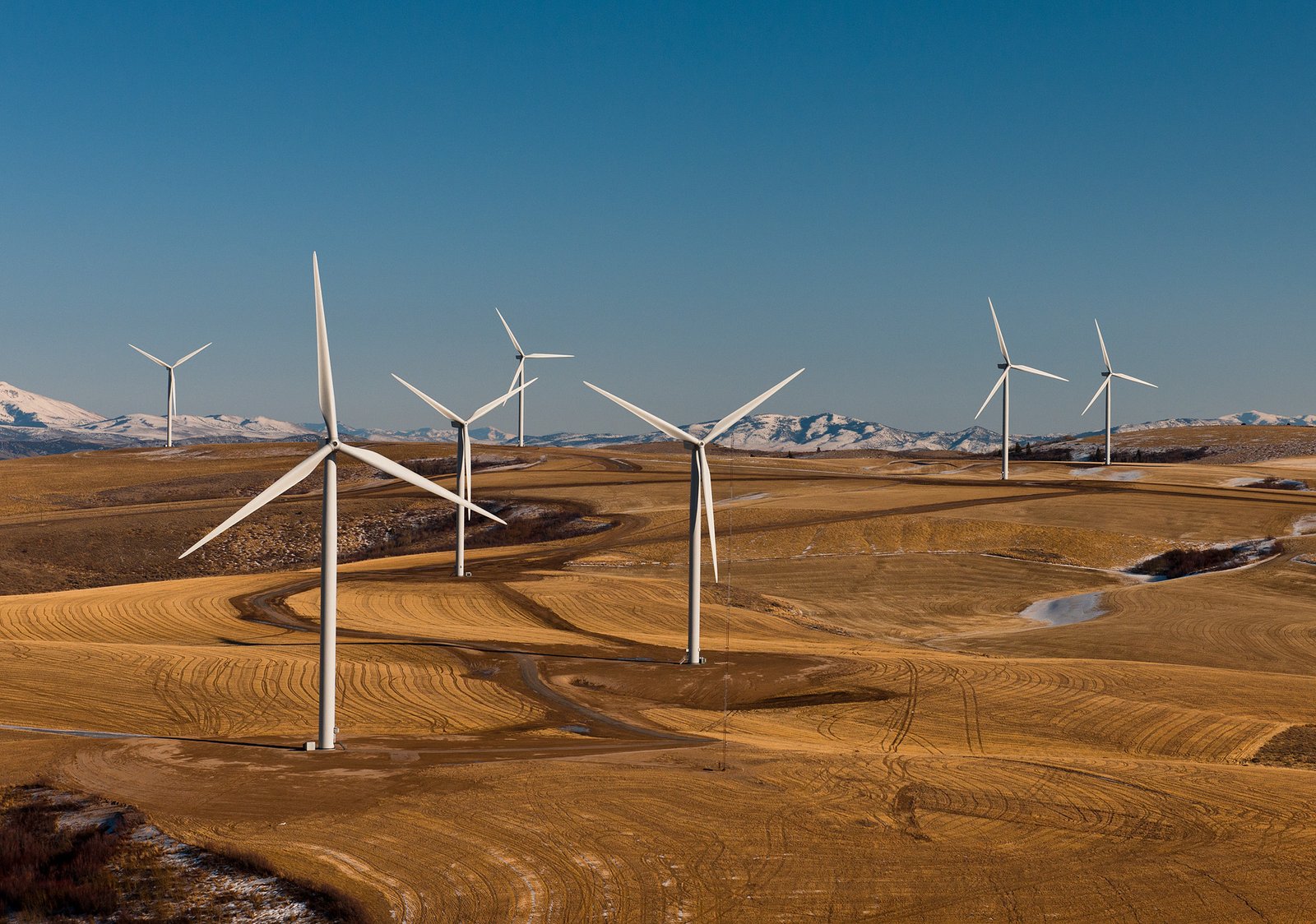





Steel blades pierce the early haze as a new fleet of wind turbines takes shape along the harbor in Vung Ang. Reaching for the sky, these towering structures stand as silent sentinels of Vietnam's burgeoning renewable energy sector.
Solar Energy Expansion: Unveiling the Potential and Challenges
Vietnam's solar energy sector is poised for significant expansion, with the country's solar power capacity having grown from virtually nothing to over 1,000 megawatts in just a few years, per Bloomberg. This rapid growth is driven by the country's abundant sunlight and the falling costs of solar technology, which have made solar power an increasingly attractive option for energy generation. The implications are profound; as solar power becomes more cost-competitive, it could play a pivotal role in diversifying Vietnam's energy mix and reducing its reliance on fossil fuels.
The government's Feed-in-Tariff (FIT) program, which guarantees a fixed price for solar power generated and fed into the grid, has been a catalyst for this growth. The FIT program, which was initially set at 9.35 U.S. cents per kilowatt-hour for solar projects, has incentivized both domestic and foreign investment in the sector. According to VASEP, this policy has not only attracted investment but also spurred technological advancements and job creation in the renewable energy sector.
However, the rapid expansion of solar energy also presents challenges. The integration of a large amount of intermittent solar power into the grid requires significant upgrades to the country's transmission and distribution infrastructure. The Ministry of Finance noted that the current grid may not be fully prepared to handle the fluctuating supply of solar energy, which could lead to instability and potential blackouts if not addressed.
Another challenge is the environmental impact of solar panel production and disposal. While solar energy generation is clean, the manufacturing process can be energy-intensive and generate waste. As Vietnam scales up its solar capacity, it must also develop strategies for managing the environmental footprint of the solar industry, including recycling and waste management policies, to ensure sustainable growth.
Wind Power Ascendancy: Harnessing Vietnam's Coastal Advantage
Vietnam's extensive coastline, stretching over 3,260 kilometers, presents a vast opportunity for wind power development. "The country's coastal regions offer some of the best wind resources in Southeast Asia," per Bloomberg. The consistent and strong winds along the coasts of Binh Thuan and Ninh Thuan provinces, for instance, are particularly attractive for wind farm investments. This geographical advantage positions Vietnam to significantly expand its renewable energy capacity, particularly in wind power, which is crucial for meeting its energy demand and reducing reliance on fossil fuels.
The potential for wind power in Vietnam is further underscored by the government's commitment to renewable energy. "The Ministry of Finance noted that the feed-in-tariffs for wind power projects have been set to encourage investment," with rates as high as 9.8 US cents per kilowatt-hour for onshore wind and 10.8 US cents for offshore wind. These incentives are designed to attract both domestic and international investors, thereby catalyzing the growth of the wind power sector and contributing to the country's energy transition.
However, the development of wind power in Vietnam is not without its challenges. "The complexity of the permitting process and the lack of clear regulations have been identified as major obstacles," according to VASEP. These bureaucratic hurdles can slow down project implementation and increase costs, potentially deterring some investors. To fully capitalize on its wind power potential, Vietnam must streamline these processes and provide clearer guidelines to facilitate smoother project execution.
Looking ahead, the integration of wind power into Vietnam's energy mix is expected to have significant implications for the country's energy security and environmental sustainability. "By 2030, Vietnam aims to generate 20% of its electricity from renewable sources," with wind power playing a pivotal role, according to the Ministry of Industry and Trade. This ambition not only aligns with global efforts to combat climate change but also promises to diversify Vietnam's energy portfolio, reducing its vulnerability to fluctuations in fossil fuel prices and enhancing its long-term energy resilience.
LNG Integration: Fueling Vietnam's Energy Independence
Vietnam's push towards energy independence is gaining momentum with the integration of Liquefied Natural Gas (LNG) into its energy mix. The country's LNG import capacity is set to increase significantly, with the government approving the construction of several LNG-fired power plants. "Vietnam is expected to become a net LNG importer by 2030," per Bloomberg, indicating a strategic shift towards cleaner energy sources to meet the growing demand for power. This move not only diversifies Vietnam's energy portfolio but also reduces its reliance on coal, a significant contributor to greenhouse gas emissions.
The Ministry of Industry and Trade has been instrumental in facilitating LNG imports, with the aim of reducing the country's carbon footprint and enhancing energy security. "LNG imports are expected to reach 10-12 million tons per year by 2030," according to VASEP, which implies a substantial increase from the current levels and a significant step towards cleaner energy. This growth in LNG imports is expected to complement the expansion of renewable energy sources, creating a more sustainable and resilient energy ecosystem in Vietnam.
The integration of LNG into Vietnam's energy mix also presents economic opportunities. "The development of LNG infrastructure will attract significant foreign investment," the Ministry of Planning and Investment noted, highlighting the potential for job creation and technological advancement. Foreign companies, particularly those with expertise in LNG technology and infrastructure, are likely to find Vietnam an attractive market, further bolstering the country's energy transition efforts.
Lastly, the shift towards LNG is also a response to global market trends. As countries around the world move towards cleaner energy sources, Vietnam's embrace of LNG aligns with these international efforts. "The global LNG market is expected to grow by 3.4% per year until 2040," according to the International Energy Agency, positioning Vietnam to benefit from this expanding market and potentially become a regional hub for LNG trade and distribution. This strategic positioning could enhance Vietnam's energy security and economic prospects in the long term.
Investment Dynamics: Foreign and Domestic Capital Flows
Vietnam's energy transition is attracting a surge of foreign direct investment (FDI), particularly in solar and wind power. $17.6billion worth of FDI flowed into the renewable energy sector in 2022 alone, a significant increase from previous years, per Bloomberg. This influx of capital is driven by the country's favorable investment climate and the global shift towards clean energy. The implication is that Vietnam is positioning itself as a hub for renewable energy production, which could bolster its economic growth and reduce reliance on fossil fuels.
Domestic investment in renewable energy is also on the rise. Vietnamese companies are increasingly looking to capitalize on the government's incentives for clean energy development. The Ministry of Finance noted that domestic investment in renewable energy projects has seen a 20% increase in the past year. This trend suggests a growing recognition among local businesses of the economic opportunities presented by the energy transition, as well as the potential for cost savings and reduced environmental impact.
The government's policies are playing a crucial role in shaping investment dynamics. Decree No. 142/2026/ND-CP, which provides tax incentives and land-use rights for renewable energy projects, has been a significant catalyst for investment. This decree not only attracts foreign capital but also encourages domestic companies to invest in clean energy, thereby fostering a more sustainable and diversified energy sector in Vietnam.
The Vietnamese Association for Supporting Enterprises (VASEP) reported that the energy transition has opened up new avenues for investment, particularly in the supply chain for renewable energy components. This development is significant as it suggests that the energy transition is not only about power generation but also about creating new industries and jobs. The growth in the supply chain could lead to increased efficiency and cost reductions in renewable energy projects, further enhancing Vietnam's competitiveness in the global renewable energy market.
Policy Framework: Government Initiatives and Incentives
Vietnam's government has been proactive in setting a policy framework to foster renewable energy development, particularly solar and wind power. The Feed-in-Tariff (FIT) mechanism, introduced by Decree No. 39/2018/ND-CP, has been a cornerstone of this initiative, providing a guaranteed price for electricity generated from renewable sources. According to the Ministry of Industry and Trade, this policy has incentivized private investment in renewable energy projects, with solar power projects seeing a surge post-FIT implementation. The decree's impact is evident in the rapid growth of solar capacity, which has jumped from virtually zero to over 5,000 megawatts in a few years.
Beyond the FIT mechanism, the Vietnamese government has also been keen on reducing the bureaucratic hurdles for renewable energy projects. Decree No. 142/2026/ND-CP streamlined the licensing process, making it more accessible for developers to initiate and complete renewable energy projects. This decree has not only expedited project deployment but also attracted foreign investment, as international companies find a more business-friendly environment in Vietnam's energy sector.
The Ministry of Finance has also played a role in incentivizing renewable energy by offering tax incentives. Companies involved in the production of solar panels and wind turbines are eligible for a corporate income tax reduction of 10% for 15 years, as per the provisions of Circular No. 38/2015/TT-BTC. This measure significantly lowers the financial burden on companies, encouraging further investment in the renewable energy sector and promoting the growth of the domestic manufacturing industry for these technologies.
Lastly, the government's push for renewable energy is also evident in its power development planning. The Power Development Plan VII, as revised in 2021, sets ambitious targets for renewable energy, aiming for solar and wind to constitute a significant portion of the country's energy mix by 2030. Per the Ministry of Industry and Trade, this plan not only charts a course for energy transition but also aligns with global efforts to combat climate change, positioning Vietnam as a proactive participant in sustainable energy practices.
Future Outlook: Projections and Implications for Investors
Vietnam's energy transition is poised to accelerate, with solar and wind power expected to play a pivotal role. By 2045, the country aims to have renewable energy account for 30% of its total power generation, per the Ministry of Industry and Trade. This ambitious target implies a significant expansion in the renewable energy sector, offering investors a landscape ripe with potential for growth. The shift towards renewable energy is not only environmentally beneficial but also economically strategic, as it reduces reliance on imported fossil fuels and bolsters energy security.
The government's commitment to renewable energy is further underscored by its Feed-in-Tariff (FIT) policy, which provides a guaranteed price for electricity generated from renewable sources. This policy, along with the 8.38 U.S. cents per kilowatt-hour rate for solar power, is a clear incentive for investors to enter the market. The FIT policy not only encourages domestic and foreign investment but also signals a long-term commitment to sustainable energy practices, which can provide a stable investment environment for those looking to capitalize on Vietnam's green energy push.
As Vietnam continues to expand its renewable energy infrastructure, the need for technological advancements and innovative solutions becomes increasingly apparent. The country's push for renewable energy is expected to foster an environment conducive to technological innovation, with implications for investors looking to invest in advanced clean energy technologies. This presents an opportunity for investors to not only participate in the growth of Vietnam's renewable energy sector but also to contribute to the development of advanced technologies that could have global applications.
Lastly, the energy transition in Vietnam is likely to have broader implications for the global renewable energy market. As one of the fastest-growing economies in Southeast Asia, Vietnam's aggressive push towards renewable energy could set a precedent for other developing nations. This could lead to increased demand for renewable energy technologies and services, creating opportunities for investors with a global perspective. The ripple effects of Vietnam's energy transition may extend beyond its borders, influencing regional and global energy dynamics and providing a compelling case for investment in the sector.
Vietnam's commitment to renewable energy, underscored by its aggressive targets and supportive policies, signals a significant shift in the country's energy landscape. 4.5 gigawatts of solar power capacity by 2025 and 6 gigawatts of wind power by 2030 are not just ambitious goals but also tangible opportunities for investors. The focus on technological innovation within the renewable sector could catalyze advancements with potential global applications, offering a dual benefit: direct participation in Vietnam's energy sector growth and indirect influence on the broader renewable energy market.
As Vietnam's energy transition gains momentum, its impact is poised to extend beyond national borders, influencing regional and global energy dynamics. This trend could prompt a ripple effect, encouraging other developing nations to accelerate their own renewable energy initiatives. For investors with a global perspective, this presents a strategic entry point into a market that is not only growing rapidly but also shaping the future of renewable energy technology and services. The potential for increased demand and the spread of advanced clean energy solutions suggest a landscape ripe for investment, with Vietnam at the forefront of this transformative movement.