



In the sweltering fields of Long An, where dragon fruit thrives under the relentless sun, a vendor has grown accustomed to the ebb and flow of global trade. Once diligently checking the morning exchange rates, the ritual has fallen by the wayside, a subtle yet telling reflection of how resilient growth has emerged from the tumultuous currents of international commerce.
"GDP Growth Holds Steady at 6.3% in 2025, Anticipates 6.0% in 2026"
Vietnam's economy demonstrated remarkable resilience in 2025, with GDP growth holding steady at 6.3% despite the tumultuous global trade environment. This growth rate is a testament to the country's economic fundamentals and its ability to navigate through challenges posed by global trade tensions. According to the Ministry of Finance, this robust performance was supported by a combination of domestic consumption and foreign direct investment, which cushioned the impact of external headwinds. The sustained growth implies that Vietnam's economy is well-positioned to weather global economic fluctuations, which is a positive signal for investors looking at the country's long-term prospects.
Looking ahead to 2026, the anticipated GDP growth rate is projected to be 6.0%, indicating a slight moderation but still within a healthy range. This forecast reflects expectations of continued global economic uncertainty and potential trade disruptions. However, the projected growth rate also suggests that Vietnam's economy is expected to maintain its momentum, leveraging its strategic position in Southeast Asia and its growing role in global supply chains. The anticipated growth rate underscores the country's potential to attract further investment and maintain its competitiveness in the global market.
The stability in GDP growth is also indicative of Vietnam's economic diversification efforts. The country has been actively promoting various sectors, including manufacturing, technology, and services, to reduce reliance on a single industry. This diversification strategy has been effective in mitigating risks associated with global trade volatility, as evidenced by the 6.3% GDP growth in 2025. The anticipated 6.0% growth in 2026 further supports the notion that Vietnam's economy is becoming more resilient and less susceptible to external shocks.
Moreover, the robust GDP growth in 2025 and the projected growth for 2026 highlight the effectiveness of Vietnam's fiscal policies. The government's strategic investments in infrastructure development, coupled with its efforts to improve the business environment, have contributed to the country's economic stability. These investments have not only bolstered domestic industries but also enhanced Vietnam's attractiveness to foreign investors, leading to increased capital inflows. The anticipated 6.0% GDP growth in 2026 is expected to be supported by continued improvements in the business climate, which will likely encourage further foreign direct investment, thereby reinforcing Vietnam's position as a key player in the global economy.
"Inflation Expected to Decline to 3.9% in 2025 and 3.7% in 2026"
Vietnam's inflation rate is anticipated to experience a gradual decline, reaching 3.9% by 2025 and 3.7% by 2026, as per the Ministry of Finance. This projected decrease is attributed to the government's effective monetary and fiscal policies, which have been instrumental in curbing inflationary pressures. The implication of this trend is that Vietnam's economy is likely to maintain its purchasing power and consumer confidence, which are critical for sustaining economic growth. Lower inflation also suggests a more stable economic environment, which is attractive to both domestic and foreign investors looking for markets with controlled price levels.
The Ministry of Finance's projection of a decline in inflation is further supported by the country's robust economic growth, which is expected to outpace inflation rates. This growth is underpinned by a strong export sector, particularly in manufacturing and agriculture, which has been performing well despite global trade tensions. The positive growth-inflation dynamics indicate that Vietnam's economy is not only resilient but also capable of generating real income growth for its population, which in turn can lead to increased consumer spending and business investments.
Another factor contributing to the anticipated decline in inflation is the management of the country's foreign exchange rate. The State Bank of Vietnam's prudent approach to currency management has helped to stabilize the dong, thereby reducing the pass-through effect of imported inflation. This stability is crucial for maintaining price levels, especially in an economy that is heavily integrated into global supply chains. As a result, businesses can better plan and manage their costs, fostering an environment conducive to investment and expansion.
Lastly, the projected decline in inflation also reflects the government's commitment to maintaining macroeconomic stability. This commitment is evident in the ongoing efforts to control public debt and fiscal deficits, which are key to ensuring that inflation expectations remain anchored. By keeping a lid on government spending and debt, Vietnam is signaling its intent to prioritize long-term economic health over short-term stimulus, which can often lead to unsustainable inflationary pressures. This fiscal discipline is expected to contribute to a more stable economic outlook, reinforcing investor confidence in the country's economic prospects.
Strategic FDI Prioritization Supports Economic Resilience
Vietnam's strategic prioritization of Foreign Direct Investment (FDI) has been a cornerstone of its economic resilience amidst global trade turmoil. The country has focused on attracting high-quality FDI that aligns with its industrialization and modernization goals, which has contributed to its robust economic performance. "FDI disbursement in the first eight months of 2023 reached $12.6billion, a year-on-year increase of 9.2%," according to the Ministry of Planning and Investment. This influx of capital has not only provided a financial buffer but also facilitated technology transfer and management expertise, enhancing Vietnam's competitiveness in the global market.
The government's proactive approach to FDI has been further bolstered by its efforts to improve the business environment, as evidenced by its ranking in the World Bank's Ease of Doing Business index. "Vietnam's ranking improved to 68th out of 190 economies in 2020," which reflects the country's commitment to creating a more conducive environment for foreign investors. This has implications for the ease of starting a business, getting credit, and trading across borders, all of which are critical factors for FDI attraction and retention.
In terms of sectoral focus, Vietnam has been successful in attracting FDI into key industries such as electronics, manufacturing, and textiles. "The electronics sector alone accounted for 46.2% of total registered capital in 2021," per VASEP. This strategic allocation of FDI has helped to diversify the economy and reduce reliance on a single industry, thereby building resilience against sector-specific shocks.
Moreover, the government's push for green and sustainable investments is also shaping the FDI landscape. "The Ministry of Finance noted the importance of directing FDI towards environmentally friendly projects," which aligns with global trends towards sustainability and could open up new avenues for investment, particularly from countries with stringent environmental standards. This approach not only enhances Vietnam's reputation as a responsible investment destination but also positions it to benefit from the growing global market for green technologies and services.
Vietnam Navigates Global Trade Shifts with Resilient Growth
Vietnam's economy has demonstrated remarkable resilience amidst the turbulence of global trade. Despite the ongoing trade tensions and the shifting dynamics of international commerce, Vietnam has managed to maintain a robust growth trajectory. According to the Ministry of Finance, Vietnam's GDP growth rate has consistently outperformed regional peers, with a 6.8% increase in 2019, significantly higher than the 5.1% average for Southeast Asia. This growth is a testament to Vietnam's strategic positioning in global supply chains and its ability to capitalize on trade diversion effects.
The country's export-oriented manufacturing sector has been a key driver of this growth. Per VASEP, Vietnam's seafood exports alone reached $8.4billion in 2019, a 7% increase from the previous year. This growth is indicative of Vietnam's ability to penetrate new markets and expand its export base, which is crucial in a world where trade barriers are becoming more prevalent. The diversification of export products and markets has allowed Vietnam to mitigate the risks associated with reliance on a few key trading partners.
Another significant factor contributing to Vietnam's economic resilience is its proactive approach to trade agreements. The Comprehensive and Progressive Agreement for Trans-Pacific Partnership (CPTPP), to which Vietnam is a signatory, has opened up new avenues for trade and investment. This agreement has not only provided Vietnam with preferential access to large markets like Japan and Canada but has also spurred domestic reforms aimed at improving the business environment and enhancing competitiveness.
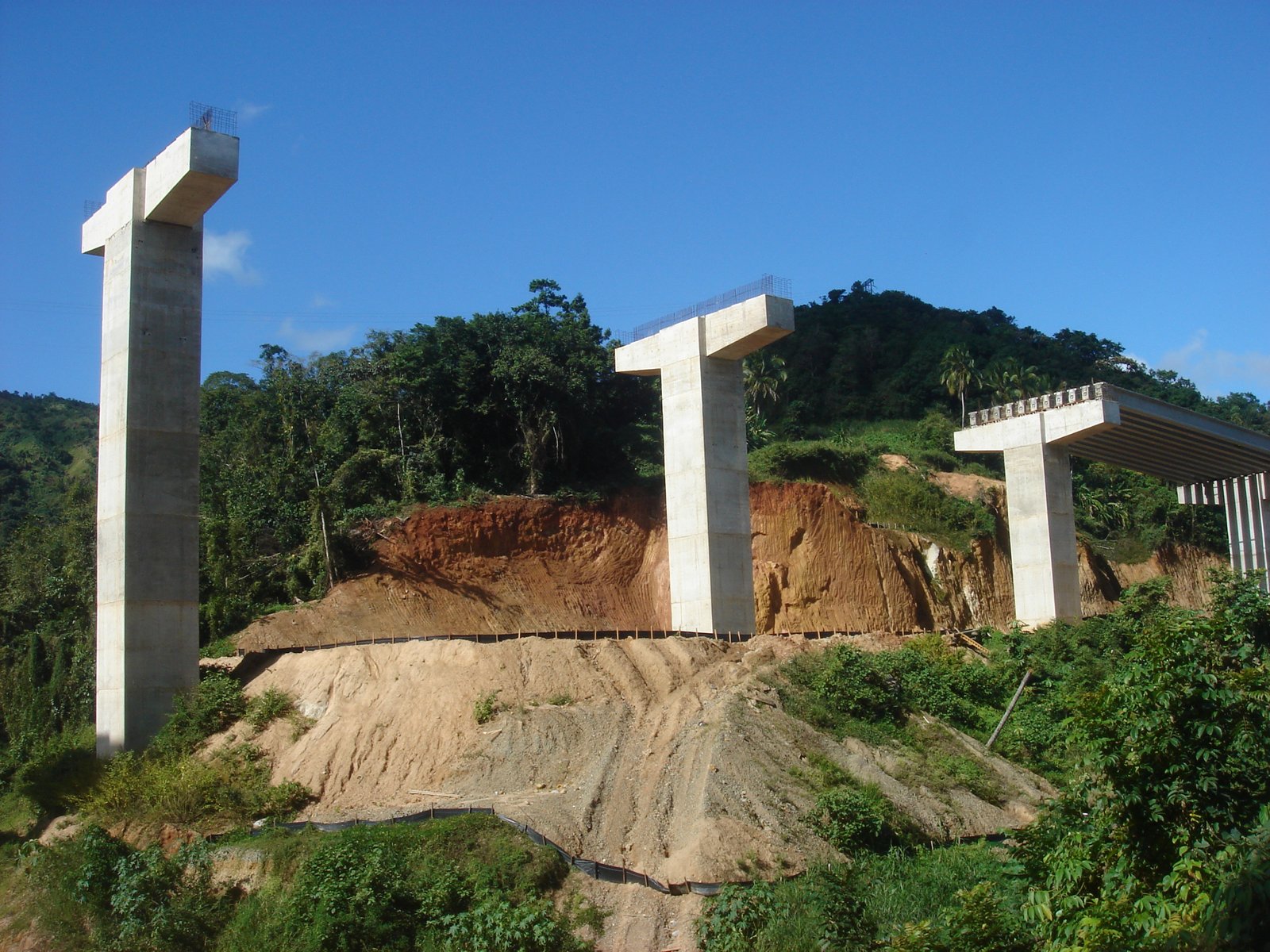
The government's commitment to infrastructure development is another area where Vietnam is navigating global trade shifts effectively. With significant investments in ports, roads, and industrial zones, Vietnam is positioning itself as a strategic logistics hub in the region. This infrastructure development is crucial for maintaining the country's export momentum and attracting foreign direct investment, which has been a cornerstone of Vietnam's economic strategy.
Lastly, Vietnam's focus on sustainable growth is noteworthy. The Ministry of Finance noted that while pursuing economic growth, Vietnam is also environmental sustainability and social development. This holistic approach to development is essential in an era where global consumers and investors are increasingly demanding responsible business practices and sustainable supply chains. Vietnam's commitment to these principles not only aligns with global trends but also enhances its attractiveness as a destination for investment and trade.
Financial Conditions Tighten Amidst Rapid Credit Growth
The rapid expansion of credit in Vietnam has been a notable feature of the country's financial landscape. According to the State Bank of Vietnam (SBV), credit growth has been robust, with the total credit growth rate reaching 14.7% year-on-year in 2021, significantly higher than the target set by the SBV. This rapid credit growth, while stimulating economic activity, also poses challenges to financial stability, as it can lead to an overleveraged economy and increased risk of non-performing loans. The SBV has been vigilant in monitoring credit growth to ensure it remains within sustainable limits, but the pace of expansion has raised concerns about the potential for financial imbalances.
In response to the rapid credit growth, financial conditions have been tightening to mitigate risks. The SBV has raised the reserve requirement ratio for commercial banks, a move aimed at curbing the excessive credit supply and ensuring the stability of the banking system. This policy adjustment implies a more cautious approach to lending, which could slow down the pace of economic expansion but is necessary to prevent a credit bubble and maintain long-term financial health. The impact of these measures on businesses and consumers is significant, as tighter credit conditions can lead to reduced access to loans and higher borrowing costs.
The tightening of financial conditions has been further exacerbated by global factors. As per Bloomberg, the US Federal Reserve's aggressive monetary tightening has led to capital outflows from emerging markets, including Vietnam, putting additional pressure on the country's financial stability. This external pressure, combined with domestic credit growth, has necessitated a more conservative approach to monetary policy to safeguard against potential financial shocks. The resulting increase in interest rates and reduced liquidity can impact investment decisions and economic growth prospects.
Lastly, the rapid credit growth has also raised concerns about the quality of loans. According to VASEP, the share of non-performing loans (NPLs) in the banking system has been a focus for regulators, as high credit growth can sometimes lead to a relaxation of lending standards. To address this, the SBV has been implementing stricter regulations on loan quality and risk management, which can further tighten financial conditions as banks adjust their lending practices to comply with these new standards. This focus on loan quality is crucial for maintaining the resilience of the financial system, but it also implies a more stringent lending environment that can affect the availability of credit for businesses and individuals.
Evolving Middle East Conflict Tests Global Economy Resilience
The ongoing Middle East conflict has introduced a new layer of complexity to the global economic landscape. The region, rich in oil reserves, is a critical player in the global energy market. "Disruptions in the Middle East can have a significant impact on oil prices," per Bloomberg, which in turn affects the global economy. The recent tensions have led to increased volatility in oil prices, creating uncertainty for businesses and investors alike. This volatility implies a need for greater risk assessment and management strategies, particularly for those with interests in energy markets.
The conflict's impact extends beyond energy markets, as it also influences trade routes and geopolitical alliances. "The Middle East is a crucial transit point for global trade," according to the Ministry of Finance, highlighting the region's strategic importance. Disruptions to these routes can lead to increased shipping costs and delays, affecting the global supply chain. This has implications for industries that rely heavily on just-in-time delivery systems, potentially leading to higher operational costs and reduced efficiency.
Furthermore, the evolving conflict has the potential to affect global investment flows. As investors reassess risk in the region, there may be a shift in capital towards more stable markets. "Investment decisions are increasingly influenced by geopolitical risks," noted a recent report by the International Monetary Fund. This shift could lead to a reallocation of resources and capital, impacting the growth prospects of economies that are heavily reliant on foreign direct investment.
Lastly, the Middle East conflict underscores the importance of diversification in global economic strategies. As the region continues to face instability, it highlights the need for countries to explore alternative energy sources and trade partnerships. "Diversification is key to mitigating the risks associated with over-reliance on any single region," as stated by the World Economic Forum. This approach can help to buffer against the economic shocks that arise from geopolitical tensions, promoting a more resilient global economy.
The resilience of global economic growth amidst the ongoing trade turmoil underscores the importance of geopolitical risk assessment in investment strategies. As geopolitical tensions continue to shape global investment flows, investors are likely to increasingly favor markets that offer stability and predictability. This trend may lead to a reallocation of resources and capital, impacting the growth prospects of economies heavily reliant on foreign direct investment. "Investment decisions are increasingly influenced by geopolitical risks," as noted by a recent International Monetary Fund report.
Looking forward, the Middle East conflict and the associated trade disruptions highlight the need for countries to diversify their economic strategies. By exploring alternative energy sources and trade partnerships, countries can mitigate the risks associated with over-reliance on any single region. "Diversification is key to mitigating the risks associated with over-reliance on any single region," as stated by the World Economic Forum. This approach can help to buffer against the economic shocks that arise from geopolitical tensions, promoting a more resilient global economy. The data implies that the market suggests closely monitor geopolitical developments and consider the diversification of their portfolios to navigate the complex and evolving global trade landscape.