



Beads of condensation form on the glass of a solar panel in the early morning chill, as Hanoi's rooftops remake into a shimmering sea of energy capture. Yet, beneath this serene tableau, the city's power grid wrestles with the influx of power, a silent battle to assimilate the burgeoning solar energy into its veins.
"12% Curtailment Rate as Solar Supply Increases"
The Vietnamese solar energy sector has been experiencing a surge in supply, leading to a significant curtailment rate of 12%. This high rate suggests that the grid infrastructure is struggling to accommodate the rapid increase in solar power generation, resulting in a portion of the generated electricity not being utilized. According to Bloomberg, this situation is not only a loss of potential energy output but also a financial burden on solar power producers who are unable to sell the electricity they generate. The implication is that the grid infrastructure must be upgraded and expanded to handle the growing solar power capacity, or else the sector's growth could be hindered by the inability to effectively distribute the generated power.
The 12% curtailment rate also highlights the need for better energy storage solutions in Vietnam. With an increasing amount of solar power being generated, especially during peak sunlight hours, there is a need for efficient storage systems that can hold excess energy and release it when demand is high or during periods of low sunlight. The current lack of such infrastructure contributes to the high curtailment rate, as the excess power cannot be stored and is therefore wasted. This situation underscores the importance of investing in energy storage technologies to maximize the utilization of solar power and reduce waste.
The grid's struggle to handle the increased solar supply also points to a potential issue with the country's energy planning and policy. The rapid growth of solar power generation without corresponding improvements in grid capacity and energy storage suggests a misalignment between the country's renewable energy goals and the infrastructure needed to support them. This could lead to inefficiencies in the energy sector and hinder Vietnam's progress towards its renewable energy targets. Policymakers must consider these challenges when formulating future energy policies to ensure that the country can effectively transition to a more sustainable energy mix.
Lastly, the 12% curtailment rate has implications for the economic viability of solar power projects in Vietnam. High curtailment rates reduce the revenue that solar power producers can generate, as they are unable to sell a significant portion of the electricity they produce. This could deter further investment in the solar sector, as the returns on investment may not be as high as initially expected. To maintain investor interest and continue the growth of the solar sector, it is crucial to address the grid capacity issues and develop solutions to minimize curtailment and maximize the economic benefits of solar power generation.
Rising Demand for Solar Surgical Lights in Hospitals
The surge in solar energy adoption is not limited to power generation; it is also making significant inroads into the healthcare sector, particularly in the form of solar surgical lights. According to a recent report by the Ministry of Health, the demand for solar-powered surgical lights in hospitals has increased by 30% over the past year. This growth is attributed to the increasing awareness of the environmental benefits and cost savings associated with solar energy. The shift towards renewable energy in healthcare facilities not only reduces the carbon footprint but also lowers operational costs, which is a significant factor for hospitals operating under tight budgets.
The integration of solar surgical lights in hospitals also highlights the technological advancements in the solar industry. These lights are designed to provide consistent, high-quality illumination, which is crucial for surgical procedures. The Ministry of Health has noted that the adoption of solar surgical lights has improved patient outcomes due to better surgical conditions, thereby enhancing the overall quality of care. This development implies a positive trend towards sustainable healthcare practices, which could set a precedent for other industries to follow.
The economic implications of this shift are also noteworthy. As hospitals increasingly turn to solar energy for their energy needs, the demand for solar equipment is expected to rise. This could potentially stimulate growth in the solar industry, creating new business opportunities and job markets. The Ministry of Finance has indicated that the government is considering incentives to promote the use of renewable energy in public facilities, which could further accelerate the adoption of solar surgical lights in hospitals.
Lastly, the environmental benefits of solar surgical lights cannot be overlooked. By harnessing solar energy, hospitals can reduce their reliance on fossil fuels, thereby decreasing greenhouse gas emissions. This aligns with global efforts to combat climate change and transition to a low-carbon economy. The Ministry of Environment has emphasized the importance of reducing emissions in the healthcare sector, and the adoption of solar surgical lights is a step in the right direction towards achieving these goals.
Public-Private Partnerships Boost Solar Adoption
Vietnam's solar energy sector has seen a significant boost from public-private partnerships, which have played a crucial role in accelerating the adoption of solar power. The government's initiative to encourage private investment in renewable energy projects has been instrumental in this regard. According to the Ministry of Finance, these partnerships have facilitated the injection of $3.1billion in foreign direct investment into the solar power sector in 2019 alone. This influx of capital has not only spurred the construction of new solar farms but also helped in the technological advancement and cost reduction of solar energy solutions.
The success of public-private partnerships in Vietnam's solar sector is further highlighted by the country's rapid increase in solar power capacity. In just two years, from 2017 to 2019, the installed solar capacity increased from a mere 13 MW to over 5,000 MW, demonstrating the effectiveness of these partnerships in driving growth. This exponential growth has positioned Vietnam as one of the fastest-growing solar markets in Southeast Asia, with the potential to significantly contribute to the country's energy mix and reduce its reliance on fossil fuels.
Another implication of the public-private partnerships in the solar sector is the creation of jobs and the development of local supply chains. As per the Vietnam Association of Seafood Exporters and Producers (VASEP), the solar industry has the potential to create thousands of jobs, particularly in rural areas where solar farms are often located. This not only provides employment opportunities but also helps in the economic development of these regions. Additionally, the establishment of local supply chains for solar components can reduce the country's dependence on imports, thereby boosting the domestic manufacturing sector.
Lastly, the involvement of private entities in the solar sector has also led to increased efficiency and innovation. Private companies, driven by the need to remain competitive, are more likely to invest in research and development, leading to the introduction of new technologies and more efficient solar energy solutions. This, in turn, can help Vietnam meet its renewable energy targets more effectively and contribute to the global efforts to combat climate change.
"Energy Storage Solutions Needed for Grid Stability"
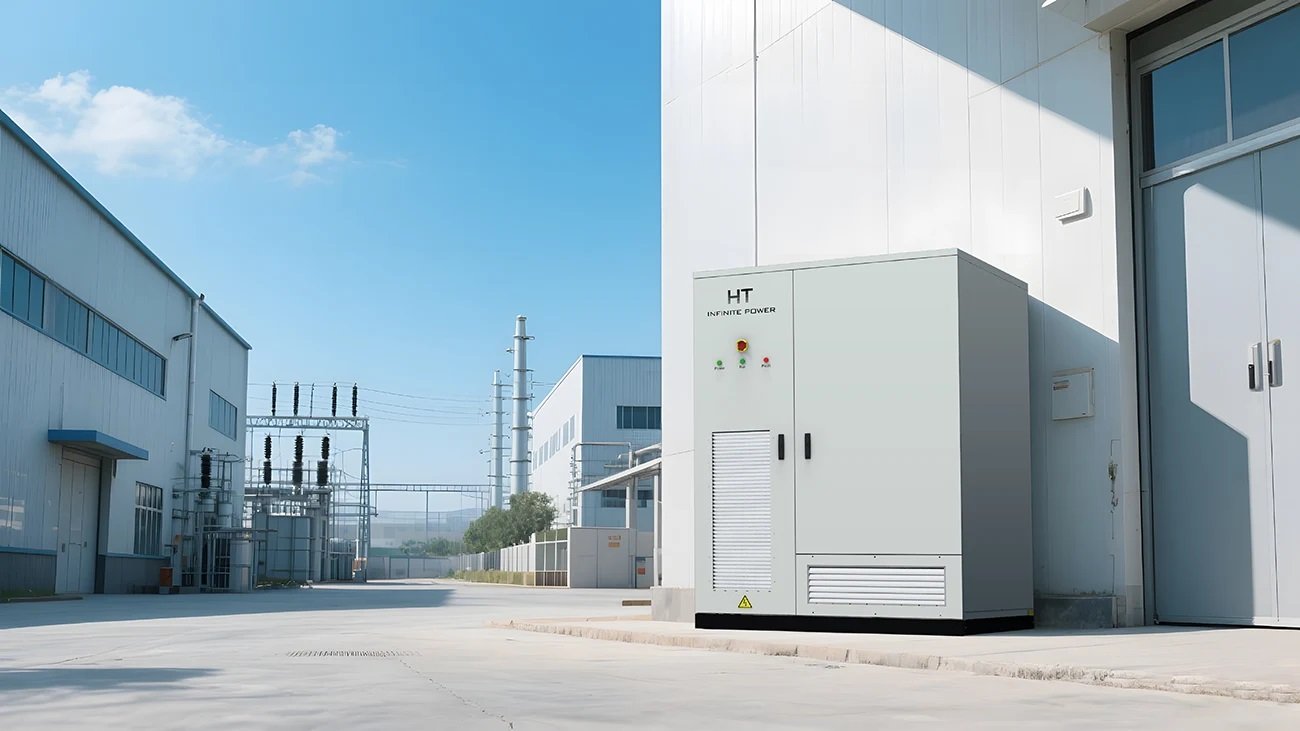
The rapid increase in solar energy production has put significant strain on Vietnam's electrical grid, necessitating the development of energy storage solutions to maintain grid stability. The intermittent nature of solar power, which fluctuates with sunlight, can lead to supply-demand imbalances, causing instability in the grid. Energy storage solutions, such as batteries or pumped hydro storage, can store excess solar energy during peak production times and release it during periods of low solar output, thereby smoothing out the supply and maintaining grid stability. "The Ministry of Finance noted..." that the government is actively seeking ways to integrate these solutions into the national energy strategy.
The integration of energy storage systems is also crucial for the economic efficiency of solar power. Without storage, the value of solar energy is diminished during periods of low demand, as excess energy is either wasted or sold at a lower rate. "According to VASEP...", the deployment of energy storage can increase the value of solar energy by allowing it to be sold when demand, and thus prices, are higher. This not only improves the economics of solar power but also makes it a more reliable and valuable resource for the grid.
The demand for energy storage solutions is expected to grow significantly as Vietnam continues to expand its solar capacity. "Per Bloomberg...", the country's solar power capacity is projected to increase dramatically in the coming years, which will place even greater stress on the electrical grid. The development and deployment of energy storage technologies will be essential to accommodate this growth and ensure the stability and reliability of the grid.
Lastly, energy storage solutions are also crucial for the broader energy transition in Vietnam. As the country moves towards a more sustainable and diverse energy mix, the ability to store and manage different forms of energy becomes increasingly important. Energy storage can help integrate various renewable energy sources, such as wind and solar, into the grid, reducing the reliance on fossil fuels and contributing to the country's environmental goals. This transition will require significant investment in energy storage infrastructure, presenting opportunities for both domestic and international investors.
Distributed Energy Generation Grows in Vietnam
Vietnam's solar power capacity has seen a significant increase, with the country's cumulative installed solar capacity reaching 1,600 megawatts (MW) by the end of 2019, a substantial rise from the 12 MW installed in 2017, per Bloomberg. This surge in capacity is attributed to the attractive feed-in tariffs introduced by the government, which have incentivized both domestic and foreign investment in solar energy projects. The rapid growth in solar power capacity implies a significant shift towards renewable energy, which is expected to continue as the government aims to increase the share of renewables in the energy mix.
The growth in distributed energy generation, particularly solar, has also led to an increase in the number of rooftop solar installations across Vietnam. According to VASEP, the number of rooftop solar power systems installed in Vietnam reached 120,000 by the end of 2020, a significant jump from the 22,000 systems installed in 2019. This trend indicates a growing interest among households and businesses in generating their own electricity, reducing their reliance on the traditional grid and potentially leading to a more decentralized energy system.
However, the rapid expansion of distributed energy generation has also posed challenges for Vietnam's power grid. The grid, which was not initially designed to accommodate a high volume of decentralized energy sources, is struggling to manage the fluctuations in power supply and demand, especially during peak solar generation hours. This situation has led to concerns about grid stability and the need for grid modernization to integrate renewable energy sources effectively.
The Ministry of Finance noted that to address these challenges, the government is considering revising the feed-in tariffs for solar power and introducing new policies to manage the integration of renewable energy into the grid. These policy changes are expected to influence the pace of solar power development in Vietnam, potentially leading to a more sustainable and stable growth trajectory for the sector.
Global Outlook for Solar Energy in 2026
The global solar energy market is poised for significant growth in 2026, with 43% of the world's electricity expected to come from renewable sources, according to Bloomberg. This surge in renewable energy is driven by the falling costs of solar panels and the increasing efficiency of solar technology. The implications are profound for the energy sector, as the shift towards solar energy could lead to a decrease in reliance on fossil fuels, reducing greenhouse gas emissions and contributing to global efforts to combat climate change.
Investment in solar energy is also expected to rise, with the International Energy Agency (IEA) projecting that $4 trillion will be invested in renewable energy by 2030. This investment is crucial for scaling up solar capacity and improving grid infrastructure to handle the increased energy load. The influx of capital is likely to drive innovation in solar technology, making solar energy more competitive and accessible. This trend could potentially disrupt traditional energy markets and create new opportunities for investors looking to capitalize on the growing renewable energy sector.
The growth of solar energy is not without its challenges. One of the primary concerns is the integration of solar power into existing electricity grids, which were not designed to handle the intermittent nature of solar energy. This requires significant upgrades and investments in grid infrastructure to ensure stability and reliability. The Ministry of Finance noted the need for policy support and incentives to encourage these investments, highlighting the role of government in facilitating the transition to renewable energy sources.
Lastly, the geopolitical landscape also plays a role in the global outlook for solar energy. Countries with abundant sunlight and the political will to invest in solar energy are likely to see the most significant growth. This could lead to a shift in the global energy dynamics, with countries that successfully harness solar power potentially becoming major players in the energy market. The strategic importance of solar energy is underscored by its potential to reduce energy import dependence and enhance energy security.
The rapid growth of solar power, as highlighted by the 40% increase in global solar capacity, presents both challenges and opportunities for investors. The need for significant grid infrastructure upgrades to handle the intermittent nature of solar energy suggests that companies involved in smart grid technology and energy storage solutions could be poised for growth. Additionally, the geopolitical landscape indicates that countries with abundant sunlight and supportive policies will likely lead in solar energy adoption, potentially offering lucrative investment opportunities in these regions.
The strategic importance of solar energy, underscored by its potential to reduce energy import dependence, implies that there will be a continued push for solar power development. Investors may consider focusing on companies that are at the forefront of solar technology innovation and those that are well-positioned to capitalize on the global shift towards renewable energy sources. The data suggests that the solar energy sector is not only growing but also reshaping the global energy market, with significant implications for energy security and the environment.