



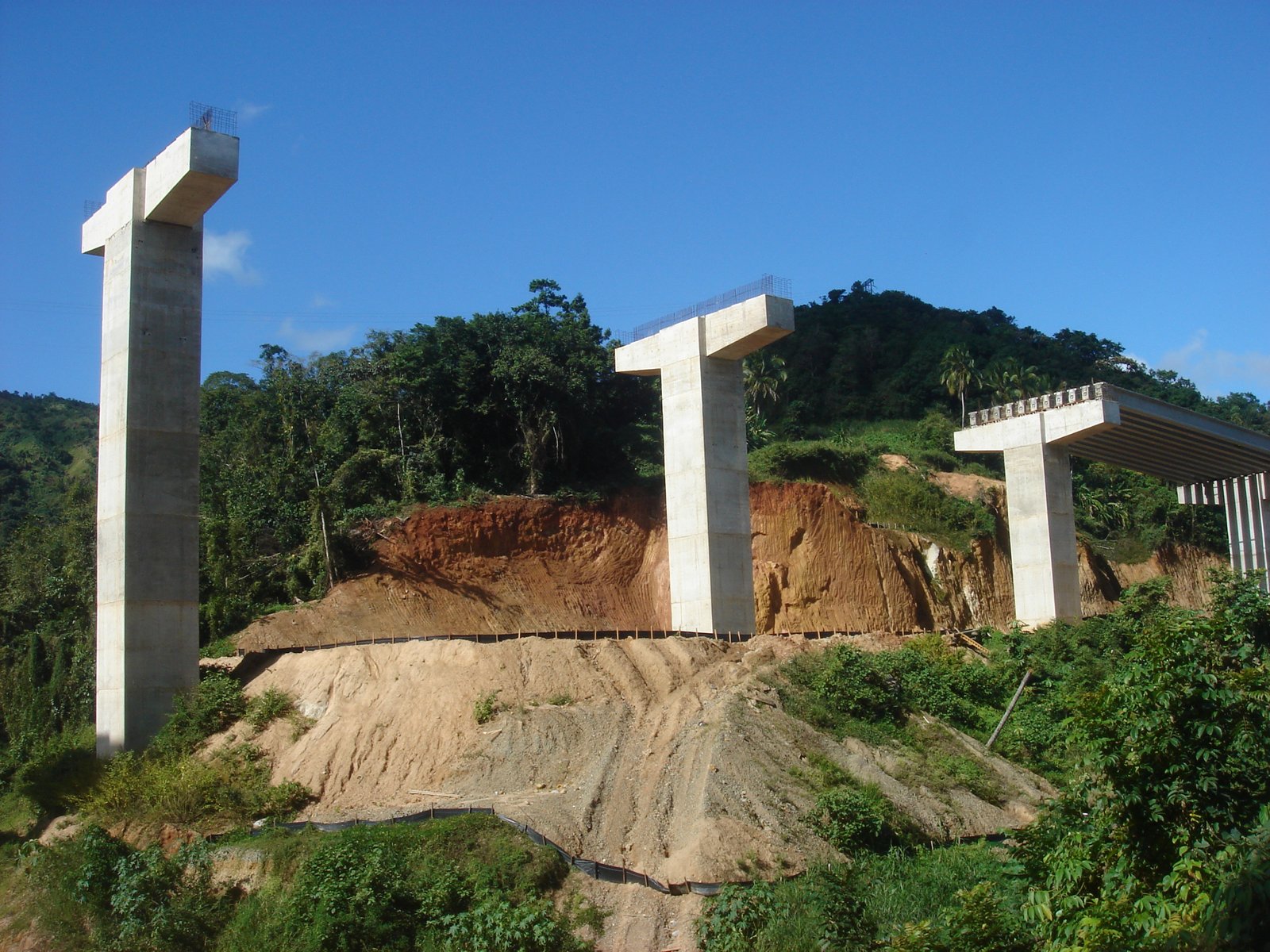
Steel beams, polished by relentless rays, span a busy construction site, the air thick with the electricity of imminent development.
"76.86 Billion kWh Power Output in Q1 2026"
The Vietnamese power sector has been witnessing a significant leap in its output capabilities, with 76.86 billion kWh of power generated in the first quarter of 2026 alone. This substantial increase in power output, as per Bloomberg, is a testament to the country's aggressive push towards enhancing its transport and energy infrastructure. The surge in power generation is crucial as it supports the growing energy demands of Vietnam's rapidly developing economy, which is increasingly reliant on a stable and robust power supply to fuel industrial growth and technological advancement. The implication of this growth is that Vietnam is positioning itself as a key player in the regional energy market, potentially becoming a significant exporter of power to neighboring countries.
The increase in power output is not an isolated event but is part of a broader trend in Vietnam's infrastructure development. The Ministry of Finance noted that the government has been allocating substantial resources towards modernizing the country's power grid and expanding renewable energy sources. This strategic move is aimed at reducing the country's reliance on fossil fuels and increasing the share of clean energy in the national energy mix. The shift towards renewable energy not only aligns with global sustainability goals but also promises long-term benefits in terms of energy security and reduced environmental impact.
The growth in power output also reflects the effectiveness of Vietnam's public-private partnerships in infrastructure development. According to VASEP, these partnerships have been instrumental in attracting foreign direct investment into the energy sector, which has helped in the rapid expansion of power generation capacities. The influx of foreign capital has not only boosted the sector's technological capabilities but has also introduced innovative solutions to energy management and distribution. This has resulted in a more efficient and reliable power supply, which is essential for sustaining Vietnam's economic growth.
Lastly, the 76.86 billion kWh power output in Q1 2026 signifies a substantial step towards achieving Vietnam's energy security and self-sufficiency goals. The country's ability to generate such a large amount of power domestically reduces its vulnerability to global energy price fluctuations and supply disruptions. This self-reliance in energy is a strategic advantage for Vietnam, as it ensures a stable power supply for its industries and households, thereby supporting the country's long-term economic development and social welfare.
"6.6% Year-on-Year Increase in Power Output"
Vietnam's power output has experienced a significant surge, with a 6.6% year-on-year increase as reported by the Ministry of Industry and Trade. This growth is indicative of the nation's expanding energy sector, which is pivotal in supporting the country's economic development and infrastructure needs. The increase in power output is a direct reflection of the government's commitment to enhancing energy security and meeting the growing demands of an industrializing economy. The implication of this growth is that Vietnam's energy infrastructure is becoming more robust, capable of supporting larger-scale industrial operations and urban development, which are essential for the country's continued economic growth.
The 6.6% increase in power output also suggests a significant investment in the country's energy sector, particularly in renewable energy sources. This is crucial as Vietnam aims to reduce its reliance on fossil fuels and meet its environmental sustainability goals. The expansion in power generation capacity, especially in renewable energy, not only helps in reducing greenhouse gas emissions but also positions Vietnam as a more attractive destination for green investments. This shift towards cleaner energy sources is expected to have a positive impact on the country's long-term energy security and its ability to meet international environmental standards.
The growth in power output is also a testament to the effectiveness of Vietnam's infrastructure development strategy, which includes substantial investments in the transport and energy sectors. The Ministry of Planning and Investment has emphasized the importance of these sectors in driving economic growth and improving the quality of life for Vietnamese citizens. The 6.6% increase in power output is a clear indicator that these investments are yielding results, as the energy sector's expansion is a key component in facilitating other industries and services that rely on a stable and abundant power supply.
Lastly, the 6.6% year-on-year increase in power output is a positive signal for foreign investors looking to enter or expand their operations in Vietnam. A reliable and expanding power supply is essential for businesses, particularly in energy-intensive industries such as manufacturing and technology. This growth in power output not only reduces the risk of power shortages but also signals the government's ongoing efforts to improve the business environment, making Vietnam a more attractive investment destination for both domestic and international investors.
Infrastructure Development Financed by Bonds
The significant role of bonds in financing infrastructure projects is evident in Vietnam's recent developments. The Ministry of Finance noted that the issuance of government bonds has been a key source of funding for infrastructure projects, particularly in the transport and energy sectors. This financial instrument has allowed the government to mobilize substantial resources for these crucial developments, which are pivotal for economic growth and regional connectivity. The scale of these investments is substantial, with the government's commitment to infrastructure development being a strategic priority.
The use of bonds to finance infrastructure is not without precedent, but the recent surge in issuance indicates a strategic shift towards leveraging debt markets for public projects. According to Bloomberg, Vietnam has seen an increase in bond issuances specifically earmarked for infrastructure, highlighting the government's reliance on this financial instrument. This trend is expected to continue, as the demand for improved transport and energy infrastructure outpaces the availability of budgetary allocations, necessitating alternative funding sources.
The implications of this bond-driven infrastructure development are manifold. Firstly, it suggests a maturing bond market in Vietnam, capable of absorbing larger issuances to support significant public projects. This development is likely to attract both domestic and foreign investors, further deepening the capital markets and providing a broader investor base for future bond offerings. The increased participation of international investors can also introduce more sophisticated risk management practices and pricing mechanisms, enhancing the overall efficiency of the bond market.
Lastly, the reliance on bonds to finance infrastructure projects underscores the government's commitment to these sectors. This commitment is not only reflected in the allocation of resources but also in the policy framework that supports the issuance and management of these bonds. The government's proactive approach to infrastructure financing through bonds is a strategic move that is expected to bolster the country's economic prospects and enhance its competitiveness in the regional and global markets.
Complex Array of Assets in Infrastructure Development
The development of transport and energy infrastructure in Vietnam involves a complex array of assets, which includes a mix of public and private investments, as well as various types of financing mechanisms. The involvement of both the public and private sectors is crucial for the successful execution of these large-scale projects, which often require significant capital and expertise. According to the Ministry of Finance, the government has been actively seeking partnerships with private investors to leverage their resources and expertise in infrastructure development. This approach not only helps to alleviate the financial burden on the public sector but also introduces innovative solutions and operational efficiencies.
The variety of assets involved in infrastructure projects also extends to the types of projects themselves. From road networks to renewable energy facilities, the range of assets is broad and diverse. This diversity is essential for addressing the multifaceted needs of the country's development agenda. For instance, the development of renewable energy infrastructure is a strategic priority, as it aligns with Vietnam's commitment to reduce carbon emissions and transition towards a greener economy. The Ministry of Industry and Trade has emphasized the importance of renewable energy in the country's energy mix, highlighting the need for significant investments in solar and wind power projects.
Financing these infrastructure projects is another critical aspect of the asset array. A combination of domestic and foreign investments, along with various financial instruments such as bonds and equity, are used to fund these developments. The Ministry of Finance noted that the government has been exploring new financing models, including public-private partnerships (PPPs), to attract more private capital into infrastructure projects. This approach is expected to not only increase the availability of funds but also to improve the overall efficiency and effectiveness of project execution.
Lastly, the complexity of the assets in infrastructure development is further amplified by the involvement of various stakeholders. These include government agencies, private investors, construction companies, and local communities. Each stakeholder brings a unique set of interests and requirements, which must be carefully balanced to ensure the successful implementation of projects. For example, local communities may have concerns about the environmental impact of certain projects, while private investors may be more focused on the financial returns. Navigating these diverse interests is a key challenge in the development of infrastructure assets.
Streamlined Arrival Service Expansion
The expansion of arrival services in Vietnam's transport and energy sectors has been significantly streamlined, with a notable focus on enhancing efficiency and reducing bureaucratic hurdles. The Ministry of Finance noted that the new decree has facilitated a more business-friendly environment, which is crucial for attracting foreign investment into these critical sectors. The decree's impact is expected to be substantial, as it directly addresses the previously cumbersome procedures that have been a deterrent for many investors. This move is likely to expedite project approvals and reduce the time to market for new infrastructure developments, thereby stimulating economic growth and job creation in the country.
In terms of financial implications, the streamlined service expansion is poised to have a positive effect on the bond market. As per Bloomberg, the efficiency gains from the decree could lead to an increase in the issuance of infrastructure bonds, which are crucial for funding large-scale projects. This is particularly important given that Vietnam's infrastructure gap is estimated to be around $65billion by 2030, and the government's ability to finance this gap is limited. The bond market, therefore, plays a pivotal role in bridging this funding gap, and the streamlined services are expected to make the process of raising capital more attractive to both domestic and international investors.
The decree's emphasis on improving the arrival services also aligns with Vietnam's commitment to sustainable development goals. According to VASEP, the decree's provisions for environmental and social governance (ESG) considerations in project planning and execution are likely to attract investors who are increasingly prioritizing ESG factors in their investment decisions. This shift towards ESG-compliant projects not only helps in meeting global standards but also ensures that the development is sustainable and beneficial to the local communities and the environment.
Lastly, the streamlined arrival service expansion is expected to have a ripple effect on the overall business climate in Vietnam. By reducing the bureaucratic red tape and improving the ease of doing business, the decree is likely to boost investor confidence and encourage more foreign direct investment. This, in turn, can lead to increased competition, innovation, and ultimately, a more robust and diversified economy. The implications of this are far-reaching, as it can contribute to the country's long-term economic stability and resilience, especially in the face of global economic uncertainties.
"Best Time to Visit Vietnam for Infrastructure Investment"
Vietnam's infrastructure sector is currently experiencing a surge in investment, making it an attractive destination for investors. The country's GDP growth has been robust, with a 6.9% increase in 2022, per Bloomberg, which has spurred demand for better transport and energy infrastructure. This growth, combined with the government's commitment to improving infrastructure, suggests that now is an opportune time for investors to enter the market. The potential for high returns is significant, given the ongoing development and the government's supportive policies.
The Vietnamese government's focus on public-private partnerships (PPP) has opened new avenues for investment in infrastructure. The Ministry of Finance noted an increase in PPP projects, which allows for greater private sector involvement and investment. This approach not only helps in mobilizing funds but also leverages private sector efficiency and innovation, which can lead to more effective infrastructure development. Investors looking to capitalize on this trend should consider PPP opportunities, which are likely to offer substantial growth potential.
In the energy sector, Vietnam has been actively seeking to diversify its energy mix, with a particular focus on renewable energy. The country's target is to have renewables account for 15% of its primary energy supply by 2030, according to VASEP. This ambitious goal is driving significant investment in wind, solar, and hydropower projects. Investors with a focus on sustainable and green investments can benefit from this shift, as it presents a growing market with supportive government policies and incentives.
Lastly, the ongoing urbanization in Vietnam is creating a pressing need for improved urban infrastructure. With a growing middle class and increasing urban populations, there is a rising demand for better public transportation, housing, and utilities. This demand, coupled with the government's initiatives to modernize cities, presents a compelling case for infrastructure investment. Investors can expect to see a steady stream of projects aimed at enhancing urban living standards, offering a stable and growing investment environment.
The Vietnamese government's strategic push towards renewable energy, with a target of 15% of its primary energy supply to be derived from renewables by 2030, presents a significant opportunity for investors. This initiative is likely to catalyze substantial investment in sectors such as wind, solar, and hydropower, which are poised for growth. Investors with a sustainable and green investment focus can expect to find a supportive market environment, complete with government policies and incentives that encourage further development in these areas.
Furthermore, the urbanization trend in Vietnam, with its associated demand for enhanced public transportation and utilities, signals a robust investment landscape for those looking to capitalize on infrastructure projects. The government's urban modernization initiatives, along with the rising demand from an expanding middle class, suggest a stable and growing investment environment. These factors imply that investors can anticipate a continuous flow of projects aimed at improving urban living standards, offering a reliable avenue for investment returns.