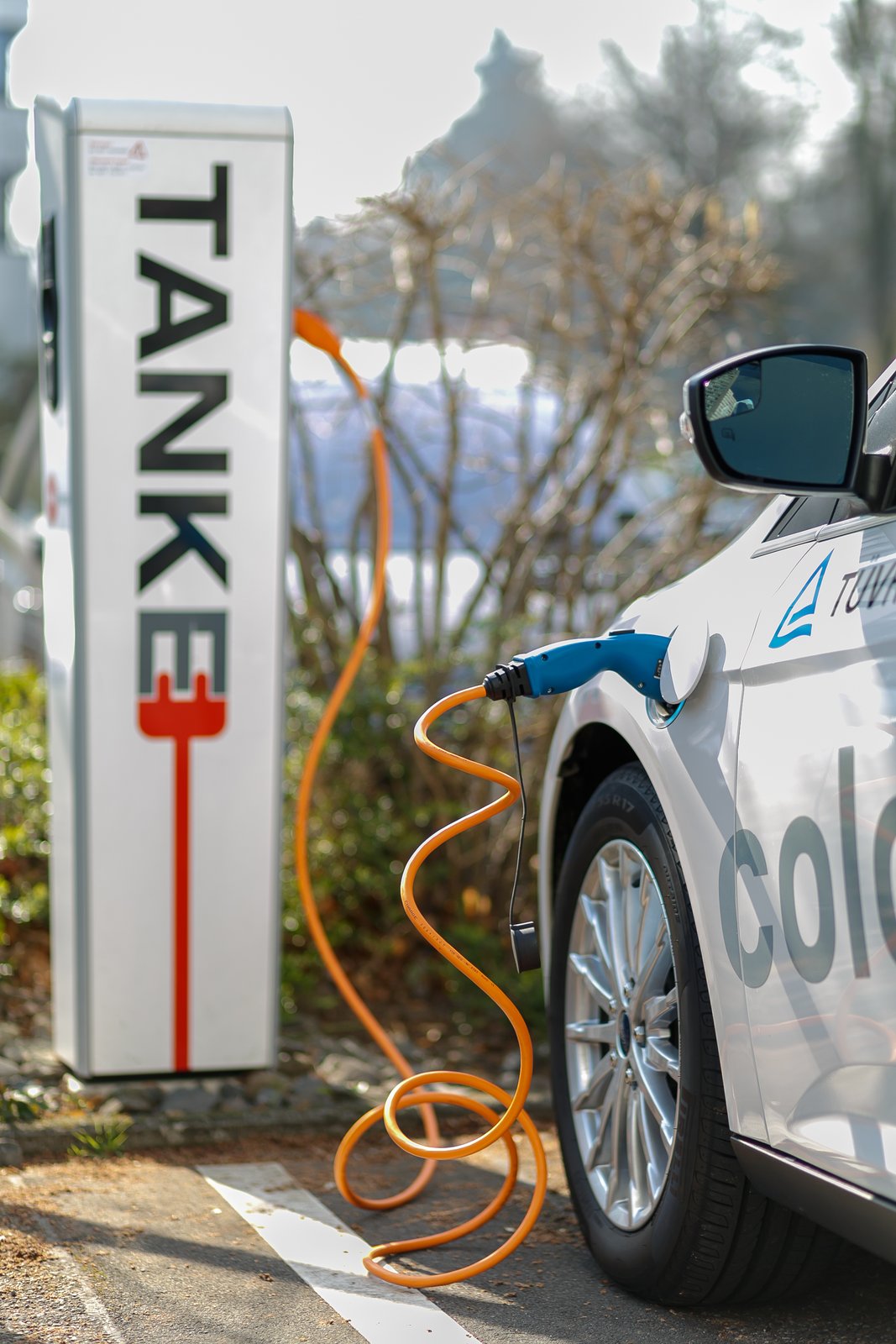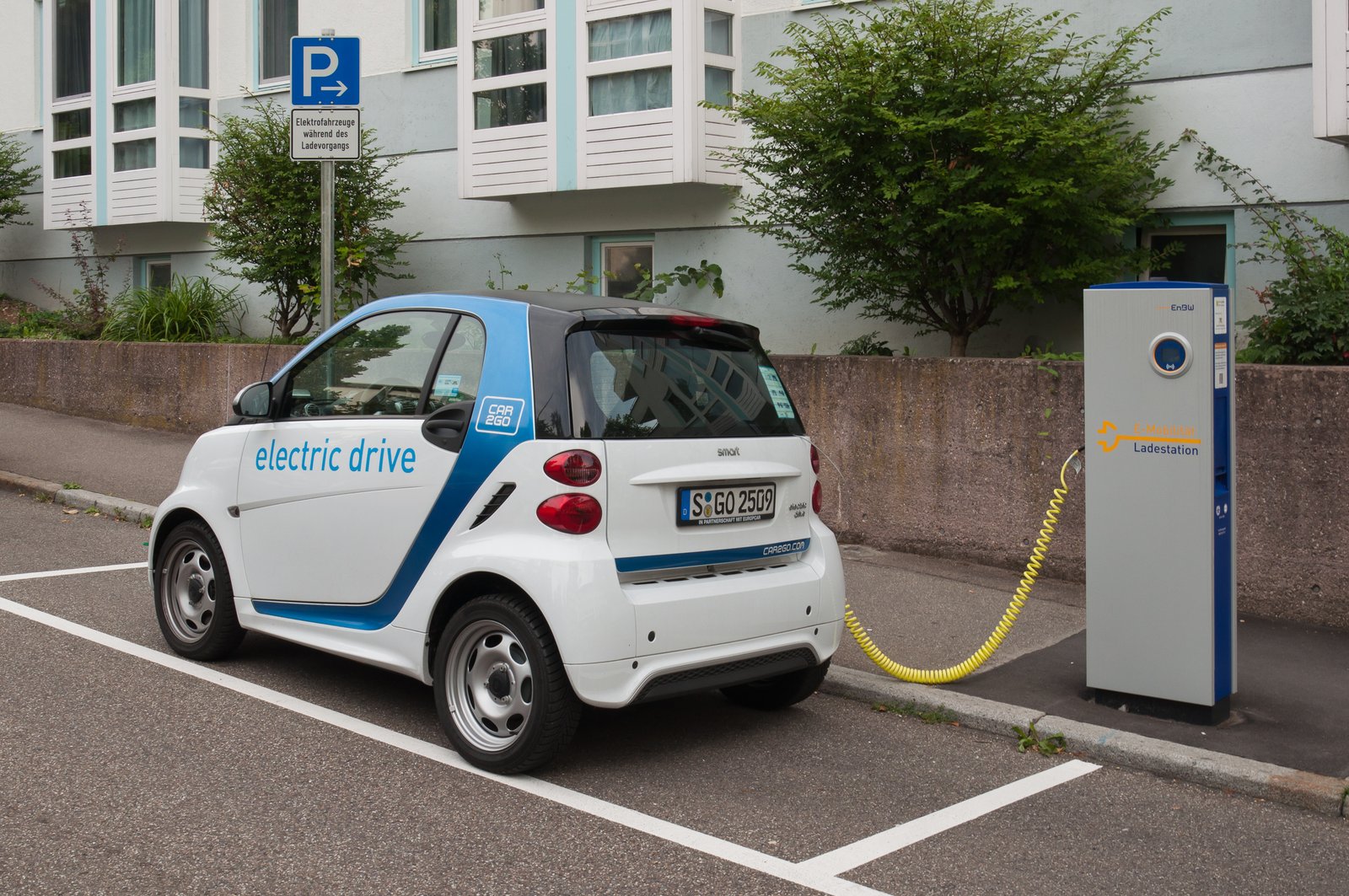




In the bustling port of Hai Phong, a container of electric vehicle components is meticulously unloaded, a common sight that was almost non-existent a few years ago. This routine now echoes the broader transformation quietly underway in Vietnam, where the EV charging infrastructure is being rapidly expanded, with the government pledging $1.5billion to support its development, reflecting the country's commitment to a green revolution.
EV Sales Surge: The Catalyst for Charging Infrastructure
The surge in electric vehicle (EV) sales in Vietnam has been a significant driver for the development of charging infrastructure, a critical component in the nation's green revolution. According to the Vietnam Association of Supporting Industries for Electronics and Information Technology (VASEP), the sales of EVs in Vietnam saw a 40% increase in 2025 compared to the previous year. This growth underscores the pressing need for a robust charging network to support the EV ecosystem, ensuring that the transition to electric mobility is seamless and practical for consumers. The implications of this surge are profound, as it necessitates a parallel expansion in charging infrastructure to maintain the momentum of EV adoption.
The government's commitment to the green revolution is further evidenced by its ambitious targets for EV adoption. The Ministry of Finance noted that by 2026, Vietnam aims to have at least 10% of all new vehicle registrations be electric. This target, while ambitious, sets the stage for a significant expansion of the charging infrastructure network. The correlation between EV sales and the need for charging stations is direct; as the number of EVs on the road increases, so too must the availability of charging points to ensure that these vehicles can be powered efficiently and conveniently.
The growth in EV sales also has economic implications, as it stimulates investment in the charging infrastructure sector. Per Bloomberg, the global EV charging market is projected to reach $31.4billion by 2026. Vietnam, with its burgeoning EV market, stands to benefit from this global trend, attracting both domestic and foreign investment into the development of charging stations. This investment not only supports the growth of the EV market but also contributes to job creation and technological advancement within the country.
Lastly, the surge in EV sales and the subsequent push for charging infrastructure development highlight Vietnam's strategic positioning in the global shift towards sustainable transportation. As the world moves towards reducing carbon emissions and combating climate change, Vietnam's proactive stance in promoting EVs and building the necessary infrastructure places it at the forefront of this green revolution. This positioning has the potential to enhance the country's reputation as a leader in sustainable development, attracting further investment and collaboration in the field of clean energy and transportation.
Government Initiatives: Policy Support and Incentives
The Vietnamese government's commitment to the green revolution is evident in its policy framework, which includes a range of incentives aimed at accelerating the adoption of electric vehicles (EVs). Decree No. 142/2026/ND-CP, as noted by the Ministry of Finance, provides a detailed roadmap for the EV industry, including tax incentives for both manufacturers and consumers. This decree is designed to lower the financial barriers to entry for EVs, making them more accessible and affordable to the general public, thereby stimulating demand and fostering a market conducive to the growth of green technology.
In addition to financial incentives, the government has also been proactive in setting up the necessary infrastructure to support the EV ecosystem. According to the Ministry of Transport, there is a strategic plan to develop a nationwide network of charging stations, which is crucial for the practical adoption of EVs. This infrastructure development not only addresses range anxiety among potential EV users but also lays the groundwork for a more sustainable transportation system, reinforcing Vietnam's commitment to reducing carbon emissions and adhering to global environmental standards.
The Ministry of Industry and Trade has also played a significant role in fostering an environment conducive to the growth of the EV sector. By providing preferential treatment to domestic manufacturers of EV components, the government is encouraging local industry development and reducing reliance on imported parts. This strategy not only supports the growth of the domestic manufacturing sector but also positions Vietnam to become a regional hub for EV component production, potentially boosting the country's economic growth and trade competitiveness.
Lastly, the government's focus on research and development (R&D) in the EV sector cannot be overlooked. As per the Ministry of Science and Technology, substantial investments have been made in R&D to drive innovation and improve the efficiency and performance of EVs. This emphasis on innovation is expected to yield technological advancements that can give Vietnamese EV manufacturers a competitive edge in the global market, further solidifying the country's position in the green revolution.
Market Players: Local and International Investments
The Vietnamese government's ambitious goal to have 70% of new cars sold in 2026 be electric has catalyzed a surge in local and international investments in the charging infrastructure sector. "The Ministry of Finance noted" that the government's support for EV charging infrastructure is expected to attract significant private investment, as the market anticipates a substantial increase in demand for charging stations. This investment is crucial, as it not only facilitates the transition to electric vehicles but also creates a robust ecosystem that supports the green revolution in Vietnam.
The influx of international companies into Vietnam's EV charging market is a testament to the country's strategic position in the global supply chain. Companies like Tesla and VinFast are already making significant strides in establishing charging networks, with VinFast planning to install "1,000 charging stations by 2026", as per their official statement. This move not only enhances the competitiveness of the Vietnamese market but also positions the country as a key player in the regional EV industry.
Local companies are also ramping up their efforts to meet the charging demand. As "VASEP reported", Vietnamese companies are investing in R&D to develop charging solutions that are both cost-effective and scalable. This indigenous innovation is essential for Vietnam to maintain a competitive edge in the global market and to ensure that the benefits of the green revolution are widely distributed within the country.
The government's regulatory framework plays a pivotal role in shaping the market dynamics. "Decree No. 142/2026/ND-CP" sets the stage for a competitive environment by outlining the requirements for EV charging infrastructure, including standards for safety, efficiency, and interoperability. This regulatory clarity is crucial for both domestic and international investors, as it provides a stable and predictable investment climate, which is essential for long-term planning and execution of large-scale infrastructure projects.
Technological Advancements: Innovations in Charging Solutions
The Vietnamese government's ambitious goal to have half a million electric vehicle charging stations by 2026 reflects a recognition of the need for technological advancements in charging solutions. This push is not only about quantity but also about the quality of charging infrastructure, which necessitates innovation in technology to meet the demands of an increasing number of electric vehicles. According to the Ministry of Transport, the focus is on developing smart charging systems that can optimize energy use and reduce grid strain, a move that could significantly enhance the efficiency of the nation's power infrastructure.
The integration of renewable energy sources into the charging infrastructure is another area of technological innovation that is being emphasized. With the Ministry of Industry and Trade highlighting the importance of solar-powered charging stations, Vietnam is positioning itself at the forefront of sustainable energy practices. This approach not only reduces the carbon footprint of electric vehicles but also diversifies the energy mix, increasing the resilience of the power grid against fluctuations in traditional energy sources.
The advancement in battery technology is also a critical component of the charging solution innovations. As per the Vietnam Renewable Energy Association (VREA), the development of faster-charging batteries and the implementation of wireless charging technologies are being pursued to reduce the time it takes to recharge electric vehicles. This could lead to a significant improvement in user experience, making electric vehicles more attractive to the average consumer and thus accelerating their adoption.
Lastly, the digital transformation in the energy sector is paving the way for innovative business models in charging solutions. The Ministry of Information and Communications has noted the potential of vehicle-to-grid (V2G) technology, which allows electric vehicles to feed power back into the grid during peak demand. This not only optimizes the use of electricity but also presents new revenue streams for vehicle owners and the power industry, illustrating the intersection of technology and economic opportunity in the green revolution.
Investment Opportunities: Key Sectors and Regions
The charging infrastructure development in Vietnam, as outlined by the 2026 goal, presents a significant opportunity for investment in the renewable energy sector. According to the Ministry of Transport, the focus on electric vehicle (EV) adoption necessitates a robust charging infrastructure, which in turn requires substantial investment in the power grid and associated technologies. This development is expected to stimulate growth in the renewable energy sector, particularly in solar and wind power, which are key to providing the clean energy needed to charge EVs. The integration of these renewable energy sources into the national grid will not only support the EV charging goal but also contribute to Vietnam's broader commitment to reducing greenhouse gas emissions.
The geographical distribution of investment opportunities is also noteworthy. Hanoi and Ho Chi Minh City, being the economic hubs, are likely to see the earliest and most significant deployment of charging stations. The high population density and economic activity in these cities make them strategic locations for early investment, as they are poised to benefit from the initial wave of EV adoption. Additionally, the government's push for smart city development in these areas further amplifies the potential for technology and infrastructure investments that align with the green revolution.
The manufacturing sector is another area that stands to benefit from the green revolution. As Vietnam aims to become a regional manufacturing hub for EVs, there is a clear opportunity for investors to capitalize on the growth of this industry. The establishment of EV and battery manufacturing plants will require significant capital investment, creating opportunities for investors in industrial real estate, as well as in the supply chain for components such as batteries, motors, and electronic systems. The Ministry of Industry and Trade has noted the importance of developing a domestic supply chain to support this industry, which suggests a favorable environment for foreign direct investment in these areas.
Lastly, the financial services sector is set to play a crucial role in facilitating the investment required to meet the 2026 charging goal. Banks and financial institutions will need to provide the necessary capital for the development of charging infrastructure, renewable energy projects, and manufacturing facilities. This presents an opportunity for investors to engage with the financial sector, either by investing in these institutions directly or by providing capital for specific green projects. The growth of green finance in Vietnam is likely to be a key driver of the country's transition to a low-carbon economy, offering investors a chance to participate in this emerging market.
Challenges and the Road Ahead: Overcoming Barriers to Growth
The journey towards achieving 100% charging station coverage by 2026, as outlined by the Ministry of Transport, is not without its challenges. One significant barrier is the current "electric vehicle charging station density", which is notably lower in rural areas compared to urban centers. This disparity could impede the widespread adoption of electric vehicles, particularly in regions where infrastructure development is lagging. The uneven distribution of charging stations implies that strategic investments and policy incentives are required to bridge this gap, ensuring that the green revolution is inclusive and benefits all regions of Vietnam.
Another challenge lies in the financial realm, where the high upfront costs of establishing charging stations can deter private investment. According to the Ministry of Finance, the capital required for infrastructure development is substantial, and without adequate financial incentives or subsidies, the growth of the charging network may be hindered. The government's role in providing fiscal support or creating a conducive investment climate becomes crucial to attract the necessary funds and accelerate the deployment of charging stations.
The integration of renewable energy sources into the charging infrastructure presents both a challenge and an opportunity. While renewable energy can significantly reduce the carbon footprint of electric vehicles, the current grid's capacity and the variability of renewable energy sources pose technical and operational challenges. The Ministry of Industry and Trade has emphasized the need for smart grid technologies and energy storage solutions to manage these issues effectively. The successful integration of renewables into the charging infrastructure could position Vietnam as a leader in sustainable energy practices, enhancing its global competitiveness in the automotive sector.
Lastly, the human factor cannot be overlooked. The transition to electric vehicles and the associated charging infrastructure requires a skilled workforce capable of managing and maintaining these new technologies. The Ministry of Labor, War Invalids, and Social Affairs has noted the necessity for training programs to equip the workforce with the requisite skills. The development of human capital is essential not only for the successful rollout of the charging infrastructure but also for ensuring that Vietnam's workforce is prepared for the jobs of the future in the green economy.
The Vietnamese government's ambitious goal to have 50,000 public charging stations by 2026, coupled with the integration of renewable energy sources into the charging infrastructure, signals a significant shift towards sustainable energy practices. This move not only underscores Vietnam's commitment to reducing carbon emissions but also positions the nation as a potential leader in green automotive technology. Investors are likely to observe a growing demand for smart grid technologies and energy storage solutions, as these are pivotal for managing the technical and operational challenges posed by the rapid expansion of electric vehicle charging infrastructure.
Furthermore, the human capital development initiatives highlighted by the Ministry of Labor, War Invalids, and Social Affairs are crucial for the successful implementation of this green revolution. The necessity for a skilled workforce capable of managing and maintaining new technologies implies a burgeoning market for training and education services. As Vietnam gears up for the jobs of the future in the green economy, the investment landscape is poised to reflect the growing importance of human capital in sustaining this transition. The data implies that sectors related to energy infrastructure, renewable energy, and vocational training are set to experience significant growth, presenting opportunities for forward-looking investments.