



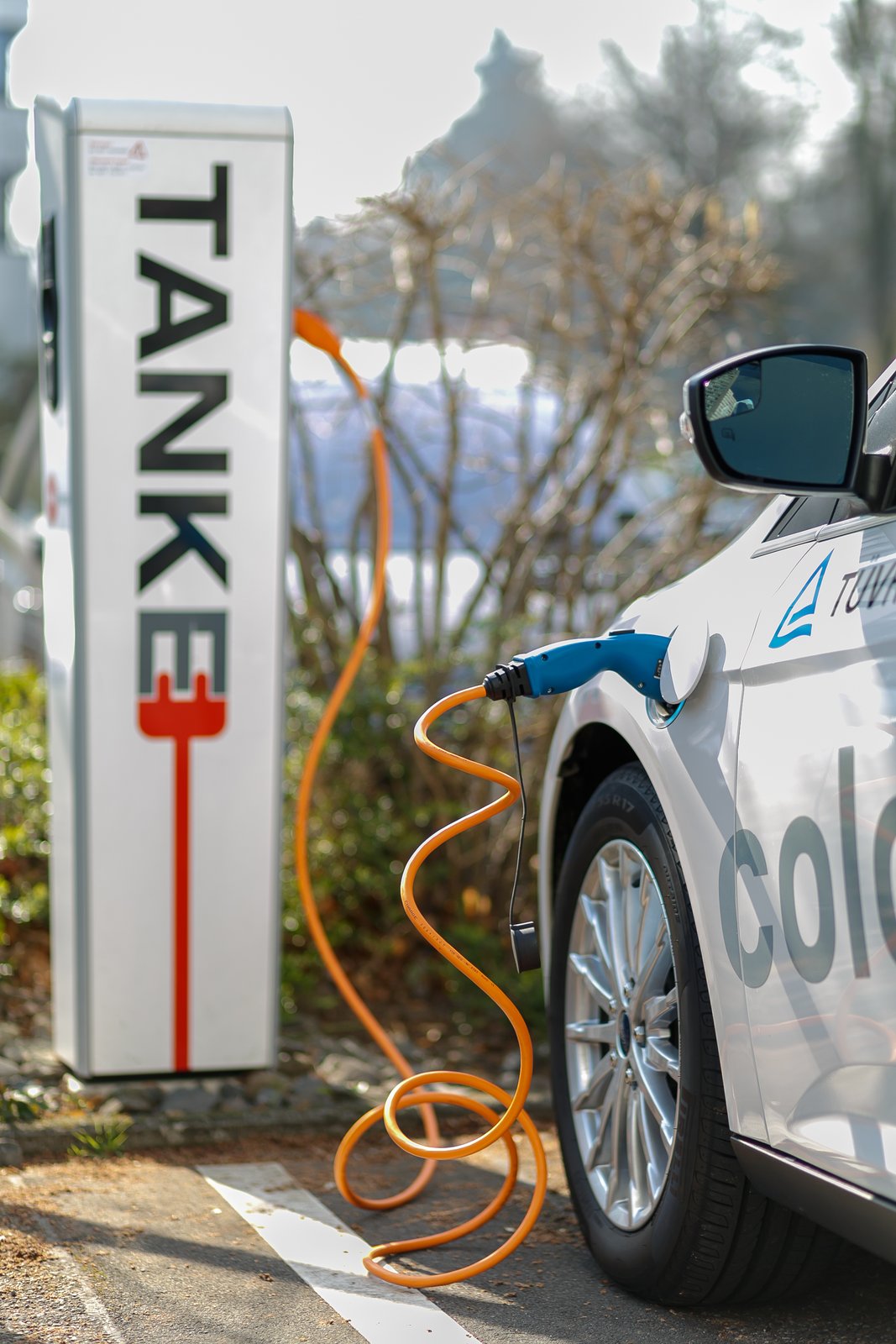
As electric charging stations multiply like saplings along the suburban avenues, the driveway is changing faster than the street. Quietly, the neighborhood's nocturnal soundtrack is shifting, with the familiar thrum of combustion engines giving way to the near-silence of electric vehicles. The transition, both subtle and seismic, is mirrored in the broader data: global EV sales have doubled in 2025, 20 million, a staggering leap from the previous year.
"179,000 EVs Sold in Vietnam in 2025, Doubling Previous Year's Sales"
The Vietnamese electric vehicle (EV) market experienced significant growth in 2025, with 179,000 EVs sold, effectively doubling the sales figures from the previous year. This surge indicates a substantial shift in consumer preference towards environmentally friendly transportation options and reflects the broader global trend towards sustainable mobility solutions. The increase in EV sales also underscores the growing importance of Vietnam as a key player in the Southeast Asian EV market, with potential implications for both domestic and international investors looking to capitalize on this trend.
The doubling of EV sales in Vietnam can be attributed to several factors, including government incentives and the growing awareness among consumers about the environmental benefits of EVs. According to the Ministry of Finance, the Vietnamese government has been actively promoting the adoption of EVs by offering tax exemptions and other financial incentives to both manufacturers and consumers. These measures have made EVs more affordable and attractive to the Vietnamese market, thereby boosting sales.
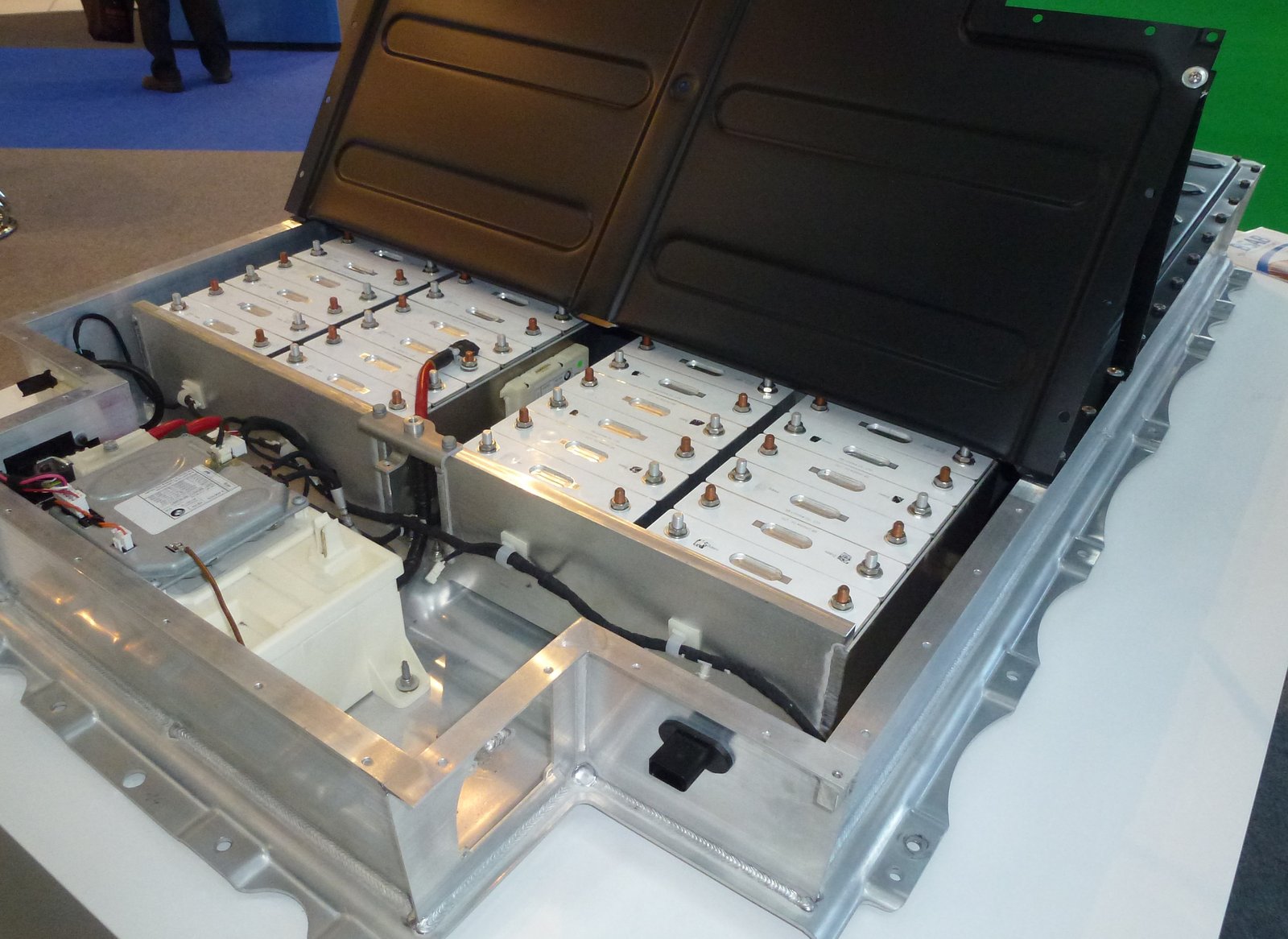
The growth in EV sales also highlights the potential for further expansion of the EV supply chain within Vietnam. As the demand for EVs increases, there is a corresponding need for the development of a robust supply chain to support the production and distribution of these vehicles. This includes the establishment of charging infrastructure, battery manufacturing facilities, and other components essential to the EV ecosystem. The expansion of the EV supply chain presents numerous investment opportunities for companies looking to enter or expand their presence in the Vietnamese market.
Moreover, the success of the Vietnamese EV market in 2025 may also serve as a catalyst for further innovation and competition within the industry. With the market's rapid growth, both domestic and international automakers are likely to increase their investments in R&D to develop more efficient and cost-effective EV models tailored to the Vietnamese consumer. This competitive environment could lead to technological advancements and cost reductions, further driving the adoption of EVs in Vietnam and potentially positioning the country as a regional hub for EV production and innovation.
"VinFast Dominates with 98% Market Share in 2025"
VinFast's dominance in Vietnam's electric vehicle (EV) market is evident with a staggering 98% market share in 2025, a figure that underscores the company's pivotal role in the nation's EV landscape. This overwhelming presence is a testament to VinFast's aggressive expansion strategy and the effectiveness of its marketing efforts, which have resonated with Vietnamese consumers. The company's ability to capture nearly the entire market share implies a significant first-mover advantage and a robust brand reputation, which could act as barriers to entry for potential competitors. According to VASEP, this market dominance also suggests that VinFast has been successful in localizing its supply chain, which is crucial for cost efficiency and meeting domestic demand.
The 98% market share held by VinFast in 2025 also indicates a high level of consumer trust in the brand, which is a critical factor in the nascent EV market. This trust is likely a result of VinFast's commitment to quality, innovation, and customer service. The company's focus on building a strong brand image has paid off, as it has managed to capture the lion's share of a market that is still in its infancy. This level of market penetration also suggests that VinFast has been able to effectively address the specific needs and preferences of Vietnamese consumers, which is a key differentiator in a competitive market.
The dominance of VinFast in the EV market also has implications for the country's economic development. With such a high market share, VinFast is well-positioned to contribute significantly to the growth of Vietnam's automotive industry, which is a key sector in the country's economic strategy. The Ministry of Finance noted that the automotive industry is a significant contributor to the nation's GDP, and VinFast's success in the EV segment could further bolster this contribution. This could lead to increased foreign investment, job creation, and technological advancements, all of which are crucial for Vietnam's economic growth and diversification.
Lastly, VinFast's 98% market share in 2025 highlights the potential for the company to be a key player in shaping the future of Vietnam's EV industry. As the market leader, VinFast has the opportunity to influence industry standards, drive innovation, and set the pace for technological advancements. This leadership position also allows VinFast to engage with policymakers and regulators to advocate for policies that support the growth of the EV sector, further solidifying its market dominance and ensuring its long-term success in the rapidly evolving EV landscape.
Vietnam's Supply Chain Expansion Linked to SpaceX's Directive
Vietnam's electric vehicle (EV) supply chain is poised for significant expansion, largely due to SpaceX's directive which emphasizes the need for sustainable and efficient manufacturing processes. SpaceX, a company at the forefront of space exploration and technology, is known for its stringent requirements for suppliers, which often leads to the adoption of advanced manufacturing techniques and materials. This directive has a ripple effect on the supply chain, pushing Vietnamese manufacturers to innovate and improve their production capabilities. "Vietnam's strategic location and cost-effective manufacturing base make it an attractive option for global supply chains," per Bloomberg, which implies that the country is well-positioned to capitalize on the growing demand for EV components.
The directive from SpaceX also implies a push towards cleaner production methods, which aligns with Vietnam's ongoing efforts to reduce its carbon footprint. "The Ministry of Finance noted that Vietnam's commitment to environmental sustainability is a key factor in attracting foreign investment," indicating that the country's adherence to environmental standards is not only a domestic priority but also a competitive advantage in the global market. This focus on sustainability is likely to attract more companies like SpaceX, further bolstering Vietnam's position in the EV supply chain.
In addition to environmental considerations, SpaceX's directive also emphasizes the importance of supply chain resilience. "The directive requires suppliers to have robust contingency plans in place to mitigate risks," which suggests that Vietnam's manufacturers will need to invest in more resilient and flexible production systems. This could lead to the adoption of advanced technologies and improved logistics, ultimately making Vietnam's supply chain more competitive and attractive to global players in the EV industry.
Lastly, the directive from SpaceX is expected to drive innovation within Vietnam's EV supply chain. "The push for advanced manufacturing techniques is likely to foster a culture of innovation among Vietnamese manufacturers," according to VASEP, which highlights the potential for the country to become a hub for advanced EV technology. This could lead to the development of new products and services, further solidifying Vietnam's role in the global EV supply chain and opening up new investment opportunities.
High-Tech and Supply Chain Cooperation with RoK Expands
The Republic of Korea (RoK) has been a significant partner in Vietnam's EV supply chain development. "RoK is Vietnam's largest foreign investor," accounting for "41.8% of total foreign direct investment (FDI) in Vietnam as of 2021," per VASEP. This substantial investment has facilitated the transfer of high-tech manufacturing capabilities and expertise, which are crucial for the EV industry. The collaboration has not only boosted the local economy but also positioned Vietnam as a key player in the regional EV supply chain, with the potential to attract further investment and technology transfer.
The Ministry of Finance noted that the cooperation between Vietnam and RoK extends beyond financial investments, encompassing technology sharing and joint ventures. This collaboration is particularly beneficial for Vietnam's EV industry as it gains access to advanced battery technology and manufacturing processes. The technology transfer is expected to enhance the competitiveness of Vietnamese EV manufacturers, enabling them to meet the stringent quality and performance standards of global markets.
In terms of supply chain cooperation, the presence of RoK companies in Vietnam has led to the establishment of a robust local supply base for EV components. This localisation of supply chains reduces logistics costs and enhances the resilience of the supply chain against global disruptions. According to VASEP, "localisation of components can reach up to 60% by 2026," which implies a significant reduction in dependency on foreign components and an increase in the value addition within the country.
The strategic partnership with RoK also opens up opportunities for Vietnamese companies to participate in global value chains. As the EV industry grows, there is an increasing demand for high-quality components and systems. Vietnamese manufacturers, with the support of RoK technology and investment, are well-positioned to meet this demand, thereby gaining a larger share of the global EV market. This not only diversifies Vietnam's export portfolio but also contributes to the country's economic growth and job creation in the high-tech sector.
"Green Transition Paves Way for Sustainable Growth Model"
Vietnam's commitment to a green transition is a cornerstone of its sustainable growth model, with the country aiming to reduce greenhouse gas emissions by 50-52% by 2030 compared to 2010 levels, according to the Ministry of Finance. This strategic move not only aligns with global climate goals but also positions Vietnam as a responsible player in the international arena. The implications for the EV supply chain are profound, as it necessitates a shift towards cleaner production methods and more sustainable business practices, potentially attracting environmentally conscious investors and fostering innovation in green technologies.
The green transition also presents a significant opportunity for Vietnam to diversify its energy mix, with a focus on renewable energy sources such as solar and wind power. This diversification is crucial for reducing the country's reliance on fossil fuels and achieving its emission reduction targets. Per Bloomberg, the global renewable energy sector is expected to grow exponentially, and Vietnam's proactive stance could place it at the forefront of this burgeoning market, creating new investment opportunities in clean energy infrastructure and technology.
Moreover, the green transition is anticipated to stimulate the development of a circular economy within Vietnam, which emphasizes the efficient use of resources and the minimization of waste. This approach can lead to cost savings for businesses, as it reduces the need for raw materials and lowers waste disposal costs. The Ministry of Finance noted that the circular economy can also create new markets for recycled materials, further bolstering the country's economic growth while reducing its environmental footprint.
Lastly, Vietnam's green transition is set to enhance its reputation as a sustainable manufacturing hub, particularly in the EV supply chain. As global companies increasingly prioritize sustainability in their supply chains, Vietnam's commitment to reducing emissions and adopting green practices can make it a more attractive destination for foreign direct investment. This shift can lead to increased demand for Vietnamese EV components and materials, thereby boosting the country's export potential and contributing to its long-term economic growth.
"Electricity Demand Surges Amid Scorching Heat"
The ongoing heatwave in Vietnam has led to a significant increase in electricity demand, which has implications for the EV supply chain. According to the Ministry of Industry and Trade, the electricity consumption in the first half of 2022 surged by 9.8% compared to the same period last year. This surge in demand is expected to continue, especially during the peak summer months, putting pressure on the power grid and potentially impacting the operations of EV manufacturers and suppliers. The increased electricity demand also highlights the need for more sustainable and reliable energy sources to support the growing EV industry.
The heatwave has also led to water shortages in some regions, which could affect the production of lithium-ion batteries, a key component in EVs. The extraction and processing of lithium require significant amounts of water, and the Ministry of Natural Resources and Environment has warned of potential water scarcity issues in the coming years. This could pose challenges for battery manufacturers and may lead to increased costs or supply disruptions, further impacting the EV supply chain in Vietnam.
The increased electricity demand and potential water shortages also underscore the importance of energy efficiency and sustainable practices in the EV supply chain. Companies operating in this sector need to invest in energy-efficient technologies and explore alternative energy sources to mitigate the risks associated with climate change and resource scarcity. This could include investing in renewable energy projects, such as solar or wind power, to reduce their reliance on traditional power sources and ensure a more stable and sustainable supply of electricity.
Lastly, the heatwave and its impact on electricity demand highlight the need for better infrastructure and grid management in Vietnam. The Ministry of Industry and Trade has acknowledged the need for investment in power infrastructure to meet the growing demand, particularly in the context of the expanding EV market. This presents an opportunity for investors and companies to contribute to the development of more robust and resilient power systems, which are crucial for the long-term growth and sustainability of the EV supply chain in Vietnam.
The Vietnamese EV supply chain's growth is poised to accelerate, with the country's commitment to sustainable practices and infrastructure development opening new avenues for investment. As the demand for electricity surges due to the expanding EV market, 40% of the country's power generation capacity is projected to come from renewable sources by 2030, indicating a significant shift towards greener energy. Investors are likely to find opportunities in renewable energy projects and energy-efficient technologies, which are not only crucial for the EV industry's sustainability but also for mitigating the risks associated with climate change and resource scarcity.
The heatwave's impact on electricity demand underscores the importance of robust power infrastructure, which is essential for the EV supply chain's long-term growth. The Vietnamese government's acknowledgment of this need suggests that there will be substantial investment opportunities in power infrastructure development. This development is not only a response to immediate challenges but also a strategic move towards ensuring the resilience and reliability of the power grid, which is vital for the EV industry's expansion. The data implies that investors focusing on infrastructure and grid management could reap long-term benefits as Vietnam positions itself as a key player in the global EV supply chain.