



The once familiar drone of scooter engines is being supplanted by the subtle thrum of electric vehicles, a shift that is quietly redefining the urban soundscape. This transition, both inevitable and largely unexamined, is unfolding against the backdrop of Vietnam’s storied banyan trees, signaling a change that resonates beyond the realm of transportation.
Doubling Down: Vietnam's EV Battery Production Surge
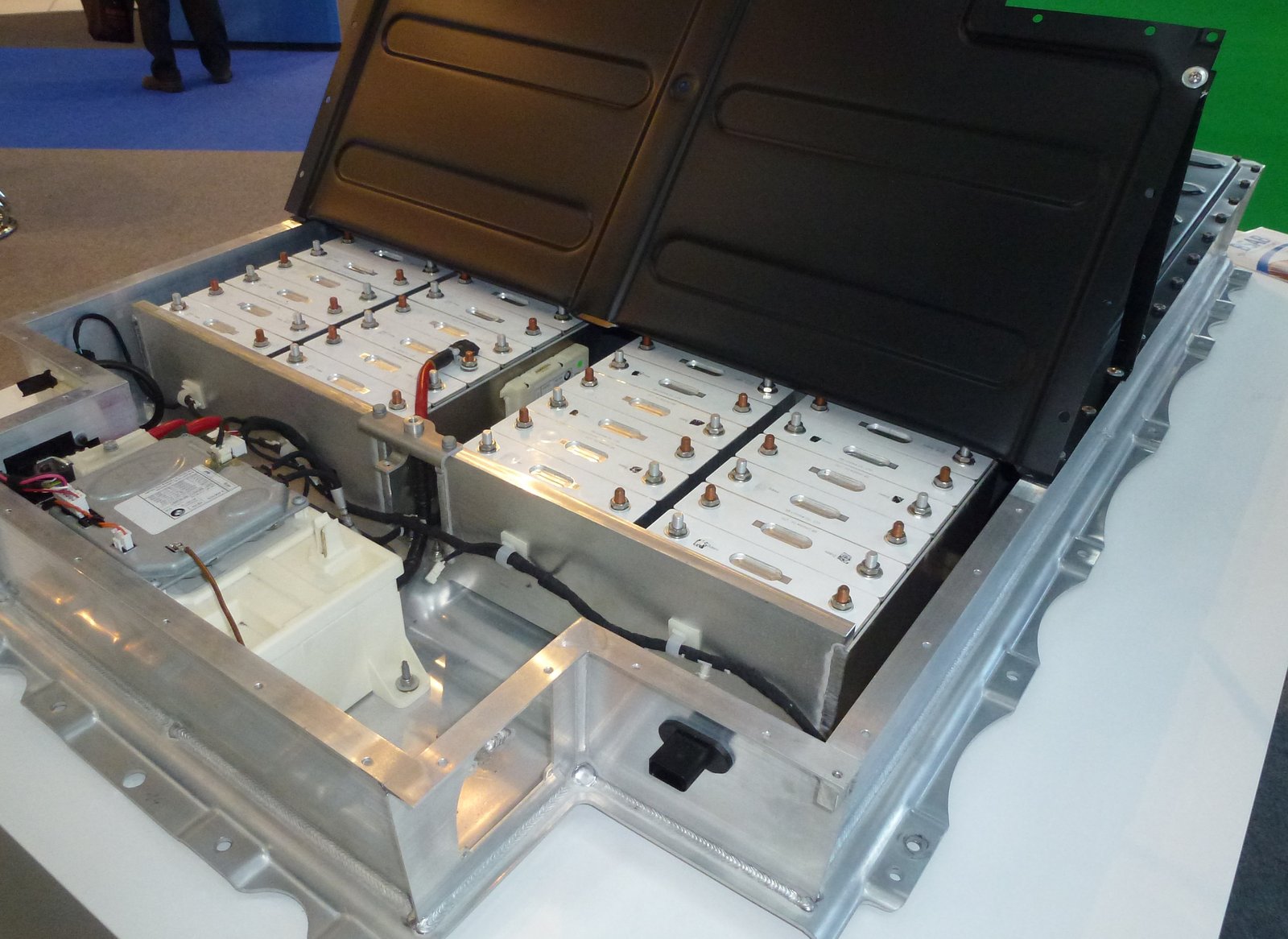
Vietnam's electric vehicle (EV) battery production is experiencing a significant surge, positioning the country as a key player in the global EV supply chain. The Vietnamese government has set ambitious targets to increase the production of EVs and hybrid vehicles to 500,000 units per year by 2030, a substantial increase from the current production levels. This aggressive growth strategy is expected to bolster the domestic EV battery manufacturing industry, creating opportunities for both local and international investors.
The growth in EV battery production is also supported by the increasing demand for renewable energy solutions, as Vietnam aims to reduce its reliance on fossil fuels. According to the Ministry of Finance, the country's renewable energy capacity is expected to increase by 49% by 2030, which will further drive the demand for EV batteries. This shift towards cleaner energy sources implies a significant market for EV batteries, as the need for energy storage solutions grows in tandem with the renewable energy sector.
In addition to the domestic market, Vietnam is also looking to capture a share of the global EV battery market. The country's strategic location and cost-competitive manufacturing capabilities make it an attractive destination for international companies looking to establish or expand their EV battery production facilities. This is further supported by the government's efforts to improve the business environment and attract foreign direct investment, which is expected to facilitate the entry of global players into the Vietnamese market.
However, the rapid growth in EV battery production also presents challenges. The industry will need to adhere to stringent environmental and safety standards, which may require significant investments in technology and infrastructure. The Ministry of Finance noted that the government is working on policies to support the industry's transition to cleaner production methods, which will be crucial in maintaining the country's competitive edge in the global EV supply chain.
Navigating Tariffs: How Vietnam's EV Industry Adapts
Vietnam's EV industry is facing the challenge of navigating tariffs imposed by major markets, particularly the United States and the European Union. The imposition of tariffs can significantly impact the competitiveness of Vietnamese EV manufacturers in these markets. To adapt, the industry is focusing on localizing production and sourcing components within the country, which can help mitigate the impact of tariffs, according to VASEP. This strategy not only reduces reliance on imported components but also aligns with the country's efforts to build a robust domestic supply chain.
The Ministry of Finance noted that the EV industry is also exploring alternative markets to diversify its export destinations and reduce the risk associated with reliance on a few major markets. This approach can help Vietnamese EV manufacturers to spread their risks and maintain growth even if tariffs in some markets increase. By expanding into new markets, the industry can also tap into the growing global demand for EVs, which is expected to rise as more countries adopt policies to promote clean energy and reduce carbon emissions.
The adaptation to tariffs also involves enhancing the quality and technological capabilities of Vietnamese EV products. As the global EV market becomes more competitive, having high-quality products with advanced features can help Vietnamese manufacturers to maintain their market share and attract customers. The industry is investing in research and development to improve the performance and efficiency of EVs, which can give them a competitive edge in the global market.
Lastly, the Vietnamese government is playing a crucial role in supporting the EV industry's adaptation to tariffs. The government has introduced various incentives and policies to encourage the development of the domestic EV industry, including tax breaks and subsidies for manufacturers. These measures can help Vietnamese EV manufacturers to reduce their production costs and invest in new technologies, thereby enhancing their competitiveness in the global market.
Skill Gap Analysis: Upskilling for Vietnam's EV Future
The rapid growth of Vietnam's EV industry presents a significant challenge in terms of the skill gap that must be addressed to sustain this momentum. The country's workforce will need to be equipped with the necessary skills to meet the demands of advanced manufacturing processes inherent in EV production. According to a recent study by the Vietnam Association of Supporting Industries (VASIP), there is a pressing need for upskilling in areas such as battery technology, electric motor manufacturing, and software development for EV components. This skill gap has implications for the quality and efficiency of production, potentially impacting Vietnam's competitiveness in the global EV supply chain.
The Ministry of Labor, Invalids, and Social Affairs has recognized this issue and has been working on strategies to enhance vocational training programs that align with the needs of the EV industry. "By 2026, the government aims to train over 100,000 skilled workers in key sectors that support the EV industry," as stated in their strategic plan. This initiative is crucial for bridging the gap between the current workforce capabilities and the advanced skills required for high-tech manufacturing, thereby ensuring a steady supply of qualified personnel to fuel the EV industry's growth.
However, the upskilling process is not without its challenges. The shift from traditional manufacturing to high-tech production necessitates a significant change in the educational curriculum and training methodologies. This transformation requires not only financial investment but also a strategic approach to integrating new technologies and teaching methods into the existing educational framework. The success of these programs will be pivotal in determining Vietnam's ability to maintain its position as a key player in the EV supply chain.
In addition to upskilling the existing workforce, attracting new talent to the EV industry is another critical aspect of addressing the skill gap. The Ministry of Education and Training has been urged to include EV-related subjects in university curricula to groom a new generation of engineers and technicians. This proactive approach to education will be essential in ensuring a continuous pipeline of skilled professionals entering the EV industry, thereby supporting the long-term growth and sustainability of Vietnam's EV supply chain.
Investment Surge: Foreign Capital Fueling EV Expansion
The Vietnamese EV supply chain has been experiencing a significant influx of foreign capital, which is playing a pivotal role in the expansion of the sector. South Korea, for instance, has been particularly active in investing in Vietnam's EV industry. According to the Ministry of Planning and Investment, Korean investments in Vietnam's EV industry have reached over $4.8billion. This substantial capital inflow is indicative of the confidence foreign investors have in Vietnam's potential to become a key player in the global EV supply chain.
The investment surge is not limited to South Korea; other countries are also recognizing the potential of Vietnam's EV industry. Japan, for example, has shown interest in collaborating with Vietnam on EV projects, as evidenced by the Memorandum of Understanding signed between the two countries to enhance cooperation in the automotive sector. This international interest underscores the strategic importance of Vietnam's position in the EV supply chain and the opportunities it presents for foreign investors.
The influx of foreign capital is not only providing the necessary financial resources for the expansion of Vietnam's EV industry but is also bringing in advanced technology and expertise. Companies like VinFast, Vietnam's first domestic car manufacturer, have been able to secure partnerships with global technology giants like LG Chem for battery production, as reported by Bloomberg. This collaboration is crucial for Vietnam to develop a competitive edge in the EV market and to meet the increasing demand for high-quality EV components.
The investment surge also has implications for the local economy. As foreign capital drives the expansion of the EV supply chain, it is expected to create new job opportunities and stimulate economic growth in the country. The Ministry of Industry and Trade has noted that the EV industry could contribute significantly to Vietnam's GDP, highlighting the potential for a virtuous cycle where investment leads to growth, which in turn attracts further investment.
Sustainable Growth: Vietnam's Green Energy Transition in EV Manufacturing
Vietnam's commitment to sustainable growth is evident in its green energy transition, particularly within the EV manufacturing sector. The country's strategic focus on renewable energy sources aligns with the global shift towards reducing carbon emissions. According to the Ministry of Finance, Vietnam aims to source 32% of its electricity from renewable energy by 2030, a significant step towards decarbonizing the economy. This transition not only supports the EV industry by providing clean energy for production but also positions Vietnam as a leader in sustainable manufacturing, attracting foreign investment and fostering innovation in green technologies.
The environmental regulations in Vietnam are becoming increasingly stringent, which is a double-edged sword for the EV supply chain. On one hand, the decree mandates higher environmental standards, which raises compliance costs for manufacturers. On the other, it pushes companies to adopt cleaner production methods, thereby reducing their carbon footprint and enhancing their global competitiveness. This regulatory push towards sustainability is expected to catalyze technological advancements and efficiency improvements within the EV manufacturing process, ultimately benefiting both the environment and the industry's long-term growth prospects.
The integration of green energy into Vietnam's EV manufacturing also presents an opportunity for the country to become a key player in the global EV battery market. With the demand for lithium-ion batteries projected to grow exponentially, Vietnam's strategic investments in battery production facilities could position it as a significant supplier to the international market. The Ministry of Industry and Trade has recognized this potential and is actively promoting policies to support the development of the battery industry, which is crucial for the sustainable growth of Vietnam's EV sector.
Lastly, Vietnam's focus on sustainable growth in the EV sector is not just about compliance with environmental regulations; it is also about creating a robust domestic market for EVs. The government's initiative to phase out internal combustion engine vehicles by 2045, as noted by the Ministry of Transport, is a clear indication of the country's commitment to reducing emissions and promoting the adoption of electric vehicles. This policy not only supports the growth of the EV manufacturing industry but also encourages the development of a local supply chain, which is essential for the long-term sustainability and competitiveness of Vietnam's EV sector.
Vietnam's strategic positioning in the EV supply chain, supported by government policies and a commitment to sustainable growth, presents a promising landscape for investment. The country's push towards battery production and the phasing out of internal combustion engine vehicles by 2045 signals a significant shift towards electric mobility, which could attract both domestic and international investment. The potential for Vietnam to become a key player in the global EV market is bolstered by its efforts to develop a robust domestic supply chain, which is crucial for long-term competitiveness.
As Vietnam continues to foster an environment conducive to EV sector growth, the implications for investors are clear. The country's focus on sustainable development and the establishment of a local supply chain offer opportunities for those looking to capitalize on the burgeoning electric vehicle market. Investors may find value in companies that align with Vietnam's environmental goals and are poised to benefit from the government's supportive policies. The trajectory towards a greener economy suggests that investments in the EV sector could yield substantial returns in the coming years.