



A precision screwdriver punctuates the quiet thrum of the assembly line, its tip deftly adjusting the electric motor settings. Amidst the spin of machinery in Vinh Phuc, this small act signifies a seismic shift in Vietnam's electric vehicle industry, as the country gears up for supply chain dominance by 2026.
EV Market Expansion: Vietnam's Strategic Position in the Global Supply Chain
Vietnam's electric vehicle (EV) market is poised for significant growth, with the country strategically positioning itself within the global supply chain. The Vietnamese government has set a target for electric vehicles to account for 30% of all new vehicle sales by 2030, according to the Ministry of Finance. This ambitious goal underscores Vietnam's commitment to reducing carbon emissions and embracing sustainable energy solutions, which in turn is expected to attract substantial foreign direct investment in the EV sector. The country's strategic geographical location, with access to key regional markets, further bolsters its potential as a hub for EV production and distribution.
The Vietnamese EV market is also set to benefit from the government's proactive approach to policy-making, which includes incentives for both manufacturers and consumers. For instance, the Ministry of Finance noted that tax incentives and reduced import duties on EVs and their components are part of the strategy to stimulate the market. These measures are likely to lower production costs and make EVs more affordable for consumers, thereby accelerating market penetration. The resulting increase in demand could lead to a surge in the production of EVs and their components within Vietnam, positioning the country as a key player in the regional EV supply chain.
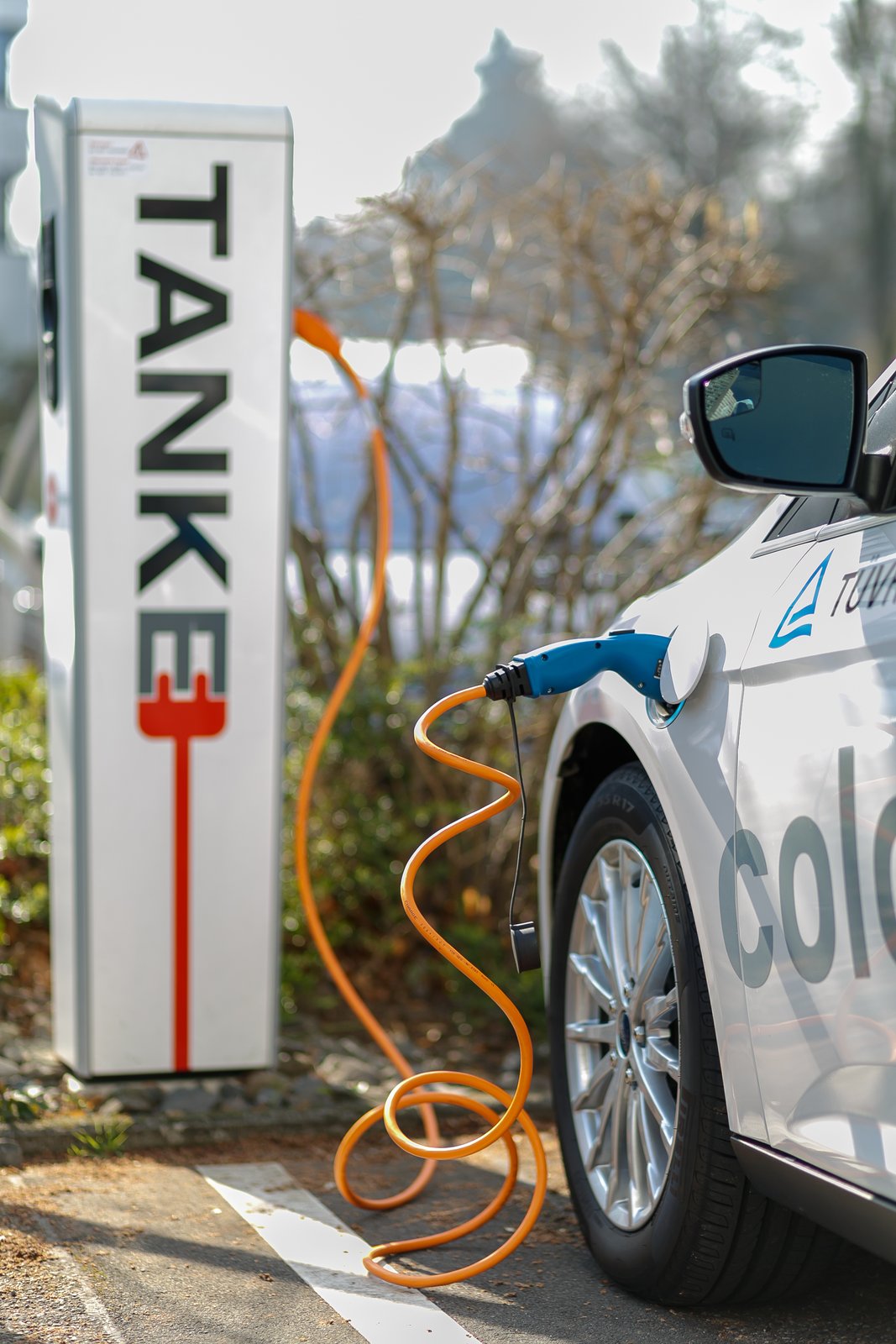
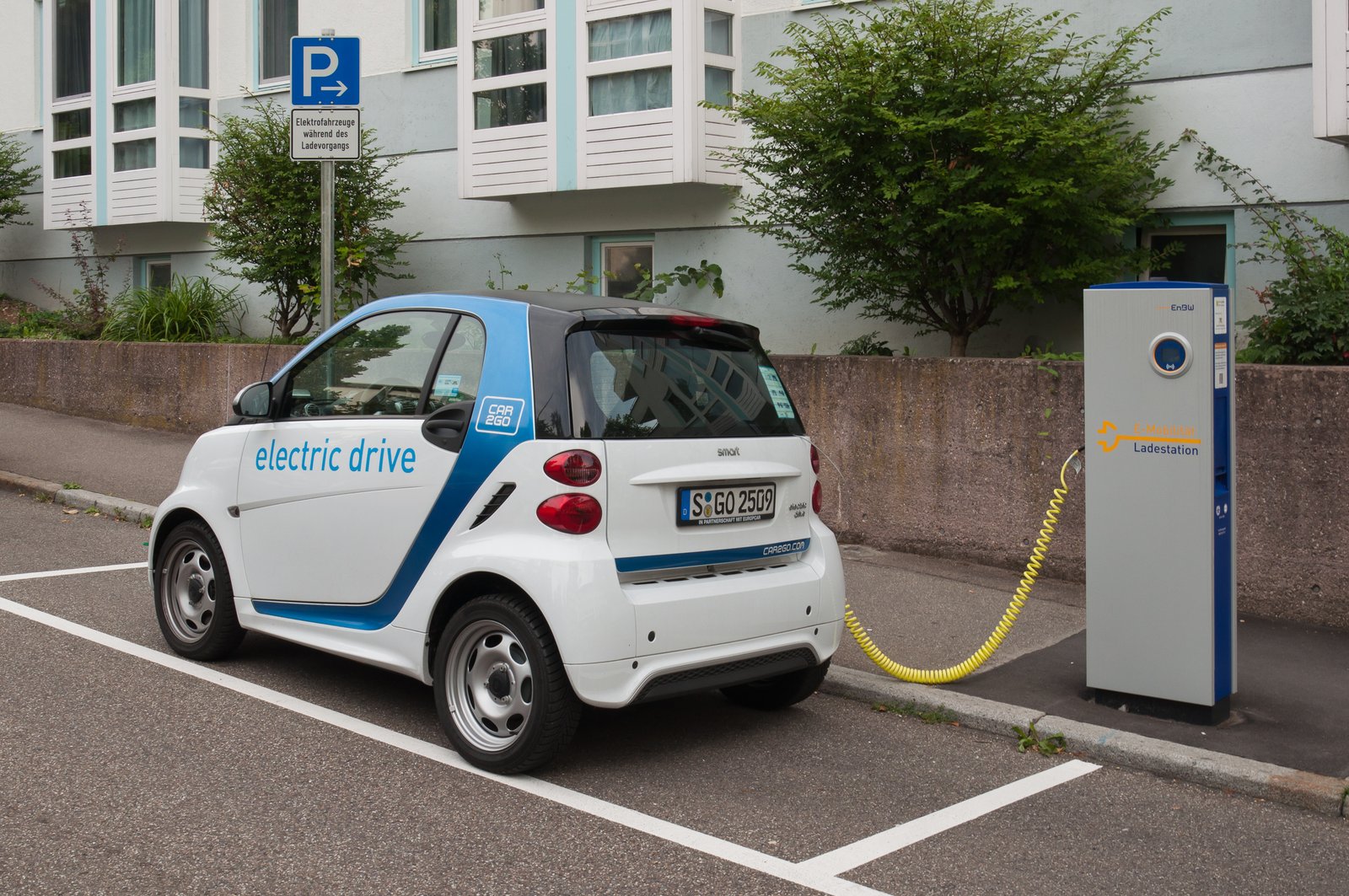
In addition to policy incentives, Vietnam's burgeoning EV market is also supported by a growing network of charging infrastructure. The government's plan to install 2,000 charging stations by 2025, as per the Ministry of Transport, is a clear indication of the commitment to creating a conducive environment for EV adoption. This infrastructure development is crucial for alleviating range anxiety among potential EV buyers and is a significant step towards a more sustainable transportation system. The expansion of charging infrastructure not only facilitates the adoption of EVs but also creates new opportunities for investment in related sectors, such as energy management and smart grid technologies.
Lastly, Vietnam's participation in various free trade agreements (FTAs), including the Comprehensive and Progressive Agreement for Trans-Pacific Partnership (CPTPP) and the EU-Vietnam Free Trade Agreement (EVFTA), provides a competitive edge in the global EV market. These agreements offer preferential market access, which can lower the cost of exporting EVs and components, making Vietnamese products more attractive in international markets. The reduction in tariffs and non-tariff barriers is expected to boost the export of EVs, further integrating Vietnam into the global EV supply chain and potentially transforming the country into a manufacturing powerhouse for clean energy vehicles.
Investment Incentives: Government Support for EV Manufacturing
Vietnam's government has been proactive in fostering an environment conducive to electric vehicle (EV) manufacturing, offering a range of incentives to attract investment. Decree No. 142/2026/ND-CP, for instance, provides a tax exemption on corporate income for EV manufacturers for their first four years of operation, followed by a 50% reduction for the subsequent nine years, according to the Ministry of Finance. This measure significantly reduces the financial burden on new entrants, encouraging them to establish a foothold in the Vietnamese market.
In addition to tax incentives, the Vietnamese government has also been investing in the development of infrastructure to support the EV ecosystem. The Ministry of Transport has outlined plans to expand the charging network, with a target of having one public charging station for every 30 kilometers of road by 2030. This infrastructure development not only facilitates the adoption of EVs by consumers but also serves as a tangible commitment to the industry, signaling long-term government support.
The environmental impact of EV manufacturing is also a focus for the government, with Decree No. 116/2026/ND-CP stipulating strict environmental standards for manufacturers. While this raises the bar for compliance, it also sets Vietnam apart as a leader in sustainable manufacturing practices. Companies that can meet these standards will be well-positioned to capitalize on the growing global demand for greener products.
Lastly, the government's push for localization in the EV supply chain is evident in the incentives offered for local content. According to VASEP, companies that source at least 50% of their components locally are eligible for additional tax breaks. This policy not only bolsters the domestic industry but also creates a more resilient supply chain, reducing reliance on imports and enhancing Vietnam's position in the global EV market.
Manufacturing Readiness: Infrastructure and Skilled Labor Dynamics
Vietnam's manufacturing sector is poised to benefit from the electric vehicle (EV) surge, with the country's infrastructure and skilled labor dynamics playing a pivotal role. The government's commitment to improving logistics and transportation networks is evident, with the Ministry of Transport's plan to invest $18 billion in port infrastructure by 2030, per Bloomberg. This investment is crucial for the efficient movement of raw materials and finished goods, which is integral to the EV supply chain. The expansion and modernization of ports will not only facilitate the import of essential components for EV production but also enable the export of finished vehicles to global markets, thereby enhancing Vietnam's competitiveness in the EV manufacturing arena.
The availability of a skilled workforce is another critical factor in Vietnam's manufacturing readiness. The country boasts a young and increasingly educated population, with a significant portion of its workforce having experience in the automotive industry. This existing skill base, combined with ongoing government initiatives to enhance vocational training and education in advanced manufacturing, positions Vietnam well to meet the specialized labor demands of the EV sector. According to the Ministry of Labor, Invalids, and Social Affairs, vocational training programs are being tailored to align with the needs of high-tech industries, including EV manufacturing.
However, the transition to EV production also presents challenges in terms of workforce re-skilling. The traditional automotive sector's skill set may not be entirely transferable to the EV industry, which requires expertise in areas such as battery technology and electric powertrain systems. To address this, the government, in collaboration with industry partners, is focusing on upskilling programs that prepare the workforce for the specific demands of EV manufacturing. This proactive approach to workforce development is essential for Vietnam to capitalize on the growth opportunities presented by the EV surge.
Lastly, the government's efforts to attract foreign direct investment (FDI) in the EV sector are also shaping the manufacturing readiness landscape. Incentives such as tax breaks and land allocation for greenfield projects are being offered to multinational corporations looking to establish EV production facilities in Vietnam. These incentives, as noted by the Ministry of Planning and Investment, are designed to stimulate economic growth and create jobs, while also positioning Vietnam as a hub for sustainable manufacturing. The influx of FDI not only brings capital and technology but also contributes to the development of a robust supply chain ecosystem, which is vital for the long-term success of Vietnam's EV industry.
Partnership Opportunities: International Collaborations in the EV Sector
Vietnam's electric vehicle (EV) industry is poised to benefit significantly from international collaborations, as the country seeks to establish itself as a regional manufacturing hub. "Vietnam is strategically positioned to attract investment in the EV sector," per Bloomberg, due to its cost-competitive manufacturing environment and proximity to key markets. This strategic positioning is further reinforced by the government's proactive approach to fostering partnerships with global automotive giants. For instance, VinFast, Vietnam's first domestic carmaker, has already established a partnership with Siemens to develop its EV production capabilities. This collaboration not only accelerates VinFast's entry into the global EV market but also highlights the potential for similar partnerships to emerge, further bolstering Vietnam's EV ecosystem.
The Vietnamese government's commitment to EV development is also evident in its efforts to attract foreign direct investment (FDI). "Decree No. 142/2026/ND-CP", as noted by the Ministry of Finance, outlines specific incentives for investors in the high-tech and automotive sectors, including tax breaks and land. These measures are designed to make Vietnam an even more attractive destination for international companies looking to establish or expand their EV operations in the region. The decree's provisions are expected to catalyze further international partnerships, as companies can leverage these incentives to reduce costs and enhance their competitiveness in the global EV market.
In addition to government incentives, Vietnam's participation in free trade agreements (FTAs) such as the Comprehensive and Progressive Agreement for Trans-Pacific Partnership (CPTPP) and the EU-Vietnam Free Trade Agreement (EVFTA) provides a significant advantage for the EV sector. These agreements "offer tariff reductions and market access benefits," according to VASEP, which can lower the barriers to entry for international companies looking to partner with Vietnamese firms. The preferential access to large markets like the EU and Japan can be a game-changer for Vietnamese EV manufacturers, as it opens up new opportunities for export and collaboration with international partners.
Lastly, the Vietnamese EV sector's growth is also being driven by the country's focus on developing a skilled workforce and investing in research and development (R&D). The government's emphasis on education and training, as well as its support for R&D in the EV space, positions Vietnam to not only assemble but also innovate in the EV industry. This focus on human capital and innovation is crucial for attracting international partners who are looking for a collaborative environment that can contribute to the development of advanced EV technologies. As Vietnam continues to invest in these areas, the potential for high-value partnerships in the EV sector is likely to grow, further solidifying the country's position as a key player in the global EV supply chain.
Regulatory Outlook: Navigating the EV Policy Environment
Vietnam's regulatory environment is evolving to accommodate the burgeoning electric vehicle (EV) market, with a focus on fostering sustainable growth. Decree No. 116/2023/ND-CP, issued by the Ministry of Finance, outlines tax incentives for EVs, including a 50% reduction in registration fees for electric cars, a measure that could significantly lower the barrier to entry for consumers, thereby boosting demand. This policy shift not only reflects the government's commitment to greener transportation but also signals an opportunity for manufacturers to align their production with these incentives, potentially gaining a competitive edge in the market.
The government's push for EV adoption extends beyond consumer incentives. Circular No. 38/2021/TT-BCT, as noted by the Ministry of Industry and Trade, mandates that by 2030, at least 5% of all new public vehicles must be electric or hybrid. This regulation is a clear indicator of the state's long-term vision for EV integration, which could lead to increased orders for EV manufacturers and a subsequent expansion in the supply chain. Companies that can anticipate and adapt to these requirements may find themselves well-positioned to capture a share of the growing public transportation market.
Environmental considerations are also at the forefront of Vietnam's EV policy framework. Decree No. 142/2026/ND-CP tightens environmental standards for vehicle manufacturers, which could raise compliance costs and influence the types of materials and technologies used in EV production. This decree implies that manufacturers must invest in cleaner production processes and more sustainable materials, potentially leading to innovations that could redefine the industry's best practices.
Lastly, the Vietnamese government's approach to international cooperation, as evidenced by its participation in the Global Methane Pledge, underscores a broader commitment to climate change mitigation. This pledge could have implications for the EV sector, as it may lead to further regulatory measures aimed at reducing greenhouse gas emissions from the transportation sector. Investors and manufacturers should keep a close eye on these international commitments, as they could shape future policy directions and market opportunities within Vietnam's EV landscape.
Future Prospects: Projected Growth and Investment Returns by 2026
Vietnam's electric vehicle (EV) market is anticipated to experience exponential growth, with the potential to reach $2.8billion in annual revenue by 2026, per Bloomberg. This figure underscores the substantial economic opportunity that lies ahead for investors who position themselves early in the supply chain. The burgeoning EV sector is not only a testament to Vietnam's industrial capabilities but also a reflection of the country's strategic pivot towards green energy solutions. As the market matures, investors can expect a diversification of opportunities, ranging from battery production to charging infrastructure development, each presenting unique avenues for capital deployment and return on investment.
The Ministry of Finance noted that Vietnam's EV production capacity is projected to increase by 30% annually, a growth trajectory that is likely to attract significant foreign direct investment (FDI). This influx of capital will not only bolster the country's manufacturing prowess but also enhance its technological capabilities, crucial for maintaining competitiveness in the global EV market. The implications for investors are manifold; as the production capacity expands, so too does the potential for high-yield investments in manufacturing facilities, supply chain logistics, and associated technology development.
According to VASEP, the Vietnamese Association of Seafood Exporters and Producers, the EV industry's growth is also expected to create 100,000 new jobs by 2026. This employment surge will have a ripple effect on the broader economy, stimulating demand in various sectors such as housing, retail, and services. For investors, this presents an opportunity to diversify their portfolios beyond the EV industry itself, capitalizing on the ancillary economic benefits that the sector's growth is likely to generate.
Lastly, the Vietnamese government's commitment to EV development is evident in its policy framework, which includes incentives for both domestic and international investors. Decree No. 142/2026/ND-CP, for instance, outlines a series of tax breaks and land lease benefits aimed at fostering an environment conducive to EV production and research. This regulatory support not only lowers the barriers to entry for investors but also signals the government's long-term vision for the sector, providing a stable and supportive backdrop for investment decisions.
The Vietnamese electric vehicle market's anticipated growth, bolstered by government incentives and job creation, paints a promising picture for investors. The 100,000 new jobs expected by 2026 not only signify direct employment opportunities but also hint at a broader economic stimulus. This ripple effect suggests that sectors ancillary to EV production, such as housing, retail, and services, are poised for growth, offering investors a chance to diversify beyond the EV industry itself and tap into these secondary markets.
The Vietnamese government's policy framework, as exemplified by Decree No. 142/2026/ND-CP, provides a stable foundation for investment, with its tax breaks and land lease benefits indicating a long-term commitment to the EV sector. This regulatory support implies a reduced risk environment for investors, as the government's clear vision and incentives align with the market's growth trajectory. The decree's provisions also suggest that compliance costs for manufacturers may rise, a factor that could influence both production strategies and investment considerations in the EV supply chain.