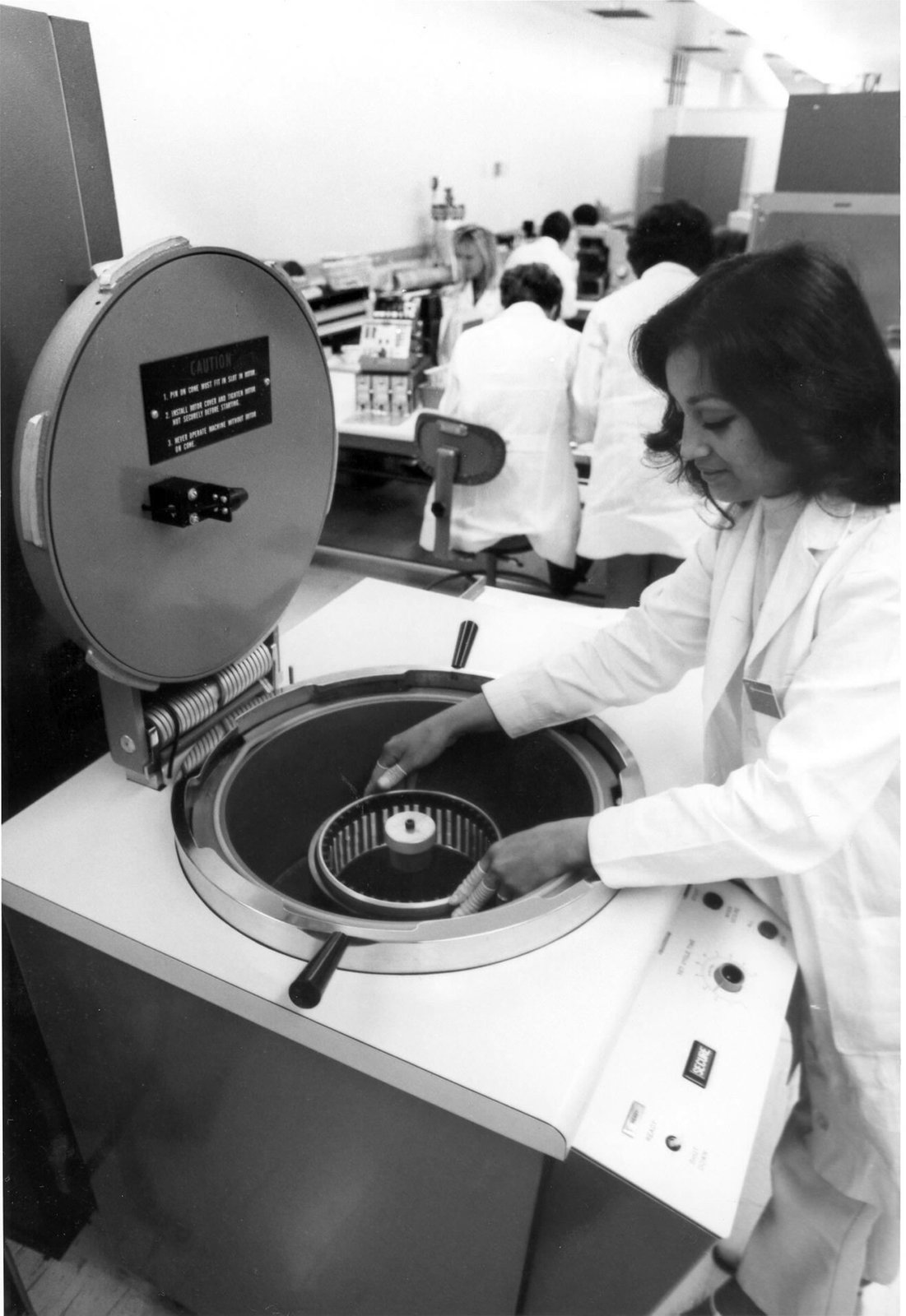




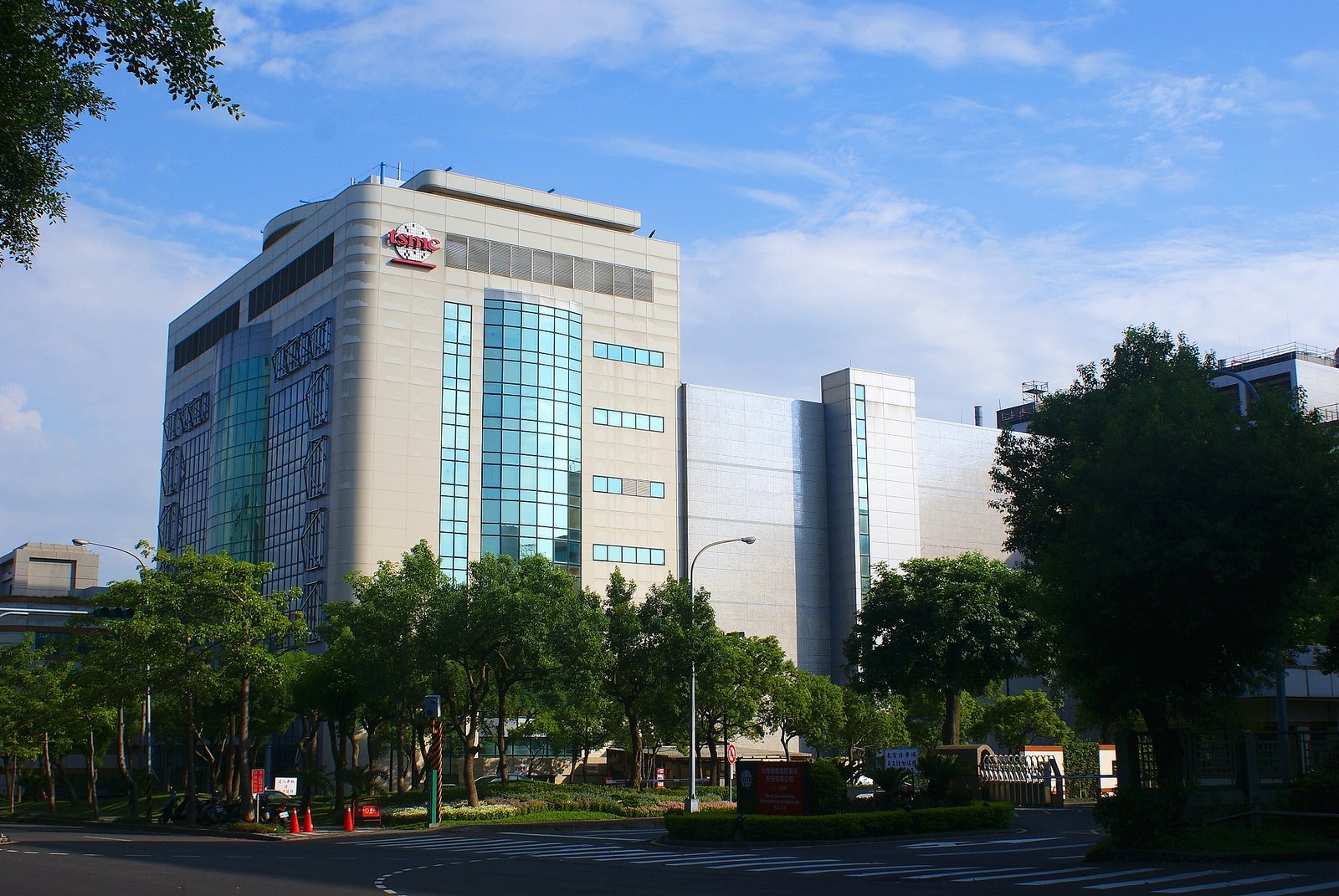
Inside a cavernous warehouse, the steady thrum of machines harmonizes with the silent ballet of robotic arms, each movement choreographed to the precision of a conductor's baton. Amidst the chorus of semiconductor production, a new era is quietly taking shape, one that resonates far beyond the confines of the smartphone market.
Vietnam's AI Market Projected to Reach USD 65 Billion by 2035
Vietnam's artificial intelligence (AI) market is anticipated to experience significant growth, with projections indicating a potential market size of USD 65 billion by 2035. This substantial expansion is driven by the country's rapid digital transformation, which is being fueled by advancements in technology and an increasing focus on AI applications across various sectors. The surge in AI adoption is expected to create new opportunities and challenges for businesses and investors alike, as the technology becomes more integrated into the fabric of the Vietnamese economy.
The Vietnamese government's commitment to fostering a digital economy is a key factor in the projected growth of the AI market. Initiatives such as the National Digital Transformation Program and the "Make in Vietnam" strategy are designed to promote the development and application of AI technologies. These policies are aimed at enhancing the country's competitiveness in the global market and creating a conducive environment for AI innovation, which in turn is expected to attract both domestic and foreign investment in the sector.
The increasing demand for AI solutions in sectors such as healthcare, finance, and manufacturing is also contributing to the growth of Vietnam's AI market. As businesses seek to improve efficiency and reduce costs, the adoption of AI technologies becomes more attractive. For instance, the use of AI in healthcare can lead to more accurate diagnostics and personalized treatment plans, while in finance, it can enhance risk management and fraud detection capabilities. This demand-driven growth is expected to further accelerate the expansion of the AI market in Vietnam.
Moreover, the development of AI data centers in Vietnam is a significant indicator of the country's growing importance in the global AI landscape. These data centers are crucial for processing and storing the vast amounts of data generated by AI applications, and their establishment in Vietnam is a testament to the country's strategic position and potential as a regional hub for AI and data processing. The presence of these data centers is likely to attract more tech companies to invest in Vietnam, further bolstering the growth of the AI market.
Lastly, the collaboration between Vietnamese institutions and international tech giants is another factor that is expected to contribute to the growth of the AI market in Vietnam. Partnerships with companies like Google and IBM can provide access to advanced AI technologies and expertise, which can be leveraged to develop local solutions and capabilities. Such collaborations are expected to enhance the country's AI ecosystem and create a more robust foundation for the growth of the AI market in Vietnam.
Foxconn Aims to Double Vietnam Revenue with AI Boom
Foxconn, a leading electronics manufacturer, has set an ambitious goal to double its revenue in Vietnam by leveraging the burgeoning AI data center boom. This strategic move is in line with the global trend of increasing demand for AI and semiconductor technologies, which are pivotal to the future of data processing and storage. "Foxconn aims to double its revenue in Vietnam to $4billion by 2026," per Bloomberg, indicating a significant investment in the nation's AI infrastructure. The implication of this expansion is that Vietnam is becoming a key player in the global semiconductor supply chain, potentially positioning it as a regional hub for high-tech manufacturing.
The decision to invest heavily in Vietnam is also underpinned by the country's strategic geographical location and its growing reputation as a manufacturing powerhouse. "Foxconn's investment in Vietnam is expected to create 10,000 new jobs," according to VASEP, which not only boosts the local economy but also signals the company's confidence in Vietnam's ability to support advanced manufacturing processes. This development could lead to a ripple effect, attracting further high-tech investments and fostering a competitive ecosystem for AI and semiconductor technologies in the region.
Furthermore, Foxconn's expansion plans are a testament to Vietnam's improving business environment and its attractiveness as an investment destination. The Ministry of Finance noted that "Vietnam's GDP growth is expected to reach 6.5% in 2023," which provides a stable and growing market for Foxconn to tap into. This economic backdrop is crucial for the company's ambitious revenue targets, as it suggests a robust consumer base and a thriving business environment that can support the growth of AI data centers and related industries.
Lastly, Foxconn's focus on Vietnam aligns with the global shift towards more sustainable and regionally distributed supply chains. The company's investment in AI data centers is not only a response to the increasing demand for advanced technologies but also a strategic move to diversify its production bases and mitigate risks associated with over-reliance on a single region. This approach is particularly relevant in the current geopolitical climate, where supply chain resilience has become a top priority for multinational corporations.
Vietnamese Data Center Market to Grow at a 20.4% CAGR
The Vietnamese data center market is projected to experience significant growth, with a compound annual growth rate (CAGR) of 20.4%, according to Bloomberg. This robust expansion is attributed to the rapid digitization of the economy and the increasing demand for cloud services and data storage solutions. As businesses and government agencies migrate their operations to digital platforms, the need for reliable and secure data centers becomes more critical, driving investment and development in the sector.
The growth of the data center market in Vietnam is also fueled by the country's strategic geographical location and its position as a gateway to the Southeast Asian region. This attracts international tech giants and data center operators to establish facilities within the country, thereby enhancing the data center ecosystem. The Ministry of Finance noted that the government is actively promoting the digital economy, which includes creating a conducive environment for data centers to flourish.
Another factor contributing to the Vietnamese data center market's growth is the increasing focus on improving internet infrastructure. The government's efforts to enhance connectivity and reduce latency are crucial for data centers, as they require high-speed, reliable internet to function effectively. This infrastructure development not only supports the existing data center market but also attracts new entrants, further accelerating the market's growth.
Lastly, the Vietnamese data center market's growth is also influenced by the global semiconductor industry's expansion. As Vietnam becomes an important manufacturing hub for semiconductors, the demand for data centers to support these operations is expected to rise. The integration of advanced technologies and the need for data processing in the semiconductor industry are key drivers for the data center market's growth, indicating a strong correlation between the two sectors.
CMC Plans to Invest Up to US$500Million in Data Centers
Vietnam's leading technology conglomerate, CMC Corporation, is gearing up for a significant investment in data centers, with plans to invest up to US$500million. This substantial commitment highlights the growing importance of data centers in the country's digital transformation journey. According to Bloomberg, this investment is expected to bolster Vietnam's position in the global AI and semiconductor industry, as data centers are crucial for processing and storing the vast amounts of data generated by these technologies. The investment's scale implies a significant expansion in Vietnam's digital infrastructure, which is essential for supporting the burgeoning AI sector.
CMC's investment strategy is indicative of a broader trend in Vietnam, where tech companies are increasingly focusing on enhancing their data center capabilities. This move is likely to attract further foreign direct investment, as global tech giants seek to tap into Vietnam's growing market and its strategic position in the region. The investment not only signals CMC's confidence in Vietnam's tech sector but also underscores the country's potential to become a regional hub for data processing and AI development.
The implications of CMC's investment extend beyond the immediate economic benefits. It is expected to create a ripple effect across the economy, fostering innovation and job creation in the tech sector. This investment could also lead to increased collaboration with international partners, as Vietnam positions itself as a competitive destination for data center operations. Such partnerships are vital for transferring knowledge and technology, which are essential for Vietnam to maintain its growth trajectory in the AI and semiconductor industries.
Lastly, the investment in data centers by CMC is a strategic move that aligns with Vietnam's push towards digitalization. As the country seeks to leverage technology to drive economic growth, the establishment of robust data centers is a foundational step. It ensures that Vietnam can handle the increasing demand for data processing capabilities, which is critical for the development and deployment of AI applications. This investment is a clear signal of Vietnam's commitment to becoming a significant player in the global AI landscape by 2026.
Global Semiconductor Market to Reach $1.29T in 2026
The global semiconductor market is projected to experience robust growth, reaching a value of $1.29 trillion by 2026, per Bloomberg. This significant expansion is attributed to the increasing demand for advanced electronics and digital technologies, which are integral to various industries, including telecommunications, automotive, and consumer electronics. The implication of this growth is that there will be a heightened need for semiconductor production capabilities, which could lead to increased investment in AI data centers and semiconductor manufacturing facilities in regions like Vietnam.
The growth trajectory of the semiconductor market is also indicative of the broader trend towards digitalization and the Internet of Things (IoT), where more devices are becoming interconnected and require advanced chips for processing capabilities. This trend is expected to further fuel the demand for semiconductors, creating opportunities for countries with a strategic focus on developing their semiconductor industries, such as Vietnam. The potential for Vietnam to become a hub for semiconductor manufacturing is significant, given its strategic location and the ongoing efforts to bolster its technological infrastructure.
Moreover, the semiconductor industry's growth is closely tied to advancements in AI and data analytics, which are becoming increasingly essential for businesses across various sectors. As companies seek to leverage AI for competitive advantage, the need for powerful computing capabilities and data storage solutions will continue to rise. This creates a favorable environment for the development of AI data centers, which can provide the necessary infrastructure to support these technological demands.
Lastly, the projected growth of the semiconductor market to $1.29 trillion by 2026 underscores the importance of this industry in the global economy. For Vietnam, this represents a significant opportunity to position itself as a key player in the semiconductor supply chain, thereby attracting foreign direct investment and fostering domestic technological development. The potential for Vietnam to capitalize on this trend is substantial, given its ongoing efforts to improve its business environment and integrate more deeply into global value chains.
Gartner Forecasts Semiconductor Revenue to Exceed $1.3 Trillion in 2026
The global semiconductor market is expected to witness substantial growth, as Gartner forecasts that semiconductor revenue will surpass $1.3 trillion by 2026. This prediction signifies a robust expansion in the semiconductor industry, which is a key driver of technological advancements and digital transformation. The increasing demand for AI, 5G, and IoT technologies, coupled with the ongoing digitalization of various industries, is expected to fuel this growth. The implication for Vietnam is significant, as the country's strategic position in Southeast Asia and its burgeoning tech sector position it as a potential beneficiary of this global trend.
The surge in semiconductor revenue, as per Gartner's forecast, is also indicative of the escalating competition among chipmakers to capture market share. This competition is not just limited to mature markets but extends to emerging economies like Vietnam, where the establishment of data centers and semiconductor fabs is gaining momentum. The influx of foreign direct investment in Vietnam's tech sector, particularly from countries like South Korea and Japan, is a testament to the country's potential in becoming a regional hub for semiconductor production.
Moreover, the projected growth in semiconductor revenue highlights the importance of supply chain diversification. As global supply chains face disruptions due to various geopolitical and economic factors, countries like Vietnam offer an alternative production base that can help mitigate risks. The Vietnamese government's push for high-tech industrial parks and its efforts to attract tech giants to set up operations locally align with this global trend, potentially positioning Vietnam as a reliable partner in the semiconductor supply chain.
Lastly, the anticipated increase in semiconductor revenue to $1.3 trillion by 2026 underscores the investment opportunities in the sector. For investors with a long-term perspective, the semiconductor industry offers a compelling avenue for capital deployment. Vietnam, with its growing tech ecosystem and supportive government policies, presents a fertile ground for such investments. The potential for high returns is further enhanced by the country's commitment to developing a skilled workforce and improving its infrastructure, which are crucial for the successful operation of semiconductor fabs and data centers.
The burgeoning AI data center boom in Vietnam, coupled with the country's strategic geopolitical positioning and government support, signals a significant shift in the global semiconductor landscape. As semiconductor revenue is projected to reach $1.3 trillion by 2026, Vietnam's role as an alternative production base could offer investors a unique opportunity to tap into a growing market with substantial potential for returns. The Vietnamese government's initiatives to foster high-tech industrial parks and attract tech giants not only mitigate global supply chain risks but also create a conducive environment for foreign investment in the semiconductor sector.
The data implies that Vietnam's commitment to developing a skilled workforce and improving infrastructure is set to bolster the country's position in the semiconductor supply chain. Investors looking to capitalize on the anticipated growth in semiconductor revenue should consider Vietnam's evolving tech ecosystem as a strategic investment destination. The interplay between economic factors, government policies, and global market trends suggests that Vietnam is poised to become a key player in the semiconductor industry, presenting a compelling case for long-term investment in this sector.