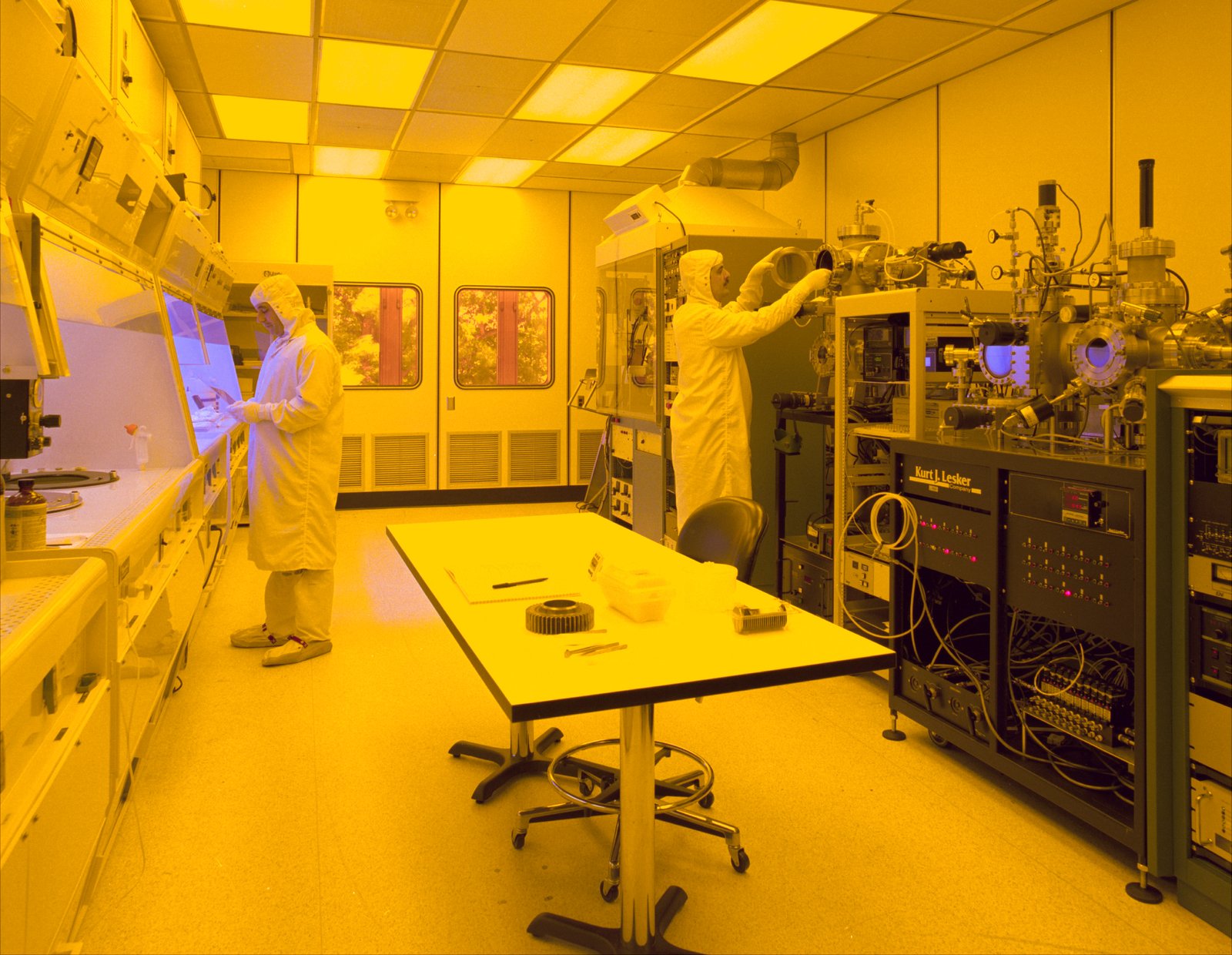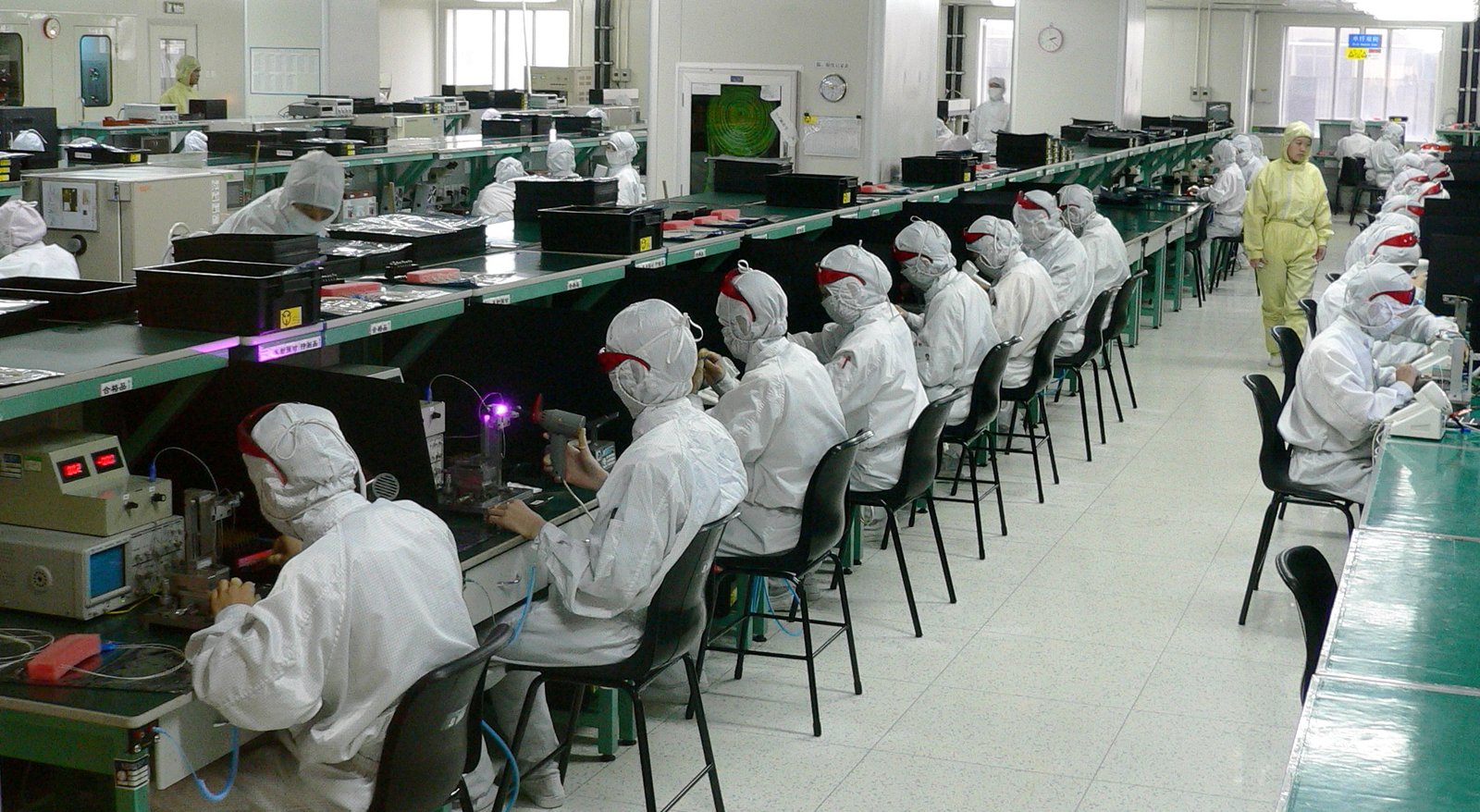




Amidst the lush greenery where rice once reigned supreme, the silent rise of an industrial leviathan has taken root, its bilingual signage a subtle testament to a seismic shift. In a picture long associated with agriculture, Vietnam has quietly emerged as a pivotal player in the intricate global semiconductor dance, with the weight of this moment reflecting the accumulated decisions that have led to this unassuming yet significant industrial evolution.
Samsung Expands Investment by $1.8B in Bac Ninh
Samsung's decision to expand its investment by $1.8billion in Bac Ninh represents a significant vote of confidence in Vietnam's manufacturing capabilities, particularly in the semiconductor industry. This substantial increase in investment is a strategic move that aligns with the global trend of supply chain diversification, as companies seek to mitigate risks associated with over-reliance on a single region. The expansion is expected to bolster Samsung's production capacity and enhance its competitive edge in the global market, given the importance of semiconductors in various tech-driven industries.
The investment expansion in Bac Ninh is also indicative of Samsung's long-term commitment to Vietnam, which has been a key part of the company's global manufacturing strategy. This move is likely to have a ripple effect on the local economy, creating jobs and stimulating growth in the surrounding areas. According to Bloomberg, such investments are crucial for Vietnam as it positions itself as a manufacturing hub in Southeast Asia, particularly in high-tech sectors that require advanced production capabilities.
The implications of this investment go beyond economic growth; it also signifies Vietnam's increasing role in the global technology supply chain. As the demand for semiconductors surges due to the digital transformation across industries, Vietnam's ability to attract such large-scale investments from tech giants like Samsung could potentially place it at the forefront of this critical industry. This development could lead to technology transfer and skill development, which are essential for Vietnam's aspiration to become a high-middle-income country by 2035, as noted by the Ministry of Finance.
Lastly, Samsung's investment in Bac Ninh is a testament to the Vietnamese government's efforts to create a conducive business environment for foreign direct investment. The government's focus on improving infrastructure, offering tax incentives, and ensuring a stable political climate has been instrumental in attracting multinational corporations. This investment is a clear indication that these efforts are yielding results, positioning Vietnam as an attractive destination for further foreign investment in the technology sector.
Victory Giant Technology's $900M Semiconductor Plant in Bac Ninh
The decision by Victory Giant Technology to establish a semiconductor plant in Bac Ninh with an investment of $900M signifies a strategic move into Vietnam's burgeoning electronics industry. This investment is indicative of the growing appeal of Vietnam as a manufacturing hub for high-tech components, particularly semiconductors, which are critical to the global supply chain. The location in Bac Ninh is strategic, as it is close to Hanoi, the political and economic center of Vietnam, and benefits from the infrastructure and logistical advantages that proximity provides. This move is expected to bolster the local economy and create employment opportunities, while also positioning Vietnam to capture a larger share of the global semiconductor market.
The investment by Victory Giant Technology also highlights the competitive advantages that Vietnam offers to foreign investors. The country's cost-effective labor force, stable political environment, and proactive government policies aimed at attracting high-tech industries are key factors that have made it an attractive destination for such investments. The Ministry of Finance noted that foreign direct investment (FDI) in Vietnam has been on the rise, with high-tech manufacturing being a significant contributor to this growth. This trend is expected to continue, as more companies like Victory Giant Technology recognize the benefits of establishing operations in the country.
The establishment of the semiconductor plant in Bac Ninh is also a testament to the Vietnamese government's efforts to diversify its economy and reduce reliance on lower-end manufacturing. By attracting high-tech investments, Vietnam is moving up the value chain and positioning itself as a key player in the global technology sector. This shift is crucial for the country's long-term economic growth and sustainability, as it allows Vietnam to tap into the lucrative and rapidly expanding market for advanced electronics components.
Lastly, the investment by Victory Giant Technology in Bac Ninh underscores the growing importance of Vietnam in the global semiconductor supply chain. As the world grapples with a semiconductor shortage, the establishment of new production facilities like this one is crucial for alleviating supply constraints and ensuring the continued growth of the technology sector. The plant's location in Vietnam also offers logistical benefits, as it is well-positioned to serve both regional and global markets, thereby enhancing the resilience and flexibility of the global semiconductor supply chain.
Amkor Vietnam's $1.1B Expansion in Semiconductor Production
Amkor Technology, a leading provider of outsourced semiconductor packaging and test services, has announced a significant expansion in Vietnam, with a planned investment of $1.1billion to increase its production capacity. This move is a strategic response to the growing demand for semiconductors, particularly in the context of the global supply chain disruptions and the push for regional production diversification. The expansion is expected to bolster Vietnam's position as a key player in the global semiconductor industry, potentially attracting further investment and partnerships.
The investment by Amkor Technology is a testament to the competitive advantages that Vietnam offers, including a skilled workforce and a strategic geographical location. This investment is also indicative of the growing confidence in Vietnam's ability to become a regional hub for high-tech manufacturing. The implications of this expansion are significant for the local economy, as it is expected to create thousands of jobs and contribute to the technological advancement of the country.
The decision to expand in Vietnam also highlights the country's efforts to improve its business environment and attract foreign direct investment. The Vietnamese government has been actively promoting the development of its high-tech sector, offering incentives and creating a conducive regulatory framework. This has been further supported by the country's participation in various free trade agreements, which provide preferential access to large markets, thus enhancing Vietnam's attractiveness as a manufacturing destination.
Lastly, Amkor's expansion is a reflection of the broader trend of supply chain reshuffling in the semiconductor industry. As companies seek to mitigate risks associated with over-reliance on a single region, Vietnam's strategic location and improving infrastructure make it an appealing choice for such diversification. This shift is likely to have a ripple effect on the regional economy, potentially leading to increased demand for supporting industries and services, and fostering a more robust ecosystem for technology and innovation in Vietnam.
Bac Ninh Aims to Become Vietnam's Semiconductor and AI Hub
Bac Ninh province is strategically positioning itself to become Vietnam's hub for semiconductor and artificial intelligence (AI) industries. This ambition is underpinned by the province's commitment to attracting high-tech investments and fostering a conducive ecosystem for technological innovation. The province's strategic location near Hanoi, the capital city, and its proximity to key industrial zones make it an attractive destination for foreign semiconductor companies looking to expand their operations in Southeast Asia. This move aligns with the global trend of semiconductor production shifting towards regions with lower production costs and a skilled workforce, as noted by various industry analysts.
The province's push into the semiconductor and AI sectors is further supported by the Vietnamese government's policy framework, which encourages high-tech industries as part of the country's economic development strategy. The government's focus on developing a digital economy, as highlighted in the Prime Minister's Decision No. 26/2021/Q-TTg, emphasizes the importance of AI and semiconductor technologies in driving economic growth and competitiveness. This policy direction implies that Bac Ninh's efforts to become a semiconductor and AI hub are in line with national priorities, potentially leading to increased government support and resources for the province's initiatives.
Bac Ninh's investment in infrastructure and human capital development is also a critical factor in its bid to become a semiconductor and AI hub. The province has been investing in education and training programs to develop a skilled workforce capable of meeting the demands of high-tech industries. This focus on human capital development is essential for attracting and retaining foreign investment in the semiconductor and AI sectors, as companies require a reliable supply of skilled labor to maintain their operations and drive innovation.
Lastly, Bac Ninh's efforts to create a favorable business environment for semiconductor and AI companies are also noteworthy. The province has been working on streamlining administrative procedures and improving the overall ease of doing business, which is crucial for attracting foreign direct investment. The Ministry of Planning and Investment has recognized the importance of creating a business-friendly environment, and Bac Ninh's initiatives in this regard could significantly enhance its attractiveness to multinational corporations in the semiconductor and AI industries. This business environment optimization is likely to result in increased foreign investment, which in turn could accelerate the province's transformation into a regional semiconductor and AI hub.
Samsung's Cumulative Investment Reaches $23.2B Nationwide by Mid-2025
Samsung's investment in Vietnam's semiconductor industry is a testament to the country's growing importance in the global supply chain. By mid-2025, the company's cumulative investment is projected to reach $23.2billion, a significant figure that underscores Vietnam's strategic position in Samsung's global operations. This substantial investment not only boosts Vietnam's economy but also solidifies its role as a key manufacturing hub for advanced technology products. The scale of this investment implies a long-term commitment from Samsung to the Vietnamese market, indicating confidence in the country's business environment and potential for growth.
The geographic distribution of Samsung's investments is also noteworthy. With a significant portion of the $23.2billion earmarked for Bac Ninh and Hai Phong, these regions are poised to become critical nodes in the global semiconductor industry. The concentration of investment in these areas suggests a strategic move to leverage their existing industrial infrastructure and workforce, potentially transforming them into regional leaders in high-tech manufacturing. This development could attract further foreign direct investment and stimulate economic growth in these provinces, enhancing Vietnam's overall competitiveness in the semiconductor market.
The impact of Samsung's investments extends beyond the immediate economic benefits. The influx of capital and technology is likely to foster a more skilled workforce and stimulate innovation within the country. As Samsung ramps up its operations in Bac Ninh and Hai Phong, there will be a corresponding need for a workforce with expertise in semiconductor manufacturing. This demand could drive investments in education and training, leading to a more skilled labor force capable of supporting the high-tech industry. Additionally, the presence of a major player like Samsung could encourage knowledge transfer and the development of a local ecosystem of suppliers and service providers, further bolstering Vietnam's position in the global semiconductor industry.
Lastly, Samsung's significant investment in Vietnam, particularly in the semiconductor sector, signals a broader trend of technology giants seeking to diversify their manufacturing bases. This shift is driven by a desire to mitigate risks associated with over-reliance on a single region, as well as to tap into new markets and talent pools. For Vietnam, being a part of this trend could lead to increased foreign investment and technological advancements, positioning the country as a preferred destination for high-tech manufacturing. This could, in turn, lead to a more diversified and resilient economy, better equipped to weather global market fluctuations and maintain growth in the long term.
Bac Ninh's Strategic Position in the Semiconductor Supply Chain
Bac Ninh's strategic position in the semiconductor supply chain is underscored by its proximity to key economic zones and infrastructure. The province's location near Hanoi, the political and economic heart of Vietnam, provides a significant advantage in terms of logistics and access to talent. This central positioning allows for efficient distribution of semiconductor components to other parts of the country and beyond, which is crucial given the global nature of the semiconductor industry. The ease of transportation and the ability to tap into a skilled workforce in the capital region are key factors that contribute to Bac Ninh's attractiveness as a semiconductor hub.
The province's commitment to developing a robust industrial base is evident in its focus on high-tech industries, including semiconductors. Bac Ninh has been successful in attracting major investments from global semiconductor companies, which is a testament to its business-friendly environment and strategic importance in the supply chain. The presence of these companies not only boosts the local economy but also enhances the technological capabilities of the region, positioning Bac Ninh as a key player in the global semiconductor market.
The Vietnamese government's support for the development of high-tech industries, as indicated by the decree on special mechanisms for the development of high-tech industrial zones, further solidifies Bac Ninh's role in the semiconductor supply chain. The decree provides a framework for and incentives that are designed to attract and retain high-tech businesses, including those in the semiconductor sector. This government backing is crucial for the long-term growth and sustainability of the semiconductor industry in Bac Ninh.
Lastly, Bac Ninh's strategic position is also bolstered by its participation in regional and global trade agreements. As a member of the World Trade Organization and with its involvement in various free trade agreements, Vietnam, and by extension Bac Ninh, has access to a wide range of markets. This access is particularly important for the semiconductor industry, which relies on global trade for the distribution of its products. The ability to export semiconductor components duty-free or with reduced tariffs can significantly impact the competitiveness of Bac Ninh-based companies in the global market.
The strategic positioning of Bac Ninh and Hai Phong in Vietnam's semiconductor industry, supported by government incentives and regional trade agreements, presents a compelling case for investment. The billion-dollar shift to these regions not only underscores the growing importance of Vietnam in the global semiconductor supply chain but also highlights the potential for significant returns on investment. Investors are likely to find opportunities in companies that can leverage these incentives and trade advantages to bolster their market positions.
The decree's emphasis on high-tech industrial development and environmental standards, along with Bac Ninh's access to global markets, implies a future where sustainable and technologically advanced semiconductor production could be a key differentiator. This suggests that companies operating in these regions, which can meet the decree's requirements and capitalize on trade benefits, are well-positioned for growth. The investment implications are clear: there is potential for substantial gains in a sector that is both environmentally conscious and globally competitive.