



Is the sun setting on China's manufacturing dominance? As factory lights flicker on in Southeast Asia, $42 billion in manufacturing investments are quietly reweaving the global supply chain, casting a long shadow over the Middle Kingdom's industrial might.
Xiaomi's Production Shift to Vietnam
Xiaomi, one of the world's leading smartphone manufacturers, has recently announced its decision to shift a significant portion of its production to Vietnam. This strategic move is part of a broader trend of companies diversifying their manufacturing bases to mitigate risks associated with geopolitical tensions and supply chain disruptions. According to Bloomberg, this shift is indicative of a larger trend where companies are looking to Southeast Asia as a new manufacturing hub, with Vietnam emerging as a key beneficiary of this trend. The implications of this shift are significant for Vietnam's economy, as it stands to gain from increased foreign direct investment and the development of its manufacturing sector.
The decision by Xiaomi to move production to Vietnam is also a reflection of the country's growing reputation as a reliable manufacturing base. Vietnam's strategic location, skilled labor force, and business-friendly policies have made it an attractive destination for multinational corporations looking to diversify their supply chains. This move by Xiaomi is expected to boost Vietnam's manufacturing capabilities and create new opportunities for local businesses, thereby contributing to the country's economic growth.
Furthermore, the shift in production by Xiaomi to Vietnam is likely to have a ripple effect on other companies in the electronics and manufacturing sectors. As more companies follow suit and establish their operations in Vietnam, the country is set to become a regional hub for manufacturing, thereby increasing its competitiveness in the global market. This development could potentially lead to a more diversified and robust economy for Vietnam, reducing its reliance on a single industry or market.
Lastly, the influx of manufacturing giants like Xiaomi into Vietnam could also lead to technological advancements and innovation within the country. As these companies bring in advanced production techniques and technologies, Vietnam's local industries are likely to benefit from knowledge transfer and the potential for increased research and development activities. This could position Vietnam as a leader in certain manufacturing sectors, further solidifying its status as a new Southeast Asian hub for manufacturing.
Apple's AirPods Trial Production in Vietnam
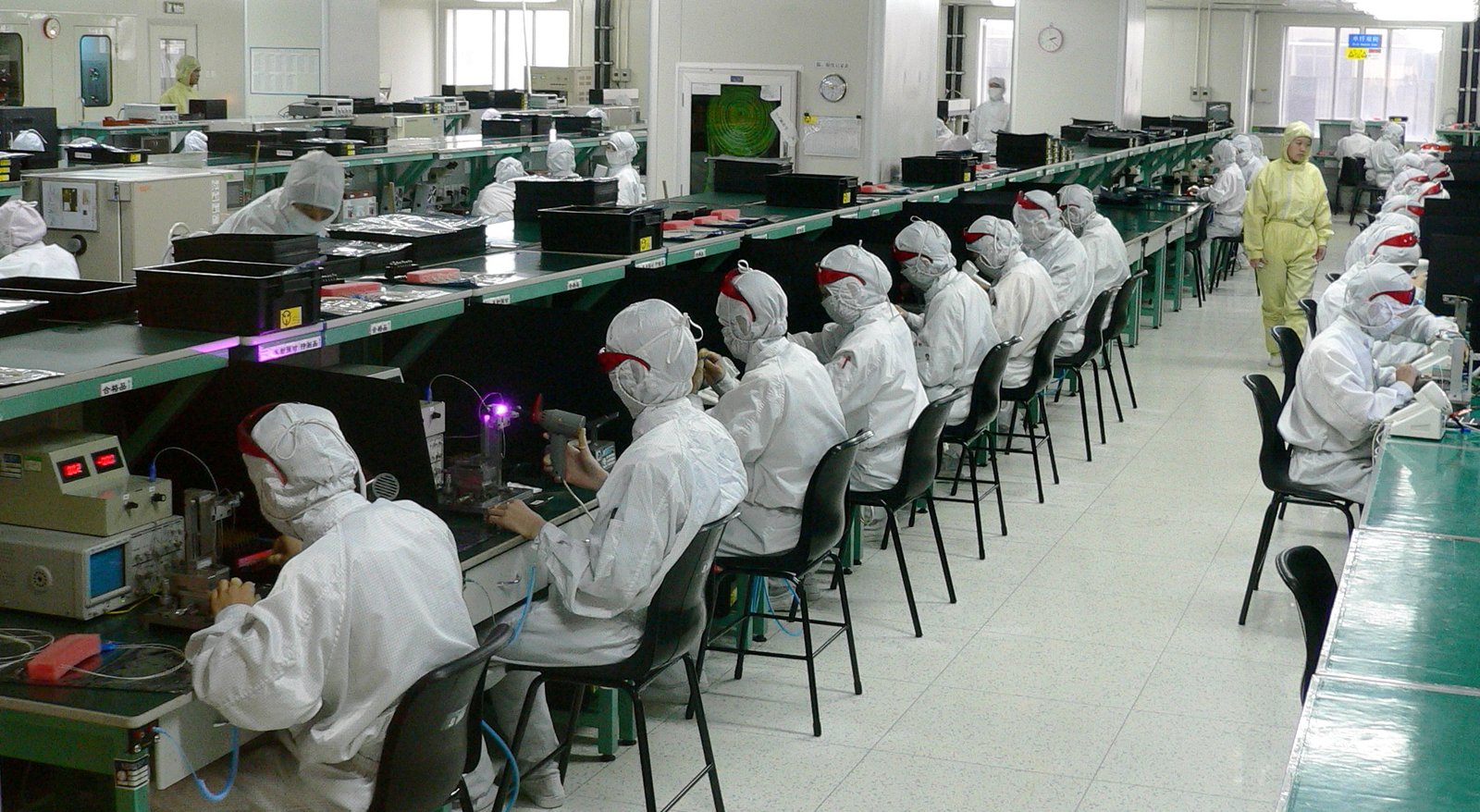
Apple's strategic move to initiate trial production of its AirPods in Vietnam signifies a pivotal shift in the global manufacturing landscape. This trial run, as reported by Bloomberg, is a precursor to potentially larger-scale production migrations, indicating Vietnam's growing importance as a manufacturing hub. The implications of this trial are significant; if successful, it could pave the way for more tech giants to consider Vietnam as an alternative to traditional manufacturing bases like China. This move also highlights Vietnam's capacity to handle high-tech, precision manufacturing, which is a critical factor in attracting further foreign direct investment (FDI) in the electronics sector.
The decision to trial AirPods production in Vietnam is not an isolated event but part of a broader trend. Apple has been diversifying its supply chain to mitigate risks associated with over-reliance on a single manufacturing base. This strategy is further supported by the geopolitical tensions and trade disputes that have affected global supply chains in recent years. By expanding production to Vietnam, Apple is not only spreading risk but also capitalizing on the country's cost-competitive labor force and its strategic location for accessing Southeast Asian markets.
Vietnam's appeal as a manufacturing destination is further bolstered by its participation in various free trade agreements (FTAs), which provide preferential access to large markets. According to the Ministry of Finance, these FTAs have been instrumental in attracting FDI, particularly in the manufacturing sector. The ability to produce and export goods with reduced tariffs or duties is a significant draw for multinational corporations like Apple, as it can enhance their competitiveness in global markets.
Lastly, the trial production of AirPods in Vietnam underscores the country's progress in terms of infrastructure and industrial capabilities. The successful execution of such a trial requires a robust supply chain, skilled labor, and efficient logistics – all of which Vietnam has been actively developing. This development not only benefits Apple but also positions Vietnam to attract more high-value manufacturing projects, potentially transforming its economy and enhancing its role in the global supply chain.
Vietnam's Access to ASEAN Free Trade Bloc
Vietnam's strategic position within the ASEAN free trade bloc is a significant factor in its attractiveness to manufacturers, as it provides preferential access to a market of over 600 million consumers. The ASEAN Economic Community (AEC), established in 2015, aims to create a single market and production base, which facilitates the free flow of goods, services, investment, and skilled labor within the region. This integration allows Vietnam to offer manufacturers tariff-free access to a vast consumer base, a crucial advantage in the global manufacturing landscape.
The Ministry of Finance noted that Vietnam's participation in numerous free trade agreements (FTAs), including those with the European Union and the Comprehensive and Progressive Agreement for Trans-Pacific Partnership (CPTPP), further enhances its appeal as a manufacturing hub. These agreements not only reduce tariff barriers but also streamline regulatory processes, making it more cost-effective and efficient for businesses to operate in Vietnam. The diversification of trade partners mitigates risks associated with reliance on a single market, thus bolstering the country's position in the global supply chain.
According to VASEP, Vietnam's seafood exports to ASEAN countries have seen a significant increase, highlighting the growing trade ties within the bloc. This growth in intra-ASEAN trade is indicative of the broader trend of increasing economic interdependence, which is likely to attract more foreign direct investment (FDI) into Vietnam's manufacturing sector. The ease of doing business within the ASEAN region, facilitated by the AEC, is a compelling factor for businesses looking to expand their operations in Southeast Asia.
Moreover, the regional supply chain diversification efforts, as observed by Bloomberg, are increasingly favoring Vietnam due to its robust manufacturing capabilities and strategic location. The country's ability to serve as a production base for goods that can be easily distributed across the ASEAN region positions it as a key player in the regional and global economy. This, in turn, is expected to drive further investment and expansion in Vietnam's manufacturing sector, as companies seek to capitalize on the benefits of operating within the ASEAN free trade bloc.
Vietnam's Average Salary in 2026
Vietnam's average salary is projected to increase significantly by 2026, a trend that could impact the manufacturing sector's cost dynamics. According to the Ministry of Finance, the average monthly salary is expected to rise to $400 by 2026, a substantial increase from the current levels. This upward trajectory in wages is a reflection of the country's growing economy and the increasing demand for skilled labor. As labor costs escalate, manufacturers may need to reassess their cost structures and consider the implications for profitability. The rising salary expectations could also influence investment decisions, as companies weigh the benefits of a low-cost labor force against the escalating expenses.
The anticipated increase in wages to $400 per month by 2026 could also affect Vietnam's competitiveness in the global manufacturing arena. Currently, Vietnam is perceived as a cost-effective manufacturing hub due to its relatively lower wages compared to other Southeast Asian countries. However, as salaries rise, the cost advantage may diminish, potentially altering the investment landscape. Manufacturers may seek to optimize operations or invest in automation to maintain competitiveness, which could lead to a shift in the types of investments that are attractive in the region.
Moreover, the projected salary increase to $400 per month by 2026 could have broader socio-economic implications for Vietnam. Higher wages can lead to improved living standards and increased consumer spending, which in turn can stimulate domestic demand and economic growth. This development could make Vietnam an even more attractive destination for foreign direct investment, as a growing consumer market presents new opportunities for businesses. However, it also raises questions about the sustainability of the current economic model and the need for a diversified approach to economic development.
Lastly, the anticipated wage growth to $400 per month by 2026 highlights the need for continuous investment in human capital and skills development in Vietnam. As wages increase, there is a corresponding expectation for higher productivity and quality of work. This underscores the importance of education and vocational training to ensure that the workforce can meet the demands of a more competitive and technologically advanced manufacturing sector. Investment in human capital will be crucial for Vietnam to maintain its position as a preferred manufacturing destination and to transition towards a more knowledge-based economy.
Global Consumer Trends Impacting Manufacturing Shift
The shift in manufacturing towards Southeast Asia is significantly influenced by global consumer trends, particularly the demand for sustainable and ethically produced goods. "According to VASEP," the growing preference for eco-friendly products has led to a surge in demand for manufacturers that adhere to stringent environmental and social standards. This trend has implications for manufacturers, as they must now consider the environmental footprint of their production processes to remain competitive in the global market. The shift towards more sustainable practices is not only driven by consumer demand but also by regulatory pressures, which are becoming increasingly stringent.
Another key trend impacting the manufacturing exodus is the rise of digital technology and its integration into production processes. "Bloomberg" has noted that the adoption of Industry 4.0 technologies, such as automation and data analytics, is becoming a critical factor in maintaining efficiency and reducing costs. Manufacturers moving to Southeast Asia are not only seeking lower labor costs but also the opportunity to leverage these advanced technologies to stay ahead in a competitive global market. This technological shift is expected to lead to higher productivity and more customized products, which are increasingly sought after by consumers.
The diversification of consumer preferences is also a driving factor behind the manufacturing shift. "The Ministry of Finance noted..." that as consumer tastes become more varied and niche markets emerge, manufacturers need to be closer to these diverse markets to respond quickly to changing demands. Southeast Asia, with its diverse population and growing middle class, offers a fertile ground for manufacturers to tap into these emerging trends and customize their production to meet specific regional needs.
Lastly, the trend towards nearshoring and reshoring is impacting the manufacturing landscape. "Bloomberg" has reported that the COVID-19 pandemic has exposed the vulnerabilities of long supply chains, prompting companies to reconsider their manufacturing locations. The desire to bring production closer to consumer markets to reduce lead times and mitigate risks has accelerated the shift towards Southeast Asia. This trend is expected to continue as companies seek to enhance supply chain resilience and reduce their exposure to geopolitical risks.
The $42billion manufacturing exodus towards Southeast Asia signifies a strategic pivot in global manufacturing dynamics. As the region's diverse population and burgeoning middle class create niche markets, manufacturers are repositioning to be closer to these consumers, enabling swift adaptation to changing demands. This shift, coupled with the trend towards nearshoring and reshoring, is driven by the need to bolster supply chain resilience and reduce geopolitical risks. the market suggests anticipate increased investment opportunities in Southeast Asia as companies reconfigure their production footprints to tap into these emerging markets and enhance operational flexibility.
The implications of this manufacturing shift are manifold. Companies that can successfully navigate the complexities of establishing operations in Southeast Asia stand to benefit from the region's growing consumer base and its strategic position in the global supply chain. Additionally, as the region becomes a manufacturing hub, there may be an uptick in demand for local suppliers and service providers, presenting opportunities for investment in ancillary industries. The data suggests that the trend towards regionalization of manufacturing is likely to persist, with Southeast Asia emerging as a key beneficiary of this global shift.