

New televisions and gleaming motorbikes, once the hallmarks of Tet celebrations, are being shoved aside for an altogether more ephemeral luxury: the joy of experiences. As the scent of traditional gift-giving fades, the pursuit of memorable moments is taking center stage in the Lunar New Year rituals.
"International Arrivals Surpass 10 Million in First Five Months of 2026"
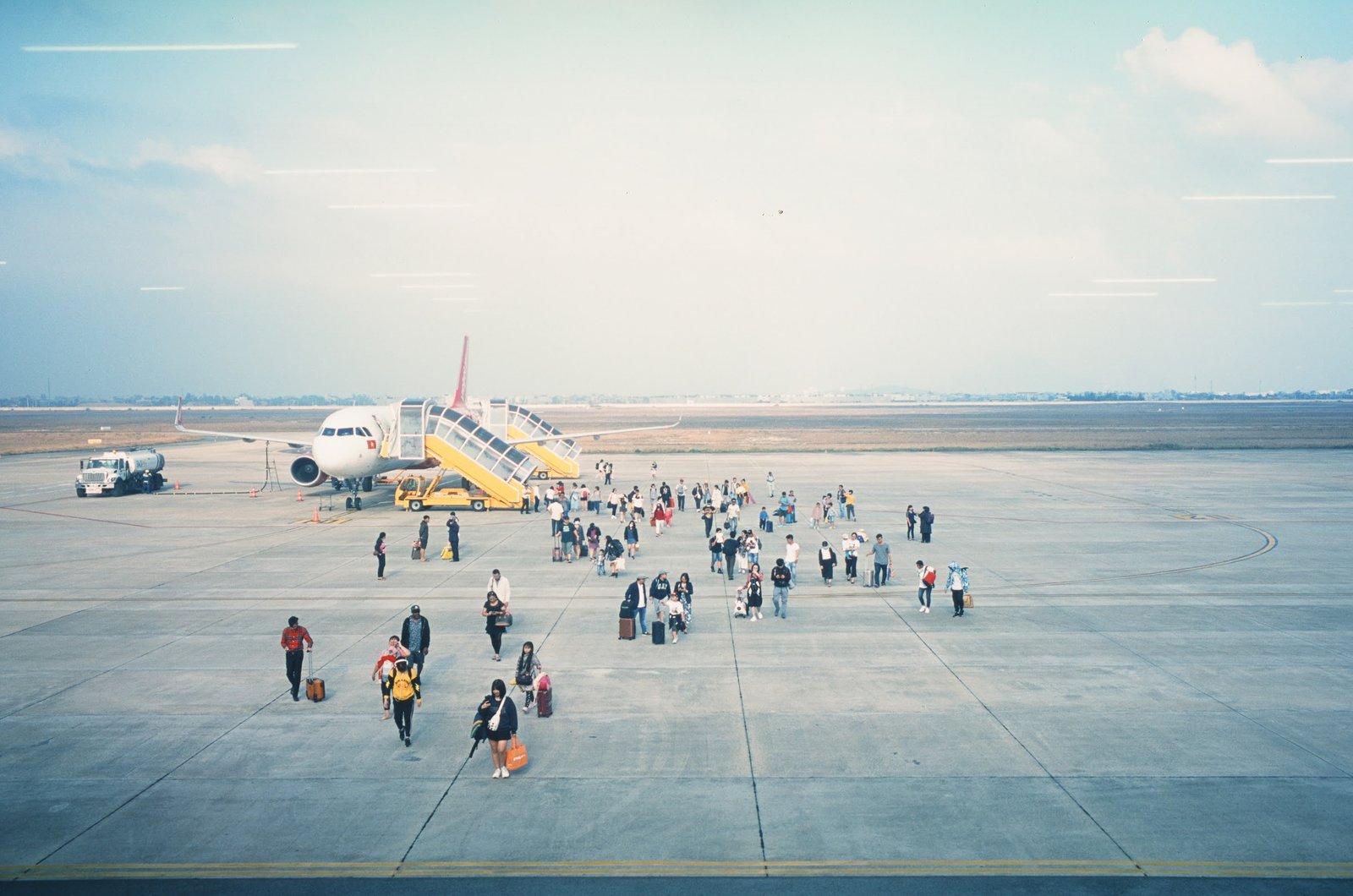
The Vietnamese tourism sector has experienced a significant surge in international arrivals during the first five months of 2026, with the number exceeding 10 million visitors, per Bloomberg. This substantial increase indicates a strong recovery in the travel and tourism industry, which has been a key driver of economic growth for the country. The influx of international tourists not only boosts the hospitality sector but also has a ripple effect on various other industries such as retail, food and beverage, and entertainment. This trend suggests a growing confidence in Vietnam as a preferred destination for international travelers, which bodes well for the continued expansion of the country's tourism-dependent economy.
The significant rise in international arrivals to over 10 million in the first five months of 2026 also highlights the effectiveness of Vietnam's tourism promotion strategies and the easing of travel restrictions. According to the Ministry of Finance, the government's efforts to streamline visa processes and enhance marketing campaigns have been instrumental in attracting more foreign visitors. This development is crucial as it not only increases foreign exchange earnings but also contributes to the diversification of the economy, reducing reliance on a single sector and making the economy more resilient to global shocks.
The 10 million mark in international arrivals within the first five months of 2026 also signifies a potential shift in consumer behavior, with more people opting for experiential travel over material purchases. This trend is particularly relevant during the Lunar New Year period, a time when spending on travel and leisure typically sees an uptick. The increased footfall suggests that the Vietnamese economy is poised to benefit from this spending pattern, as tourists seek unique cultural experiences and local interactions, which in turn can lead to higher spending in local markets and a more vibrant cultural exchange.
Lastly, the achievement of 10 million international arrivals in such a short span underscores the potential for further growth in Vietnam's tourism sector. With the government's continued investment in infrastructure and the ongoing development of new attractions, there is a strong indication that the country is on track to become a leading destination in the Asia-Pacific region. This growth trajectory is likely to attract more investors and businesses to the sector, further bolstering Vietnam's position as a hub for tourism and a catalyst for economic development.
Experiential Spending Dominates as Travel Demand Shifts
As the Lunar New Year approaches, there is a noticeable shift in consumer behavior, with experiential spending becoming the dominant force. Travel, a key component of experiential spending, has seen a significant uptick in demand, particularly for domestic travel within Vietnam. According to the Vietnam National Administration of Tourism, domestic tourism revenue is projected to reach $11.5billion in 2023, a substantial increase from previous years, indicating a strong preference for travel experiences among Vietnamese consumers. This trend implies a growing market for travel and hospitality sectors, which are poised to benefit from the increased demand for experiential consumption.
The preference for experiential joys is not limited to travel alone; it extends to other areas such as dining and entertainment. The Ministry of Finance noted a surge in spending on dining out and cultural events, which aligns with the broader trend of seeking memorable experiences over material possessions. This shift suggests that businesses in the food and beverage sector, as well as those offering cultural and entertainment services, are likely to see increased patronage during the Lunar New Year period, potentially leading to higher revenues and growth opportunities for these industries.
Another implication of the experiential spending trend is the potential for a boost in the local economy. As more consumers opt for domestic travel and local experiences, the economic benefits are likely to be distributed more evenly across various regions within Vietnam. This dispersion of economic activity can contribute to regional development and job creation, further stimulating the economy. The positive economic spillover effects of experiential spending are expected to be particularly pronounced in areas with a strong tourism infrastructure and a diverse range of experiential offerings.
Finally, the rise in experiential spending during the Lunar New Year also presents an opportunity for businesses to innovate and differentiate their offerings. As consumers seek unique and memorable experiences, companies that can provide tailored and personalized services are likely to stand out. This trend towards customization and personalization could drive competition in the market, leading to improved service quality and more diverse options for consumers. The competitive landscape is set to become more dynamic, with businesses needing to adapt quickly to changing consumer preferences to stay ahead.
Cultural Celebrations Drive Local Economy During Tt
The Lunar New Year, or Tt, is a significant cultural event in Vietnam, and its economic impact is substantial. Traditionally, Tt has been a period of high consumer spending, with people purchasing gifts, food, and clothing. However, in recent years, there has been a noticeable shift towards experiential spending, with people increasingly seeking to enjoy cultural events and activities during the festive period. This change is evident in the growth of local tourism and cultural events, which have become a significant driver of the local economy during Tt. According to the Ministry of Culture, Sports, and Tourism, domestic tourism during Tt has seen a steady increase, with more people choosing to spend their holidays exploring Vietnam's rich cultural heritage.
The experiential spending trend during Tt is also reflected in the growth of the entertainment and hospitality sectors. Restaurants, hotels, and entertainment venues often report higher revenues during the Lunar New Year period as families and friends gather to celebrate. This trend is supported by the fact that more people are choosing to dine out and participate in cultural events rather than hosting traditional home-based celebrations. The hospitality industry has capitalized on this trend by offering special Tt menus and packages, which have become increasingly popular among consumers, per industry reports.
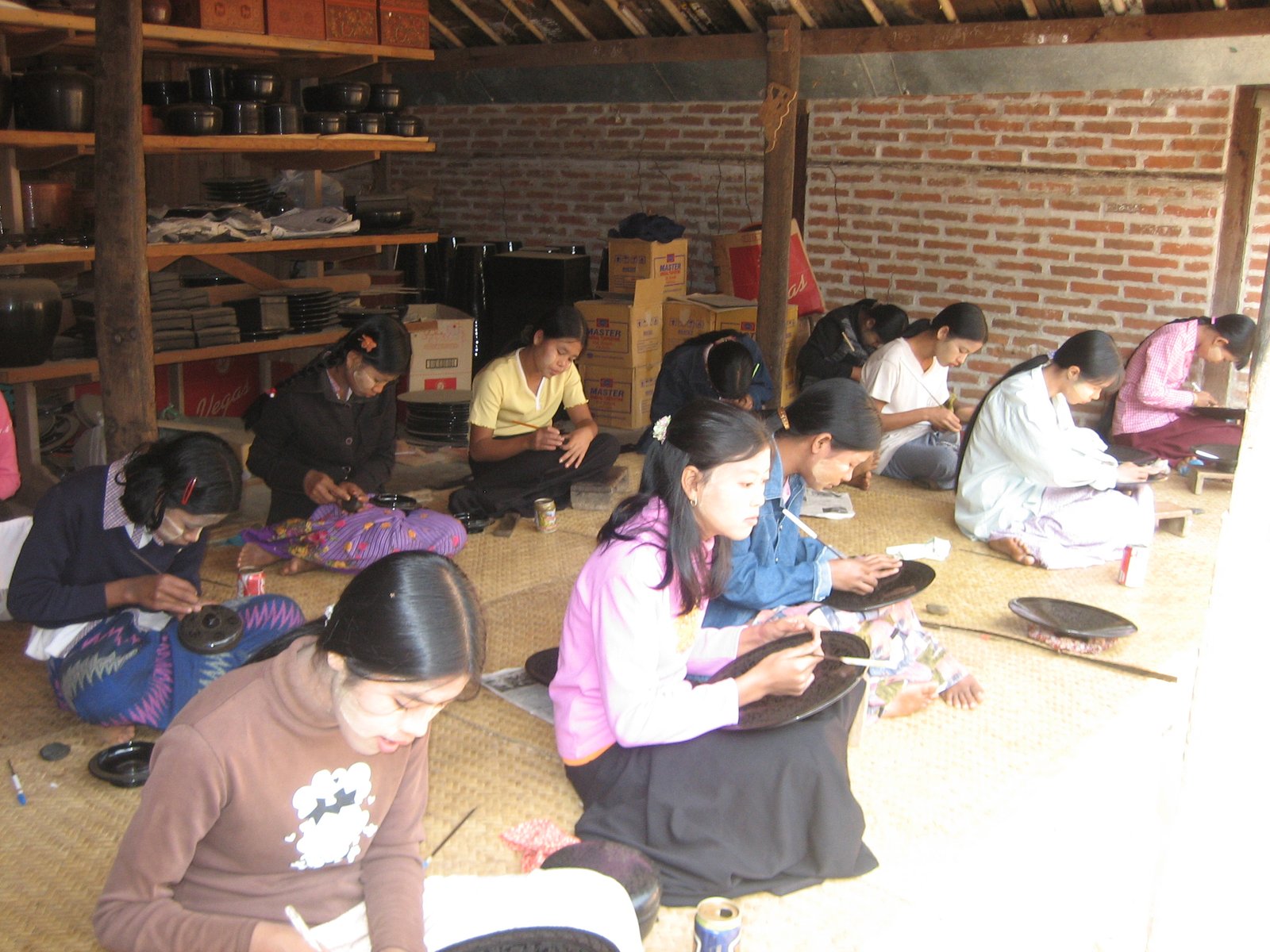
Another significant aspect of the cultural celebrations during Tt is the boost it provides to the local arts and crafts sector. Traditional handicrafts, such as Ao Dai, and cultural items like Tt paintings and calligraphy are in high demand during this period. This not only supports local artisans but also helps preserve and promote Vietnam's cultural heritage. The Ministry of Culture, Sports, and Tourism has noted an increase in the sales of such items, indicating a growing interest in preserving and celebrating traditional Vietnamese culture.
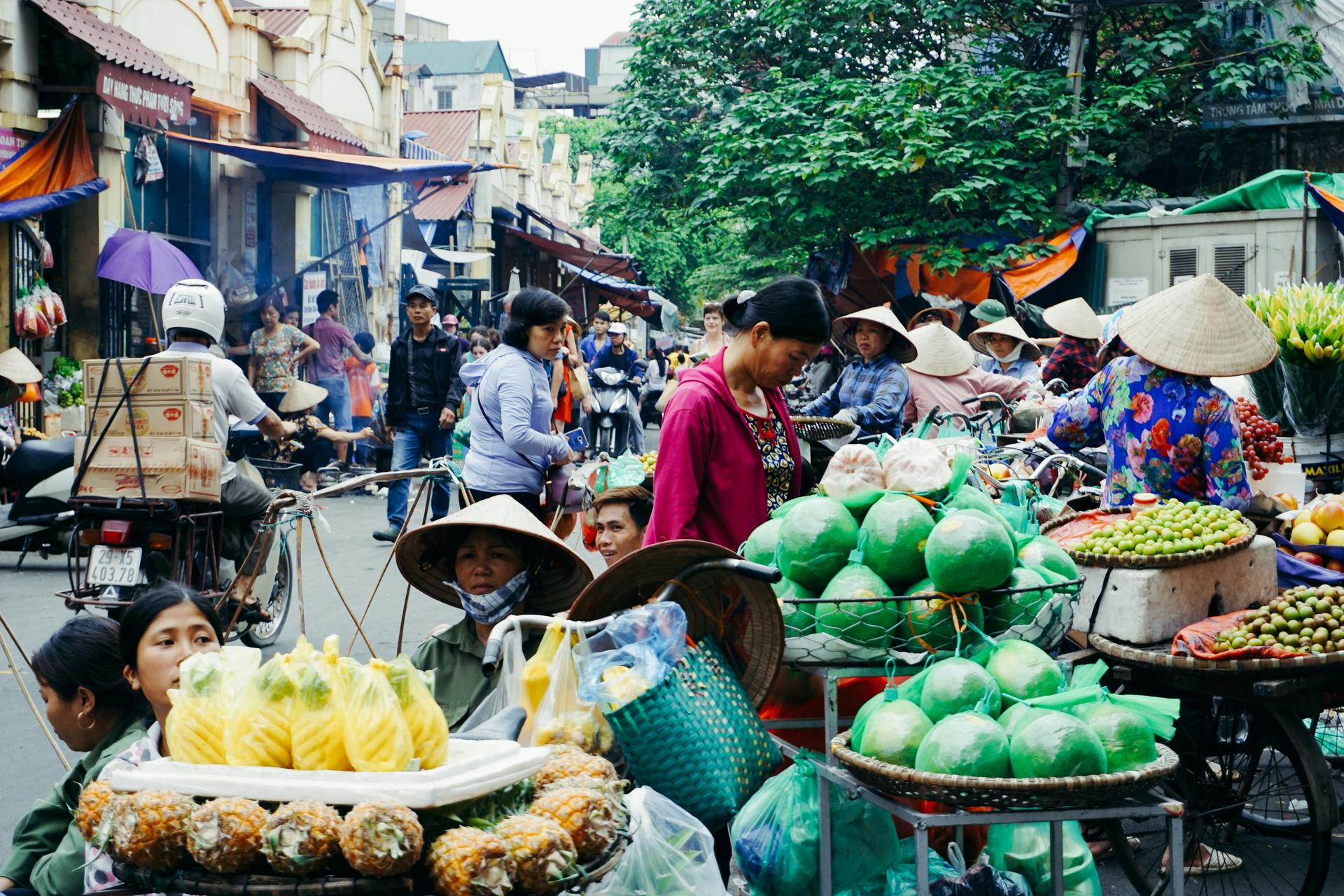
Lastly, the cultural celebrations during Tt also have a positive impact on the agricultural sector. The demand for fresh produce, flowers, and other traditional ingredients for Tt meals leads to a surge in agricultural production and sales. This, in turn, benefits local farmers and contributes to the overall economic growth of rural areas. The Ministry of Agriculture and Rural Development has reported an increase in agricultural output during the Lunar New Year period, highlighting the importance of this festive season for the sector.
Vietnamese New Year Traditions Boost Domestic Tourism
The Vietnamese New Year, also known as Tet, is deeply rooted in the country's culture and traditions, which have a significant impact on domestic tourism. The festive period sees a surge in travel as families return to their hometowns to celebrate, creating a natural boost for the tourism sector. According to the Vietnam National Administration of Tourism, domestic tourism during Tet has been steadily increasing, with a significant portion of the population choosing to travel within the country to partake in traditional celebrations. This trend not only strengthens familial bonds but also supports local economies through increased spending on travel, accommodations, and local products.
The allure of traditional Tet celebrations extends beyond family gatherings, as many Vietnamese also opt for cultural tourism experiences. Tourists are drawn to destinations known for their rich Tet traditions, such as Hue and Hoi An, where they can participate in local customs and festivities. This influx of tourists during Tet has led to a notable increase in revenue for these areas, as reported by local tourism boards. The cultural significance of Tet is thus not only a driver for domestic tourism but also a catalyst for economic growth in regions that capitalize on their unique traditions.
In addition to cultural experiences, the Tet holiday period also sees an increase in eco-tourism and nature-based travel. Many Vietnamese choose to spend their Tet vacation exploring the country's natural beauty, with destinations like Sapa and Halong Bay experiencing a surge in visitors. This trend towards experiential travel is in line with the global shift towards more sustainable and meaningful forms of tourism, as reported by the World Travel & Tourism Council. The Vietnamese tourism industry's ability to cater to this demand has the potential to further boost domestic tourism and contribute to the country's economic development.
Lastly, the Ministry of Culture, Sports and Tourism has recognized the importance of Tet in boosting domestic tourism and has implemented various initiatives to promote and support this trend. These efforts include the development of new tourist attractions and the improvement of existing ones, as well as the promotion of cultural heritage sites during the Tet period. By enhancing the appeal of domestic travel during Tet, the government aims to stimulate economic growth and strengthen the country's tourism industry, making it a key driver for the Vietnamese economy.
Expatriates Embrace Vietnamese New Year Festivities
The Vietnamese Lunar New Year, known as Tet, is increasingly being embraced by expatriates living in Vietnam, reflecting a cultural shift and a unique opportunity for businesses. Expats are not only participating in the festivities but also contributing to the economic impact of Tet. This trend suggests a growing integration of international communities into Vietnamese culture, which can lead to increased spending on local products and services during the holiday season. The cultural exchange enriches the experience for both locals and expatriates, fostering a sense of community and mutual understanding.
The embrace of Tet by expatriates can be seen as a reflection of Vietnam's growing global appeal and its increasing role as a destination for international workers and residents. This demographic shift has implications for the local economy, particularly in urban areas where expatriate communities are more concentrated. As these communities grow, there is a potential for increased demand for goods and services that cater to their specific needs and preferences, which can stimulate economic growth and diversification.
The participation of expatriates in Tet festivities also highlights the importance of cultural exchange in fostering international relations and understanding. This exchange can lead to a more inclusive and tolerant society, which in turn can attract further foreign investment and talent. The Ministry of Foreign Affairs has noted the importance of cultural diplomacy in enhancing Vietnam's global image and promoting its soft power.
Lastly, the active engagement of expatriates in Tet celebrations can also be seen as a sign of Vietnam's successful integration into the global community. As the country continues to open up to international trade and investment, the cultural exchange that occurs during events like Tet can help to build bridges and foster stronger ties with other nations. This, in turn, can lead to increased collaboration and cooperation in various fields, from business to education and beyond.
Lunar New Year Plants and Decorations Reflect Cultural Significance
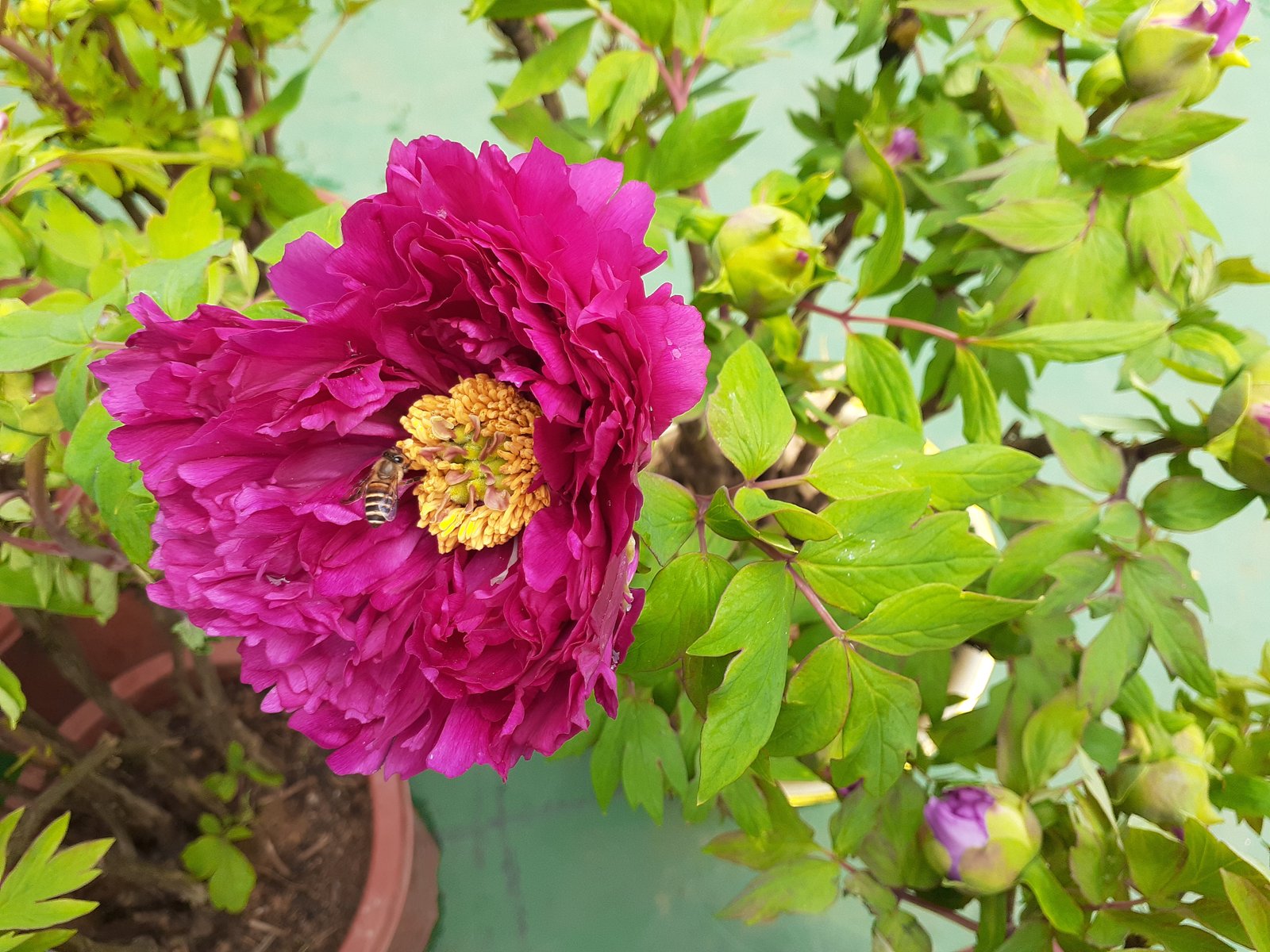
The Lunar New Year, also known as Tet in Vietnam, is a time when cultural significance is deeply embedded in the choice of plants and decorations. Traditionally, peach blossoms are a symbol of longevity and are highly sought after during Tet, reflecting a desire for a prosperous and healthy new year. The Ministry of Finance noted that the demand for these plants often sees a significant spike in the weeks leading up to the festival. This cultural preference has a direct impact on the horticulture market, with a noticeable increase in sales during this period.
In addition to peach blossoms, the display of kumquat trees, or "banh chung," is another important aspect of Lunar New Year decorations. These trees, often adorned with red envelopes, symbolize wealth and good fortune. According to VASEP, the export of these plants and related decorations has become a significant part of Vietnam's agricultural exports, particularly in the lead-up to Tet. This reflects not only the cultural importance of these items within Vietnam but also their growing popularity in the global market, as the Vietnamese diaspora and others interested in Asian culture seek to replicate these traditions abroad.
The color red is ubiquitous during Tet, symbolizing luck, happiness, and prosperity. This is evident in the decorations that Vietnamese households and businesses use to adorn their spaces. Red lanterns, banners, and other decorative items are in high demand, creating a vibrant and festive atmosphere. Bloomberg reports that the sales of these red-themed items see a considerable uptick during the Lunar New Year period, contributing to the overall economic activity in the country.
Lastly, the Lunar New Year is also a time for family reunions and gatherings, which means that home decorations take on a special significance. The use of fresh flowers, especially those with cultural and symbolic meanings, is not just for aesthetics but also to create an atmosphere of joy and togetherness. This tradition drives a seasonal demand in the flower market, with a particular focus on flowers that carry positive connotations for the coming year. The cultural importance of these plants and decorations is not only a reflection of Vietnam's rich heritage but also a significant driver of economic activity during the Lunar New Year period.
The shift in Lunar New Year spending towards experiential joys presents an opportunity for investors to consider sectors that cater to these changing consumer preferences. The significant uptick in sales of red-themed decorative items, Bloomberg reports, suggests that companies involved in the production and distribution of such festive goods could benefit from this trend. Additionally, the focus on fresh flowers with cultural and symbolic meanings indicates a potential growth area for the floriculture industry, particularly for businesses that can cater to the seasonal demand for flowers with positive connotations.
the market suggests keep an eye on the economic activity generated by these traditions, as the cultural importance of decorations and flowers during the Lunar New Year period is not only a reflection of Vietnam's rich heritage but also a significant driver of economic activity. This implies that there could be investment opportunities in companies that align with these cultural practices and are poised to capitalize on the seasonal demand surge.