




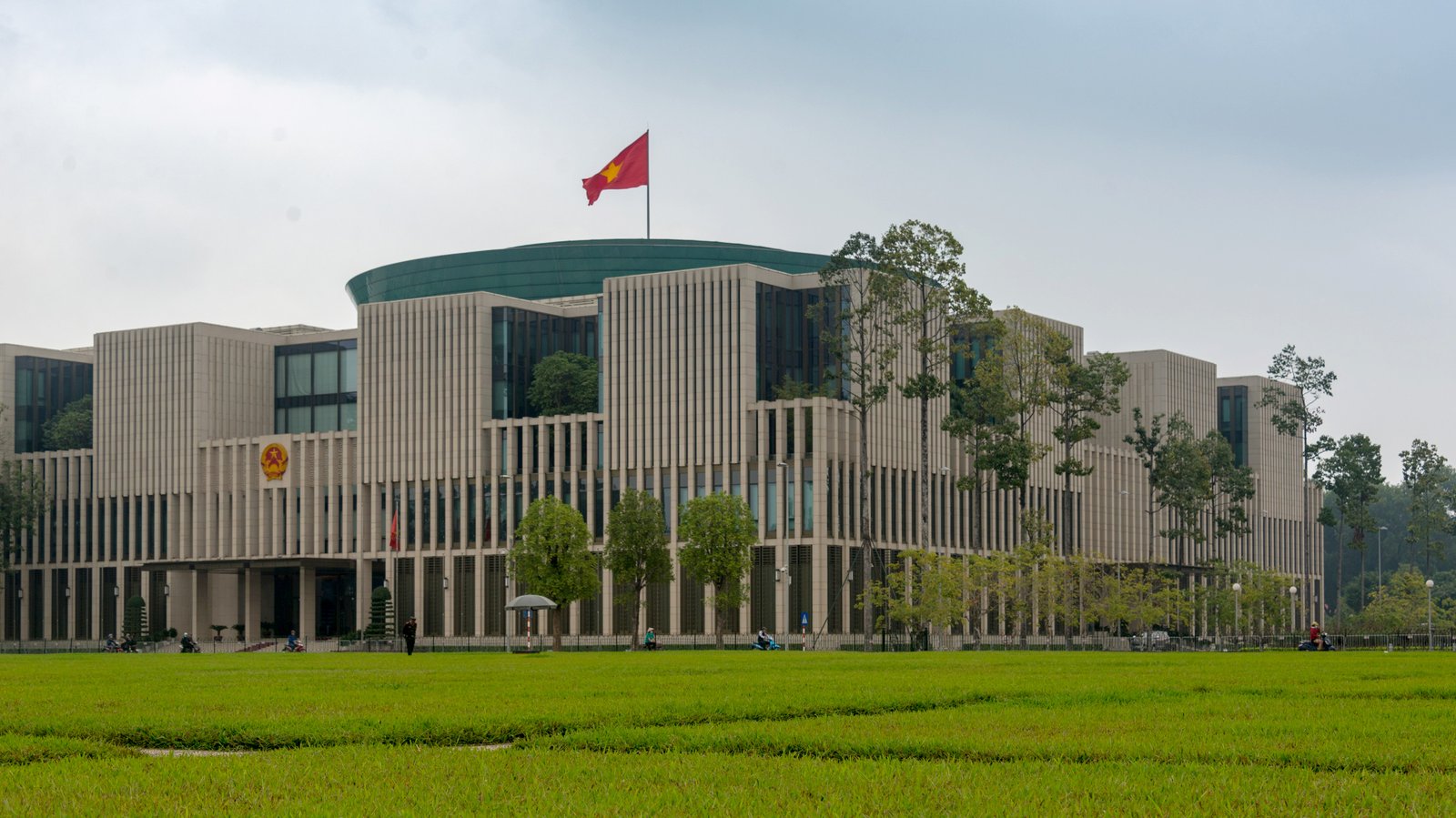
In a country where once the red tape seemed to have a life of its own, a decision is now made within a fortnight. 15, to be exact — a sprint that would have been unthinkable in Vietnam's past, where investors were once ensnared in a labyrinth of bureaucratic delays. The new pace challenges the consensus on the nation's once sluggish investment climate.
Post-Licensing Inspections Ensure Compliance
Post-licensing inspections are a critical component of the streamlined investment process, ensuring that companies adhere to the regulations and standards set forth during the licensing phase. These inspections serve as a check on businesses to maintain compliance with the stipulated guidelines, thereby upholding the integrity of the investment environment. According to the Ministry of Finance, these inspections are conducted to verify that companies are operating within the legal framework and meeting the necessary standards, which is essential for maintaining investor confidence and protecting the public interest.
The frequency and rigor of post-licensing inspections can significantly impact a company's operations, as they are subject to ongoing scrutiny to ensure ongoing compliance. This process can lead to increased operational costs for businesses, as they must allocate resources to ensure they meet the required standards at all times. Per Bloomberg, such scrutiny can also deter potential violators from engaging in non-compliant activities, as the risk of being caught and penalized is heightened.
Moreover, the effectiveness of post-licensing inspections is contingent upon the transparency and efficiency of the regulatory bodies conducting them. A robust and transparent inspection process not only helps in maintaining compliance but also fosters a positive business environment where companies are incentivized to operate within the legal boundaries. This, in turn, can lead to a more stable and predictable investment climate, which is attractive to both domestic and foreign investors.
Lastly, the role of post-licensing inspections extends beyond mere compliance enforcement; they also serve as a mechanism for continuous improvement. By identifying areas of non-compliance, these inspections can prompt companies to reassess and enhance their practices, leading to better overall performance and sustainability. This iterative process of inspection and improvement is crucial for the long-term success and growth of businesses within the investment landscape.
Decree 96 Aligns with Law on Investment 2025
Decree 96, which came into effect on January 1, 2023, is designed to harmonize with the Law on Investment 2025, aiming to streamline the investment process in Vietnam. This alignment is crucial as it ensures a cohesive legal framework that supports foreign and domestic investors alike. By adhering to the stipulations of the Law on Investment, Decree 96 clarifies the procedures and conditions for investment projects, thereby reducing the ambiguity that can deter investment. This clarity is particularly important in sectors that are sensitive to regulatory changes, such as high-tech manufacturing and renewable energy, where investors require a stable and predictable legal environment to make long-term commitments.
The decree's emphasis on a 15-day approval process for investment projects is a significant step forward, as it aligns with the broader goal of the Law on Investment 2025 to enhance the efficiency of administrative procedures. This expedited timeline is expected to quicken the pace of project implementation, thereby reducing the time and resources required for investors to bring their projects to fruition. According to the Ministry of Planning and Investment, this measure is anticipated to boost investor confidence by demonstrating the government's commitment to facilitating business operations.
Post-licensing scrutiny, as mandated by Decree 96, is another area where it aligns with the Law on Investment 2025's focus on enhancing regulatory oversight. This scrutiny is intended to ensure that investment projects comply with the set regulations and contribute positively to the socio-economic development of Vietnam. By conducting regular assessments, the government can identify and address any non-compliance issues promptly, thus maintaining the integrity of the investment environment and protecting the interests of all stakeholders.
The decree's alignment with the Law on Investment 2025 also extends to the area of environmental protection. Decree 96 tightens environmental standards, which raises compliance costs for manufacturers and other industries. This move reflects the government's commitment to sustainable development, as outlined in the Law on Investment. While this may pose challenges for some businesses, particularly those with legacy operations, it also presents opportunities for those who can innovate and adapt to the new standards, potentially giving them a competitive edge in the market.
Lastly, the decree's alignment with the Law on Investment 2025 is evident in its approach to public-private partnerships (PPPs). Decree 96 provides a framework for PPPs, which is in line with the Law on Investment's aim to encourage private sector participation in infrastructure and public services. This alignment is significant as it offers a structured approach for private investors to engage with the government on projects of mutual interest, thereby fostering a more dynamic and collaborative investment landscape in Vietnam.
Environmental Assessments Deferred, Not Waived
The decree's approach to environmental assessments is a significant departure from previous practices, as it allows for the deferral of environmental impact assessments (EIA) until after the investment license is granted. This change is aimed at streamlining the investment process, reducing the initial bureaucratic hurdles for investors. However, it does not mean that environmental considerations are waived; rather, they are shifted to a post-licensing phase. This shift implies that while the initial investment approval process may be expedited, regulatory requirements still be prepared to meet stringent environmental standards once their projects are underway, as non-compliance could lead to penalties or project suspensions.
The Ministry of Finance noted that this change is part of a broader effort to attract more foreign direct investment (FDI) into the country. By reducing the upfront regulatory burden, the government hopes to make Vietnam a more attractive destination for international investors. However, this strategy also carries the risk of attracting projects that may not be environmentally sustainable in the long term. It is crucial for investors to understand that while the initial approval process may be faster, the environmental standards they must adhere to post-licensing remain as rigorous as before.
According to VASEP, the Vietnamese Association of Seafood Exporters and Producers, this new approach could potentially lead to a surge in investment projects in the seafood industry, which is a significant contributor to Vietnam's economy. However, the industry also faces significant environmental challenges, including overfishing and pollution. Investors in this sector must be aware that while the initial investment approval may be quicker, they will still need to invest in sustainable practices to meet the post-licensing environmental standards.
The deferral of environmental assessments until after the investment license is granted could also have implications for the country's efforts to combat climate change. Bloomberg has reported that Vietnam is particularly vulnerable to the impacts of climate change, with rising sea levels and more frequent natural disasters posing significant risks. The new decree's focus on speeding up investment approvals may inadvertently encourage projects that contribute to these environmental challenges, unless stringent post-licensing environmental assessments are effectively implemented and enforced.
Relevance for Foreign Investors and Multinationals
The decree's emphasis on streamlined investment approval processes, particularly the 15-day approval timeline, is a significant draw for foreign investors and multinationals looking to expedite their entry into Vietnam's market. This swift approval period can significantly reduce the bureaucratic hurdles that are often associated with foreign direct investment, thereby attracting more international capital. According to VASEP, this could lead to a surge in foreign investment, especially in sectors that are heavily regulated and require prompt licensing. The shortened approval time not only signals a more business-friendly environment but also implies a potential increase in the speed of project implementation, which is crucial for multinationals with global timelines.
Post-licensing scrutiny, as mandated by the decree, introduces a new layer of regulatory oversight that foreign investors and multinationals must consider. This ongoing monitoring can ensure compliance with local regulations and standards, which is essential for maintaining the integrity of Vietnam's investment climate. However, it also implies that regulatory requirements be prepared for continuous regulatory engagement and potential adjustments to their operations post-investment. The Ministry of Finance noted that this scrutiny is aimed at fostering a more transparent and accountable business environment, which can be seen as a positive development for foreign entities seeking a stable and predictable regulatory framework.
The decree's focus on environmental and social governance (ESG) standards is particularly relevant for multinationals that are increasingly prioritizing sustainable business practices. The decree's requirements for ESG compliance can align with the global trend towards responsible investment, making Vietnam an attractive destination for companies that are committed to ESG principles. This alignment can also help multinationals meet the expectations of their international stakeholders, including investors and consumers who are increasingly demanding ESG accountability.
Lastly, the decree's provisions for post-licensing scrutiny and adherence to compliance standards can have significant implications for the operational strategies of foreign investors and multinationals. regulatory requirements now factor in the potential for increased regulatory oversight and the need for ongoing compliance efforts in their business planning. This can lead to a reevaluation of risk assessments and may necessitate additional resources to ensure compliance, which could impact the overall cost structure and strategic planning for multinational operations in Vietnam.
Global Regulatory Updates Highlight Compliance Importance
The recent decree in Vietnam, which mandates a 15-day approval process for investment projects, underscores the growing importance of regulatory compliance in global investment environments. This streamlined process is indicative of a broader trend where governments are seeking to expedite investment approvals to stimulate economic growth, yet without compromising on regulatory oversight. According to VASEP, the decree also introduces post-licensing scrutiny, ensuring that projects adhere to set standards even after they have been approved. This implies that while the initial approval process is expedited, the ongoing compliance checks serve as a safeguard to maintain quality and integrity in investment projects.
In the context of environmental standards, the decree's emphasis on post-licensing scrutiny is particularly noteworthy. As per Bloomberg, the decree tightens environmental standards, raising compliance costs for manufacturers. This shift suggests that while the Vietnamese government is keen on attracting investments, it is equally focused on ensuring that these investments do not come at the expense of environmental sustainability. The implication for investors is clear: they must factor in the increased costs of compliance and the potential for stricter regulatory scrutiny when planning and executing their projects.
The decree's focus on compliance also extends to the financial sector, as highlighted by the Ministry of Finance. The decree requires financial institutions to enhance their risk management capabilities, a move that is likely to impact the investment landscape by promoting a more stable and secure financial environment. This development suggests that investors will need to navigate a more regulated financial sector, which could potentially limit some investment opportunities but also reduce the risk of financial instability.
Lastly, the decree's emphasis on compliance is reflective of a global trend towards stricter regulatory oversight. As countries around the world grapple with issues ranging from environmental degradation to financial instability, the need for robust regulatory frameworks has become more pressing. Investors operating in this environment must be prepared to navigate an increasingly complex regulatory landscape, where compliance is not just a box to be ticked but a critical factor in the success and sustainability of their investments.
The Ministry of Finance's decree, which mandates financial institutions to enhance risk management capabilities, signals a shift towards a more regulated financial sector. This move is likely to impact investors by potentially limiting some investment opportunities while simultaneously reducing the risk of financial instability. The emphasis on compliance within the decree aligns with a global trend towards stricter regulatory oversight, which is crucial in addressing pressing issues such as environmental degradation and financial instability. Investors will need to adapt to this increasingly complex regulatory landscape, where compliance is a critical factor in the success and sustainability of their investments.
The 15-day approval process and post-licensing scrutiny introduced by the decree could streamline investment processes, making them more efficient. However, it also implies that regulatory requirements be prepared for heightened scrutiny and potentially higher compliance costs. The decree's focus on risk management and compliance suggests that the market suggests anticipate a financial environment where stability is prioritized over rapid growth, potentially leading to a reevaluation of risk-reward profiles in investment decisions.