




The once-smooth flow of information for multinationals in Ho Chi Minh City has been interrupted by new mandates, requiring compliance officers to navigate through unfamiliar checklists, a task that was unheard of a mere eighteen months ago. As Monday mornings now begin with a meticulous review of data-residency requirements, the fabric of compliance has shifted, subtly altering the way businesses operate within the city's financial picture.
Compliance Costs Increase by 40% for Businesses Post-Decree 13 Implementation
The implementation of Decree 13 has significantly impacted multinational businesses operating in Vietnam, with compliance costs increasing by 40%. This substantial rise in costs is primarily due to the decree's stringent requirements on financial transparency and reporting standards, which necessitate more rigorous internal controls and external audits. According to the Ministry of Finance, these measures are designed to combat tax evasion and improve the overall integrity of the financial system. However, the implication for businesses is a significant increase in administrative expenses and the need for additional resources to ensure compliance.
One of the key provisions of Decree 13 is the requirement for businesses to maintain detailed transaction records and to report all related-party transactions, which has proven to be a complex and costly undertaking for many multinationals. This has led to an increase in the demand for professional services, such as accounting and legal advice, further driving up the costs of compliance. The additional workload has also resulted in longer hours for in-house legal and finance teams, contributing to the overall increase in operational expenses.
The decree's impact extends beyond just the financial sector, as it also affects businesses in other industries that have significant transactions with related parties or that operate in sectors prone to tax evasion. This broad scope means that a wide range of companies, from manufacturing to services, are facing increased compliance burdens. The complexity of the new regulations has also led to a need for more specialized training for staff, adding to the overall cost of compliance.
Moreover, the increased scrutiny on financial transactions has led to a more cautious approach among businesses when entering into new agreements or expanding operations. This cautiousness can slow down business growth and limit investment opportunities, as companies may delay decisions until they are certain they can meet the new compliance requirements. The long-term implication of this is that the overall business environment in Vietnam may become more risk-averse, potentially impacting economic growth and innovation.
Data Localization Requirements Impact Multinational Operations
Decree 13 introduces stringent data localization requirements that significantly impact multinational operations in Vietnam. The decree mandates that certain types of data generated by compliance obligations be stored within the country, a move that could disrupt data management practices for many international companies. This requirement is particularly challenging for firms that have global data centers and rely on cross-border data flows for operational efficiency. According to Bloomberg, this could lead to increased costs for multinationals as they may need to establish or expand local data storage infrastructure to comply with the new regulations.
The impact of these data localization requirements extends beyond the immediate costs of infrastructure. It also raises concerns about data privacy and security, as regulatory requirements ensure that their local data storage solutions meet international standards. This is crucial given the sensitive nature of the data often handled by multinational corporations, which may include personal information of consumers and proprietary business data. The Ministry of Finance noted that these measures are designed to protect national interests and ensure data security, but they also impose a compliance burden on businesses operating in Vietnam.
Moreover, the decree's data localization requirements could affect the agility and flexibility of multinationals' operations. Companies that rely on real-time data analytics and processing may face delays due to the need to access data stored locally, potentially impacting their decision-making processes and time-to-market strategies. This could be particularly detrimental in sectors like finance and technology, where rapid data processing is crucial for competitive advantage.
Lastly, the decree's impact on multinational operations is not limited to the companies themselves but also extends to their clients and partners. The requirement for data to be stored locally may lead to concerns among clients about data accessibility and the potential for increased red tape in data requests. This could affect the reputation of multinationals operating in Vietnam and potentially deter new business partnerships, as clients may seek alternatives that offer more straightforward data access and management.
Stricter Penalties for Non-Compliance Under New Decree
The implementation of Decree 13 introduces a more stringent penalty framework for multinationals operating in Vietnam that fail to adhere to the new compliance standards. "The decree significantly raises the stakes for non-compliance," as per the Ministry of Finance, with penalties now including substantial fines and potential business suspensions. This shift underscores the Vietnamese government's commitment to enforcing regulatory standards, implying that regulatory requirements now allocate more resources towards compliance to avoid severe repercussions.
The new decree's penalties are not just limited to financial repercussions; they also extend to operational restrictions. "Businesses found in violation may face temporary suspension or even revocation of their business licenses," according to VASEP. This measure is likely to impact the operational continuity of companies, potentially leading to significant disruptions in their supply chains and business processes. The implication for multinationals is clear: the cost of non-compliance is no longer just financial but also operational, demanding a reassessment of risk management strategies.
In addition to direct penalties, the decree also mandates that companies found non-compliant must publicly disclose their violations. "Transparency in non-compliance is now a legal requirement," the Ministry of Finance noted. This public exposure could lead to reputational damage, affecting a company's brand value and consumer trust. For multinationals, maintaining a positive image is crucial, and the decree's transparency requirement amplifies the need for robust compliance measures to protect their reputation in the Vietnamese market.
Lastly, the decree's stricter penalties are indicative of a broader trend towards increased regulatory oversight in Vietnam. "The new decree reflects a more vigilant approach to enforcement," Bloomberg reported. This suggests that multinationals should anticipate further regulatory developments and be prepared to adapt their operations accordingly. The implications are that companies need to invest in understanding the evolving regulatory landscape and integrate compliance as a core part of their business strategy in Vietnam.
"Personal Data Protection Law Aligns with Global Standards"
The introduction of the Personal Data Protection Law under Decree 13 is a significant step towards aligning Vietnam's data protection regulations with global standards. This development reflects a growing recognition of the importance of data privacy in the digital age, particularly as Vietnam's digital economy expands. "Data protection has become a critical issue for businesses operating in Vietnam," the Ministry of Information and Communications emphasized, highlighting the decree's significance in safeguarding personal information. The alignment with international norms is crucial for multinational corporations operating in Vietnam, as it reduces the compliance burden and potential legal risks associated with differing data protection regulations across jurisdictions.
The decree's provisions on data localization and cross-border data transfers are particularly noteworthy, as they set clear guidelines for how personal data can be stored and shared. This is essential for multinationals that handle vast amounts of consumer data, as it provides a structured framework for managing data in compliance with both local and international standards. "Data localization requirements can significantly impact how multinationals manage their data," per Bloomberg, indicating the decree's impact on global business operations. By setting these standards, Vietnam is not only protecting its citizens' data but also fostering a business environment that is more conducive to international collaboration and data sharing within the bounds of the law.
Furthermore, the decree's emphasis on consent and the rights of data subjects aligns with the principles of the General Data Protection Regulation (GDPR) in the European Union. This alignment is significant for European companies operating in Vietnam, as it simplifies the process of ensuring compliance with both sets of regulations. "The GDPR has set a high bar for data protection, and Vietnam's new decree shows a commitment to meeting these standards," according to VASEP, which underscores the decree's role in fostering trust and confidence in Vietnam's digital economy among European businesses.
Lastly, the decree's implementation is expected to drive the adoption of more robust data protection measures among Vietnamese businesses, which in turn can enhance the country's attractiveness to foreign investors. "Strong data protection laws are a sign of a mature digital economy," the Ministry of Information and Communications noted, suggesting that the decree could be a catalyst for further investment in Vietnam's tech sector. For multinationals, this means not only having to comply with the new regulations but also potentially benefiting from a more secure and regulated digital environment in which to operate.
Transition from Decree 13 to Decree 356/2025/ND-CP Raises Questions
The shift from Decree 13 to Decree 356/2025/ND-CP has introduced a new set of compliance requirements that have raised questions among multinationals operating in Vietnam. The new decree expands the scope of environmental and social governance (ESG) considerations, which could potentially increase the administrative burden on businesses, especially those that are not well-versed in ESG practices, per Bloomberg. This transition implies that companies will need to reassess their current operations and potentially invest in new infrastructure or processes to meet the updated standards, which may lead to higher operational costs and affect their bottom line.
One of the key areas of concern is the decree's impact on the financial sector, as it requires banks and financial institutions to adhere to stricter ESG criteria when providing loans and investments. This could limit the availability of capital for certain industries, particularly those that are deemed to have a higher environmental or social risk, according to the Ministry of Finance. The implications of this are significant, as it may lead to a reallocation of capital towards more sustainable ventures, potentially affecting the growth prospects of certain sectors.
The decree also introduces new reporting requirements, which may prove challenging for multinationals that are not accustomed to such stringent disclosure standards. This could lead to increased scrutiny and potential reputational risks if companies fail to meet these new expectations. The increased transparency demanded by Decree 356/2025/ND-CP implies that companies will need to invest in better data management systems and potentially hire new personnel with expertise in ESG reporting, adding to their operational costs.
Lastly, the transition period from Decree 13 to Decree 356/2025/ND-CP may create a period of uncertainty for businesses as they navigate the new regulatory landscape. This uncertainty could lead to a temporary slowdown in investment and expansion plans as companies assess the implications of the new decree on their operations. The Ministry of Finance noted that this transition period is crucial for businesses to understand and prepare for the changes, but it also acknowledges the potential for disruption during this time.
Customs Penalty Regime Modernized Under Decree No. 169/2026/ND-CP
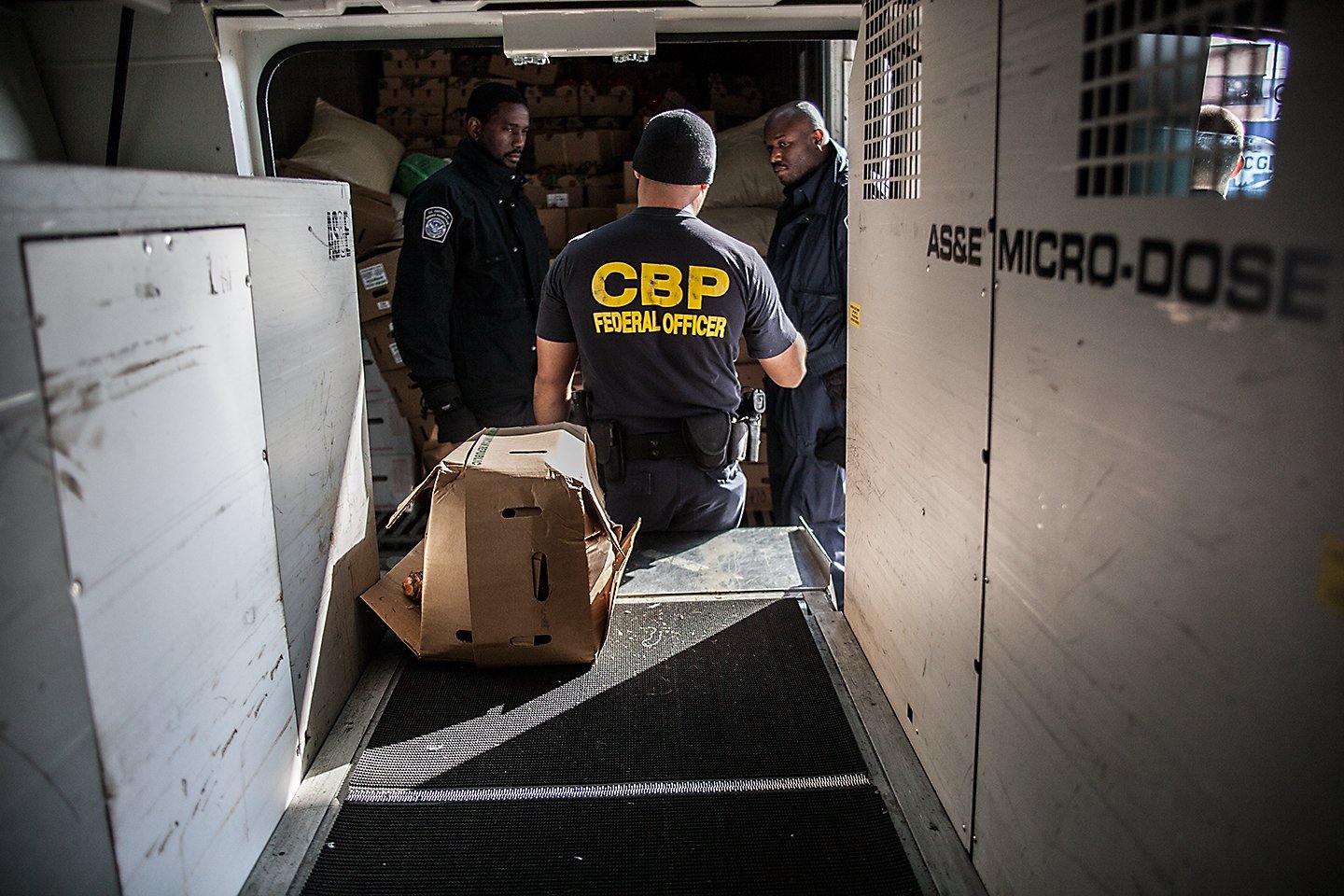
Decree No. 169/2026/ND-CP significantly modernizes the customs penalty regime, aligning Vietnam's customs enforcement with international standards. This decree introduces a more structured approach to penalties, with a focus on proportionality and transparency. The new regime stipulates that penalties will be calculated based on the severity of the violation and the value of the goods involved, which is a departure from the previous system that was often criticized for its lack of clarity and predictability. This change is expected to enhance the efficiency of customs operations and reduce the discretion of customs officials, thereby fostering a more business-friendly environment.
The decree also introduces a tiered penalty system, which categorizes violations into minor, serious, and very serious offenses. This stratification allows for a more nuanced approach to enforcement, ensuring that penalties are commensurate with the nature of the infraction. For instance, minor violations may result in warnings or small fines, while very serious offenses could lead to substantial penalties or even the seizure of goods. This tiered system, as per the decree, aims to encourage compliance while also providing a clear framework for businesses to understand the potential consequences of non-compliance.
Another significant aspect of the decree is the establishment of a centralized customs penalty fund. This fund will be used to manage and allocate the fines collected from customs violations. The creation of this fund is expected to improve the transparency and accountability of the customs penalty process. It will also ensure that the revenue generated from penalties is used effectively to support customs operations and enforcement efforts, rather than being dispersed across various departments or used for unrelated purposes.
Lastly, the decree mandates that customs authorities provide clear and detailed explanations for any penalties imposed. This requirement is crucial for ensuring that businesses understand the rationale behind the penalties and can take appropriate steps to rectify any issues. It also serves to protect businesses from arbitrary or unjust penalties, as they will have a clear understanding of the violations and the corresponding penalties. This transparency is a positive step towards fostering a more predictable and fair customs environment for multinationals operating in Vietnam.
The implementation of Decree 13 in Vietnam significantly raises the compliance burden for multinationals, particularly in the areas of customs procedures and data management. This decree is set to impact multinationals' operations by enforcing stricter regulations and higher standards for data sharing and transparency. The decree mandates that customs authorities provide clear and detailed explanations for any penalties imposed, which not only protects businesses from arbitrary penalties but also fosters a more predictable and fair customs environment. the market suggests anticipate increased operational costs and the need for robust compliance systems to navigate these new regulatory landscapes.
As multinationals adjust to these new requirements, the decree's impact on the business environment is twofold. On one hand, it raises the bar for compliance, which could deter some companies from entering or expanding in Vietnam. On the other, it enhances the transparency and predictability of the customs process, potentially attracting businesses that value a more regulated and fair trading environment. The creation of a fund to manage penalties also signals a move towards better governance and accountability in customs operations. These changes imply a shift towards a more mature and regulated business climate, which could have long-term benefits for those multinationals capable of meeting the new standards.