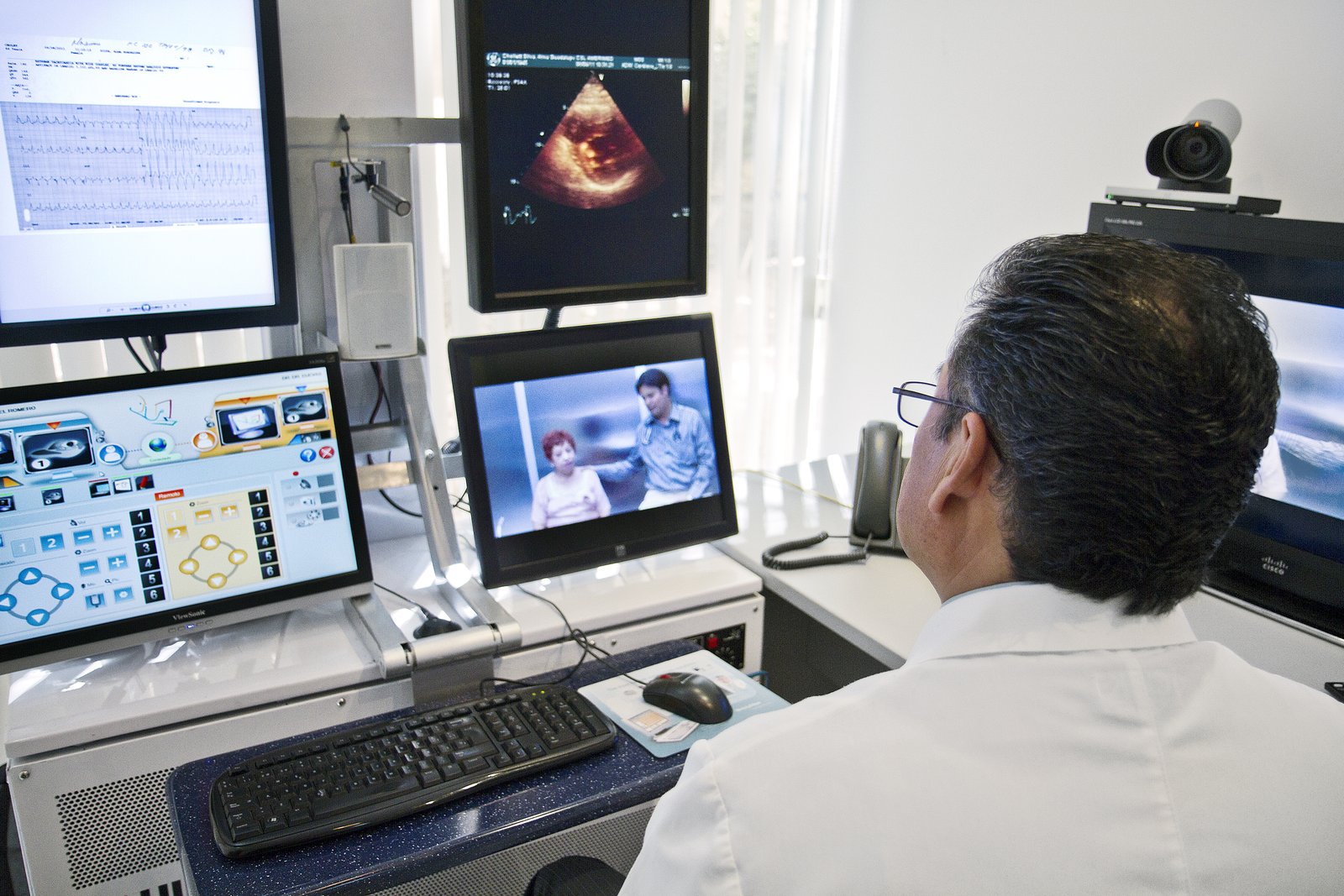





In a village clinic enveloped by the stillness of dawn, a patient's heartbeat is monitored through a screen by a distant doctor, a subtle yet significant indication of a broader shift in healthcare. As the world has often overlooked the promise of remote diagnostics, the integration of smart devices and telemedicine is quietly redefining the picture of medical care.
Digital Healthcare Infrastructure: Assessing the Current State and Future Prospects
Vietnam's healthcare sector has been undergoing a digital transformation, with a significant focus on enhancing its digital healthcare infrastructure. The country's commitment to this transformation is evident in its strategic plan to increase the number of hospitals and clinics equipped with advanced medical devices and telemedicine capabilities by 2026. This initiative is expected to bolster the efficiency and reach of healthcare services, particularly in rural and remote areas where access to quality healthcare has been a longstanding challenge. The Ministry of Health has been instrumental in outlining the roadmap for this digital transformation, emphasizing the importance of technology in improving patient outcomes and reducing healthcare disparities.
In terms of telemedicine, Vietnam has been making strides to integrate this service into its healthcare system. The Ministry of Health has been actively promoting the use of telemedicine, which allows for remote consultations and monitoring of patients, thereby reducing the need for physical hospital visits. This approach not only enhances patient convenience but also helps in managing the spread of infectious diseases, as it minimizes person-to-person contact. The integration of telemedicine into the healthcare system is a reflection of the country's adaptability and its willingness to leverage technology for the betterment of public health.
The digital transformation in healthcare is also driven by the need to improve data management and analytics capabilities. The Ministry of Health has recognized the importance of robust data systems in facilitating evidence-based decision-making and improving the quality of care. By 2026, the goal is to have a comprehensive electronic health record system in place, which will enable healthcare providers to access patient data more efficiently and make informed decisions regarding treatment plans. This system will also facilitate the sharing of medical information between different healthcare providers, enhancing the continuity of care for patients.
Furthermore, the digital transformation in healthcare is expected to have a significant impact on the country's economy. The Ministry of Planning and Investment has noted that the healthcare sector is a key driver of economic growth, and the digital transformation is set to boost this further. The investment in smart medical devices and telemedicine is anticipated to create new job opportunities and stimulate innovation within the sector. This economic impact is a testament to the potential of digital healthcare infrastructure to not only improve patient care but also contribute to the overall development of the country.
Smart Medical Devices: Innovations and Market Potential
The integration of smart medical devices into Vietnam's healthcare system reflects a broader trend of digital transformation within the industry. These devices, which encompass a range of technologies from wearable health trackers to advanced diagnostic equipment, are poised to revolutionize patient care and data management. The potential market size for such devices is significant, with the global market for medical devices expected to reach $678billion by 2025, per Bloomberg. This growth is driven by an aging population, increased prevalence of chronic diseases, and advancements in technology. The implications for Vietnam are profound, as the adoption of smart medical devices can lead to improved patient outcomes and reduced healthcare costs.
The Vietnamese government has recognized the importance of smart medical devices in enhancing the quality of healthcare services. According to the Ministry of Health, the country is actively promoting the development and application of medical devices that leverage digital technologies. This initiative is part of a broader effort to modernize the healthcare sector and improve access to quality healthcare services for the population. The integration of smart devices into healthcare facilities is expected to increase efficiency, reduce errors, and enhance patient safety, thereby improving the overall healthcare ecosystem.
The market potential for smart medical devices in Vietnam is further bolstered by the country's commitment to digital transformation. As part of the national strategy, the government has been investing in the development of digital infrastructure, which is crucial for the effective deployment and operation of smart medical devices. This investment is expected to facilitate the adoption of these devices by healthcare providers, thereby expanding the market for smart medical devices in Vietnam. The growth of this market is also supported by the increasing awareness among healthcare professionals and patients about the benefits of using digital health technologies.
In terms of innovation, Vietnam has been making strides in the development of smart medical devices. Local companies, in collaboration with international partners, are working on the creation of devices that cater to the specific needs of the Vietnamese population. These innovations not only have the potential to improve healthcare outcomes but also position Vietnam as a significant player in the global market for smart medical devices. The development of a domestic industry for smart medical devices can lead to job creation, technology transfer, and increased competitiveness in the global market.
Telemedicine: Bridging the Gap in Rural Healthcare Access
The integration of telemedicine into Vietnam's healthcare system has become a critical strategy to address the disparity in healthcare access, particularly in rural areas. The geographical distribution of healthcare facilities has historically been uneven, with urban centers having a higher concentration of medical resources. Telemedicine, by its nature, allows for the extension of medical services beyond the confines of physical healthcare facilities, thereby bridging the gap in rural healthcare access. This shift is not only a response to the immediate needs but also aligns with the long-term vision of a digitalized healthcare system, as outlined in the national strategy for digital transformation.
The potential of telemedicine to improve healthcare outcomes in rural Vietnam is underscored by the fact that a significant portion of the population resides in these areas, often far from advanced medical facilities. According to the General Statistics Office, approximately 65% of Vietnam's population lives in rural areas. The implementation of telemedicine services can therefore reach a substantial number of people who would otherwise have limited access to quality healthcare. This is especially pertinent given that the Ministry of Health has identified the need to enhance healthcare services in rural and remote areas as part of its strategic plan.
The economic implications of telemedicine are also significant. By reducing the need for patients to travel long distances for medical consultations, telemedicine can lower the financial burden on individuals and families. This is particularly important in a country where, according to the World Bank, the poverty rate in rural areas is higher than in urban areas. The cost savings from reduced travel and accommodation expenses can be substantial, especially for those living in remote regions where medical facilities are scarce.
Moreover, the integration of telemedicine into the healthcare system is expected to boost the efficiency of healthcare delivery. By allowing healthcare professionals to consult with patients remotely, the system can better manage the distribution of medical resources. This is crucial in a country where, as per the Ministry of Health, there is a shortage of healthcare professionals, particularly in rural areas. Telemedicine can help alleviate this shortage by enabling a single healthcare professional to consult with multiple patients in different locations simultaneously, thereby improving the efficiency of healthcare delivery.
Lastly, the adoption of telemedicine is poised to enhance the quality of healthcare services in rural Vietnam. By providing remote access to specialists and advanced diagnostic tools, telemedicine can ensure that patients in rural areas receive the same level of care as those in urban centers. This is in line with the government's commitment to improving healthcare quality and equity, as highlighted in the National Strategy for Digital Transformation. The potential for telemedicine to equalize healthcare services across different regions of the country is a significant step towards achieving this goal.
Investment Landscape: Foreign Direct Investment (FDI) Opportunities and Challenges
The Vietnamese healthcare sector's digital transformation has opened up a plethora of opportunities for Foreign Direct Investment (FDI). The government's push towards smart medical devices and telemedicine has been bolstered by its commitment to improving healthcare infrastructure, as evidenced by the $1.5billion allocated for healthcare development in the 2021-2025 period, according to the Ministry of Health. This investment is expected to create a conducive environment for foreign investors looking to capitalize on the growing demand for advanced medical technologies and services in Vietnam.
The Vietnamese government's regulatory framework has also been instrumental in shaping the FDI landscape. Decree No. 142/2026/ND-CP, which sets out the conditions for foreign investors in the healthcare sector, has streamlined the process for obtaining investment licenses and has facilitated the entry of foreign entities into the market. This regulatory clarity has been a significant draw for investors, as it provides a predictable and transparent business environment, thereby reducing the associated risks with investing in a new market.
However, challenges remain for FDI in Vietnam's healthcare sector. One of the primary concerns is the need for adherence to compliance standards, particularly with regards to data privacy and cybersecurity. The Law on Personal Data Protection, which is set to come into effect in 2023, will impose stringent requirements on how healthcare providers manage and protect patient data. Foreign investors will need to ensure their operations are in line with these regulations to avoid potential penalties and maintain the trust of Vietnamese patients.
Lastly, the competitive landscape within Vietnam's healthcare sector should not be overlooked. With an increasing number of domestic and international players vying for market share, FDI in smart medical devices and telemedicine will require strategic positioning and differentiation to succeed. Investors will need to consider how their offerings align with the specific needs of the Vietnamese market and how they can leverage local partnerships to gain a competitive edge.
Regulatory Environment: Navigating the Path to Digital Healthcare Adoption
The regulatory landscape in Vietnam is pivotal in shaping the digital transformation of healthcare. The Ministry of Health has been instrumental in establishing a framework that fosters innovation while ensuring patient safety and data security. Decree No. 142/2026/ND-CP, which sets forth the legal basis for telemedicine services, is a testament to the government's proactive approach in integrating digital solutions into the healthcare sector. This decree not only provides a clear regulatory pathway for telemedicine but also mandates the protection of patient data, aligning with the Law on Personal Data Protection. The implication is that while digital healthcare solutions are encouraged, they must adhere to strict data privacy and security standards, thereby safeguarding patient rights.
In addition to telemedicine, the regulatory environment is also conducive to the adoption of smart medical devices. The Ministry of Health has been working on guidelines that would govern the use and approval of such devices, ensuring they meet international standards of safety and efficacy. This regulatory clarity is crucial for manufacturers and investors, as it provides a predictable environment for innovation and investment. The guidelines, once finalized, will likely include provisions for clinical trials and post-market surveillance, which are essential for ensuring the reliability and safety of these devices in a Vietnamese context.
The Vietnamese government's commitment to digital healthcare is further underscored by its investment in infrastructure. The Ministry of Information and Communications has been tasked with enhancing the country's digital infrastructure, which is critical for the effective deployment of telemedicine and smart medical devices. This includes the expansion of high-speed internet and the development of a robust digital health information system. The investment in infrastructure is expected to facilitate the seamless integration of digital solutions into the healthcare system, thereby improving access to care and enhancing the quality of services provided.
Lastly, the regulatory environment in Vietnam also considers the need for international cooperation in the digital healthcare space. The Ministry of Health has been engaging with international partners to align Vietnamese regulations with global standards. This alignment is crucial for the adoption of digital healthcare solutions that can be integrated into a global healthcare ecosystem. By harmonizing regulations with international standards, Vietnam is positioning itself as a hub for medical device manufacturing and a leader in the provision of telemedicine services in the region. This strategic move not only enhances the country's healthcare capabilities but also opens up new avenues for economic growth and international collaboration.
Future Outlook: Anticipated Growth and Strategic Investments by 2026
The digital transformation in Vietnam's healthcare sector is poised to accelerate, with the market for smart medical devices and telemedicine expected to expand significantly by 2026. The Ministry of Health's commitment to integrating technology into healthcare services, as outlined in the National Strategy on Digital Health, will likely drive this growth. The strategy emphasizes the importance of digital infrastructure, which is crucial for the adoption of smart medical devices and telemedicine platforms. This development will not only improve patient care but also create opportunities for domestic and international investors looking to capitalize on the emerging digital healthcare market in Vietnam.
The Vietnamese government's efforts to foster a conducive environment for digital healthcare are further supported by the Law on Personal Data Protection, which ensures the security and privacy of patient data. This legal framework is essential for building trust among patients and healthcare providers, thereby facilitating the adoption of telemedicine and smart medical devices. The law's provisions are expected to attract more foreign investment, as companies can be confident in the protection of their intellectual property and patient data, a critical factor in the healthcare sector's digital transformation.
The anticipated growth in the digital healthcare sector is also likely to be bolstered by the country's ongoing efforts to improve its healthcare infrastructure. According to the Ministry of Health, significant investments are being made to upgrade hospitals and clinics, which will create a more robust platform for the integration of digital technologies. This infrastructure development, combined with the government's push for digitalization, implies a substantial market for smart medical devices and telemedicine solutions, offering a compelling investment opportunity for those looking to enter the Vietnamese healthcare market.
Lastly, the digital transformation in healthcare is expected to lead to increased efficiency and cost savings, which will be particularly attractive to investors. The Ministry of Finance noted that by adopting digital solutions, the healthcare sector can reduce operational costs and improve the overall quality of care. This potential for increased efficiency and cost-effectiveness is likely to make the Vietnamese healthcare market more competitive and attractive to investors, further driving the anticipated growth in the sector by 2026.
The Vietnamese government's strategic push for digital transformation in healthcare, coupled with significant investments in infrastructure, is shaping a landscape ripe for smart medical devices and telemedicine solutions. 2026 marks a pivotal year in this narrative, as the anticipated growth in the sector not only promises increased efficiency and cost savings but also positions Vietnam as a competitive player in the global healthcare market. This shift towards digitalization is likely to attract investors seeking opportunities in a sector that is both technologically progressive and cost-effective.
The integration of digital technologies in Vietnam's healthcare system is set to enhance operational efficiency, which in turn could lead to substantial cost savings. Investors are likely to find this market transformation compelling, as it aligns with their interests in both technological innovation and financial prudence. The potential for increased efficiency and cost-effectiveness could further drive the Vietnamese healthcare market's competitiveness, making it an attractive destination for investment in the coming years.