


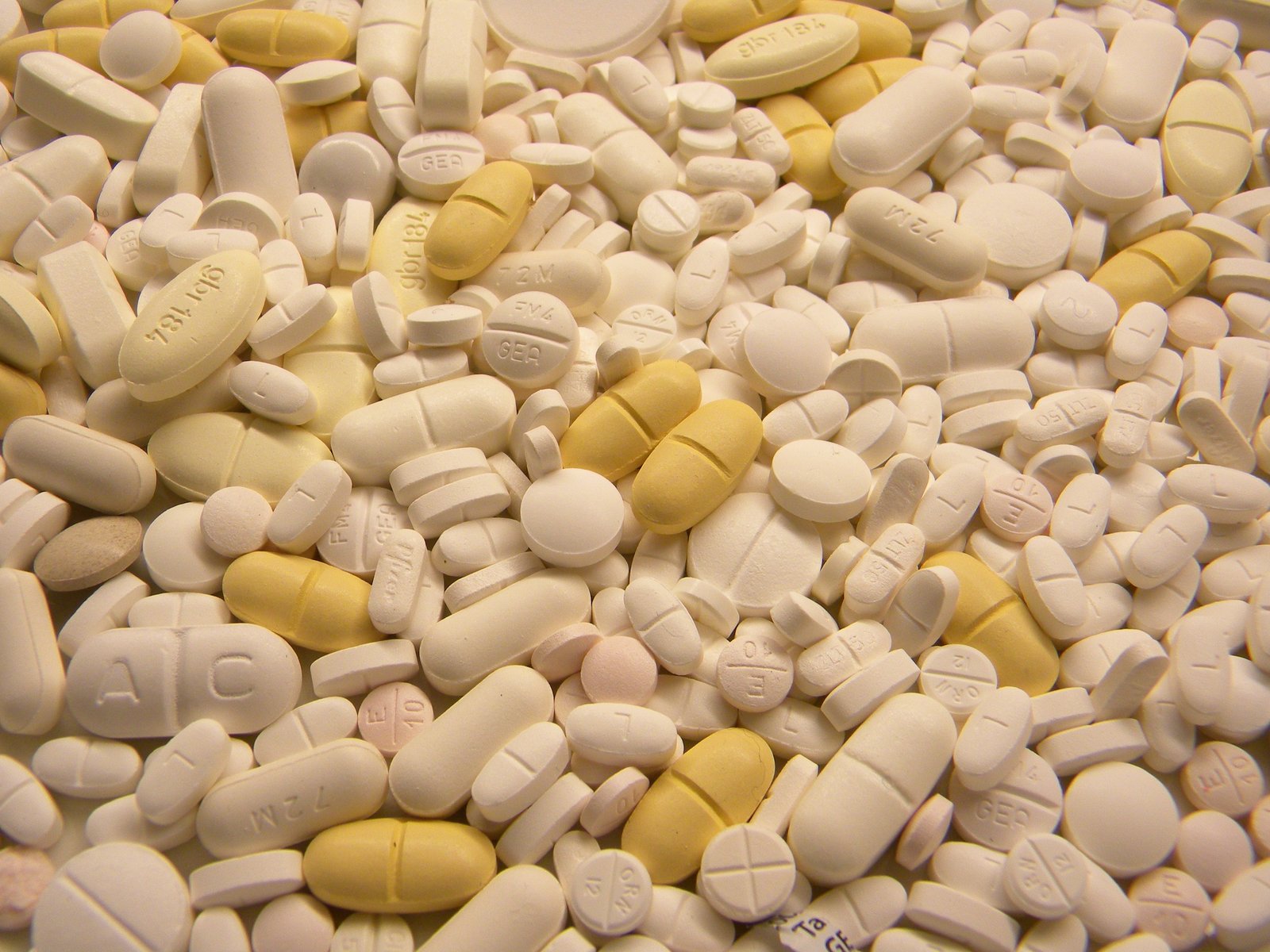
Beneath the dew-soaked eaves of a village clinic, bottles of generic drugs are being meticulously labeled, each one a droplet in a swelling tide of economic vitality. In this quiet corner, the steady thrum of progress is echoing through Vietnam's healthcare sector.
Vietnam's Average Monthly Salary Reaches $321 by 2026
Vietnam's economic growth has been a significant factor in the rise of its average monthly salary, which is projected to reach $321 by 2026. This increase in disposable income per capita is expected to have a substantial impact on the generic drug market, as it directly influences consumer purchasing power and demand for affordable healthcare solutions. The growth in average salaries, as noted by the Ministry of Finance, suggests a burgeoning middle class with increased access to healthcare, thereby creating a larger market for generic drugs. This demographic shift implies a potential increase in the demand for cost-effective pharmaceuticals, which can be a catalyst for the expansion of Vietnam's generic drug market.
The increase in average monthly salary to $321 also signifies a change in the economic landscape of Vietnam, which can attract more foreign investment into the pharmaceutical sector. As per VASEP, the rise in income levels can lead to an increase in the quality and quantity of healthcare services demanded by the population, which in turn can stimulate the growth of the generic drug industry. This is particularly relevant as the generic drug market is often more price-competitive, allowing for broader access to essential medications. The potential for increased foreign investment could lead to technological advancements and the establishment of more robust supply chains, further boosting the industry's growth.
Moreover, the projected average monthly salary of $321 by 2026 could also indicate a shift in the labor market, with more individuals seeking employment in higher-paying sectors, including pharmaceuticals. This could lead to a more skilled workforce, which is crucial for the development of a competitive generic drug market. The Ministry of Health has emphasized the importance of a skilled workforce in the healthcare sector, and the anticipated salary increase could contribute to attracting and retaining talent in the pharmaceutical industry, thereby enhancing the quality and efficiency of drug production.
Lastly, the increase in average monthly salary to $321 by 2026 could have implications for Vietnam's export potential in the generic drug market. As the country's economy grows and its pharmaceutical industry matures, there is potential for Vietnam to become a significant exporter of generic drugs, particularly to countries where cost is a critical factor in healthcare. According to Bloomberg, Vietnam's strategic location and growing economy position it well to tap into regional and global markets, which could lead to an expansion of its export capabilities in the pharmaceutical sector. This development could further solidify Vietnam's role as a key player in the global generic drug market.
Population Density Increases to 312.8 People per Square Kilometer
Vietnam's population density has risen to 312.8 people per square kilometer, a significant demographic factor impacting the generic drug market. This increase in population density, as per the latest demographic data, implies a higher demand for healthcare services, including affordable generic drugs. With a growing population, the need for accessible and cost-effective medication becomes more pressing, potentially leading to an expansion in the domestic market for generic drugs. This demographic shift could also influence pharmaceutical companies to increase their production capacities to meet the rising demand, thereby boosting the local generic drug market.
The high population density in Vietnam, particularly in urban areas, suggests a concentrated market for generic drugs. This concentration can lead to economies of scale for pharmaceutical companies, as they can target specific regions with higher demand, optimizing their distribution networks. According to VASEP, the increased demand in urban areas has already prompted some pharmaceutical companies to establish more production facilities closer to these high-density regions, ensuring faster and more efficient drug distribution.
Furthermore, the population density's increase to 312.8 people per square kilometer also presents an opportunity for the export of generic drugs. As Vietnam's pharmaceutical industry expands to meet domestic demand, it may also develop surplus production capacity. This surplus can be directed towards export markets, particularly in neighboring countries with similar demand for affordable medication. The Ministry of Finance noted that the country's pharmaceutical exports have been growing steadily, indicating the potential for further expansion in this area.
Lastly, the rise in population density to 312.8 people per square kilometer underscores the importance of public health policies in Vietnam. As the population grows, the government's role in ensuring access to affordable healthcare, including generic drugs, becomes more critical. This could lead to policy incentives for local pharmaceutical companies to increase production and innovation, further bolstering the generic drug market's growth potential.
"Pangasius Exports Surpass $900Million in First Five Months of 2026"
The Vietnamese pangasius industry has shown significant growth in the first five months of 2026, with exports reaching a record high of over $900million. This substantial increase, as per VASEP, is attributed to the industry's ability to adapt to global market demands and the resilience of its supply chains amidst various challenges. The implication of this growth is that Vietnam's pangasius sector is becoming a more prominent player in the global aquaculture market, potentially offering new investment opportunities for those interested in the agri-food sector.
The robust performance of pangasius exports can be linked to the industry's strategic focus on quality enhancement and diversification of export markets. According to VASEP, the industry has been successful in penetrating new markets and increasing its market share in existing ones, which has contributed to the $900million milestone. This diversification strategy not only reduces market risk but also positions Vietnam as a reliable supplier of pangasius, thereby enhancing its reputation in the international market.
The Ministry of Finance noted that the pangasius industry's growth has been supported by government policies aimed at promoting the sector. These policies include tax incentives, financial support for research and development, and initiatives to improve the industry's sustainability practices. The positive impact of these policies is evident in the $900million export value, indicating that the industry's growth is not only market-driven but also supported by a conducive policy environment.
Looking ahead, the pangasius industry's continued growth is expected to have a broader impact on Vietnam's economy. The $900million in exports not only contributes to the country's foreign exchange earnings but also supports job creation and rural development. This growth is likely to encourage further investment in the sector, leading to technological advancements and increased competitiveness on the global stage.
Pharmaceutical Markets Projected to Grow at a Stable Rate in 2026
The Vietnamese pharmaceutical market is anticipated to exhibit steady growth in the coming years, with a significant focus on the generic drug sector. According to VASEP, the export value of pharmaceuticals and medical instruments from Vietnam reached over $1.2billion in 2021, marking a substantial increase from previous years. This growth is expected to continue, with the market projected to expand at a compound annual growth rate (CAGR) of 7-9% by 2026. The stable growth rate is attributed to the increasing demand for affordable medicines, both domestically and internationally, which generic drugs are well-positioned to meet.
The growth prospects are further bolstered by the Vietnamese government's initiatives to bolster the pharmaceutical industry. The Ministry of Health has been instrumental in streamlining regulatory processes and enhancing the quality of domestically produced drugs, which in turn has boosted investor confidence in the sector. This has led to increased investment in research and development, as well as the expansion of production facilities, thereby positioning Vietnam to capture a larger share of the global generic drug market.
In addition to domestic production, Vietnam's strategic location and participation in free trade agreements have opened up new export opportunities. The country's generic drugs are finding their way into markets across Asia and beyond, with the potential to penetrate more markets as the quality and affordability of Vietnamese pharmaceuticals become more recognized. This expansion is further supported by the country's commitment to adhering to international quality standards, as noted by the Ministry of Health, which has been instrumental in enhancing the global competitiveness of Vietnamese pharmaceutical products.
Lastly, the Vietnamese pharmaceutical market's growth is also influenced by the global trend towards generic drug usage. As healthcare systems worldwide seek to manage costs while maintaining access to essential medicines, the demand for generic drugs is on the rise. Vietnam, with its growing capacity for high-quality generic drug production, is well-positioned to capitalize on this trend, further solidifying its position in the global pharmaceutical market by 2026.
Global Medicine Spending Growth Slows, Impacting Vietnam's Exports
Global medicine spending growth has been on a decline, which directly impacts Vietnam's pharmaceutical exports. According to Bloomberg, global spending on medicines is projected to grow by only 3.3% in 2022, down from 4.9% in 2021. This slowdown in spending growth can be attributed to various factors, including the expiration of patents for several high-revenue drugs, which leads to increased competition from generic drugs. For Vietnam, which has been ramping up its generic drug production capabilities, this trend could potentially limit the growth of its pharmaceutical export market, as the global demand for high-priced branded drugs diminishes.
The deceleration in global medicine spending growth also implies a shift in the competitive landscape for generic drug manufacturers. As per VASEP, Vietnam's pharmaceutical exports reached over $1.1billion in 2021, with a significant portion being generic drugs. However, with the slowing growth in global spending, Vietnam's pharmaceutical companies may face increased competition, not only from other generic drug manufacturers but also from the original research-based pharmaceutical companies that are now focusing more on cost-effective treatments due to the changing market dynamics.
Moreover, the Ministry of Finance noted that the global economic uncertainty, exacerbated by geopolitical tensions and the lingering effects of the COVID-19 pandemic, has led to a more cautious approach in healthcare spending. This cautious approach could further dampen the demand for pharmaceutical products, including generics, which could affect Vietnam's export potential in the short to medium term. The country's pharmaceutical industry, which has been growing at a steady pace, might need to adapt its strategies to cope with these changing global market conditions.
Lastly, the slowdown in global medicine spending growth also presents an opportunity for Vietnam to further strengthen its position in the generic drug market. By focusing on cost efficiency, quality, and innovation, Vietnamese pharmaceutical companies can potentially capture a larger share of the global generic drug market. This would require strategic investments in research and development, as well as adherence to international quality standards, to ensure that Vietnam's generic drugs remain competitive in the global market.
Global Drugmakers Boost US Presence, Affecting Vietnam's Pharmaceutical Tariffs
The increasing presence of global drugmakers in the US has significant implications for Vietnam's pharmaceutical tariffs. As these companies expand their operations in the US, they may reduce their reliance on imports from countries like Vietnam, thereby affecting Vietnam's pharmaceutical exports. This shift in global pharmaceutical production dynamics could lead to a decrease in demand for Vietnam's generic drugs, potentially impacting the country's export revenues. According to VASEP, Vietnam's pharmaceutical exports to the US have been growing steadily, but the expansion of global drugmakers in the US could alter this trend.
The US is a key market for Vietnam's pharmaceutical exports, accounting for a significant share of the country's total exports. However, the Ministry of Finance noted that as global drugmakers boost their presence in the US, Vietnam may face increased competition in this market. This could lead to a decline in Vietnam's market share, as these global companies may prioritize their own production facilities over imports from Vietnam. Consequently, Vietnam's pharmaceutical companies may need to explore alternative markets or focus on increasing their competitiveness to maintain their export growth.
The expansion of global drugmakers in the US also has implications for Vietnam's pharmaceutical tariffs. As these companies increase their production capacity in the US, they may lobby for higher tariffs on imported drugs to protect their domestic operations. This could result in higher tariffs on Vietnam's pharmaceutical exports to the US, making them less competitive in the market. According to a recent report by Bloomberg, the US has already imposed higher tariffs on certain pharmaceutical products from countries like China and India, and Vietnam could face similar measures if global drugmakers successfully lobby for protectionist measures.
Moreover, the potential for increased tariffs could also affect the cost structure of Vietnam's pharmaceutical industry. Higher tariffs would mean that Vietnamese pharmaceutical companies would have to either absorb the additional costs or pass them on to their customers, potentially leading to reduced competitiveness or lower profit margins. This could further impact the industry's growth and profitability, as well as the overall economic contribution of the pharmaceutical sector to Vietnam's GDP. The ability to adapt to these changing trade dynamics will be crucial for Vietnam's pharmaceutical companies to sustain their export-oriented growth strategy.
The Vietnamese generic drug market's potential for growth by 2026 is substantial, but it is not without challenges. The looming threat of higher tariffs on pharmaceutical exports, particularly to the US, could significantly impact Vietnam's cost structure and competitiveness. the market suggests consider the resilience of pharmaceutical companies in Vietnam to adapt to these trade dynamics, as their ability to navigate potential tariff increases will be pivotal for maintaining export-oriented growth strategies.
The implications of these trade dynamics on Vietnam's pharmaceutical industry suggest that the market suggests focus on companies with robust supply chain management and strong market positioning. The potential for increased tariffs could lead to a shakeout in the industry, favoring those companies that can absorb costs or pass them on without significantly affecting their market share. Additionally, the ability to diversify export markets and reduce reliance on a single market, such as the US, could be a strategic advantage for Vietnamese pharmaceutical companies.