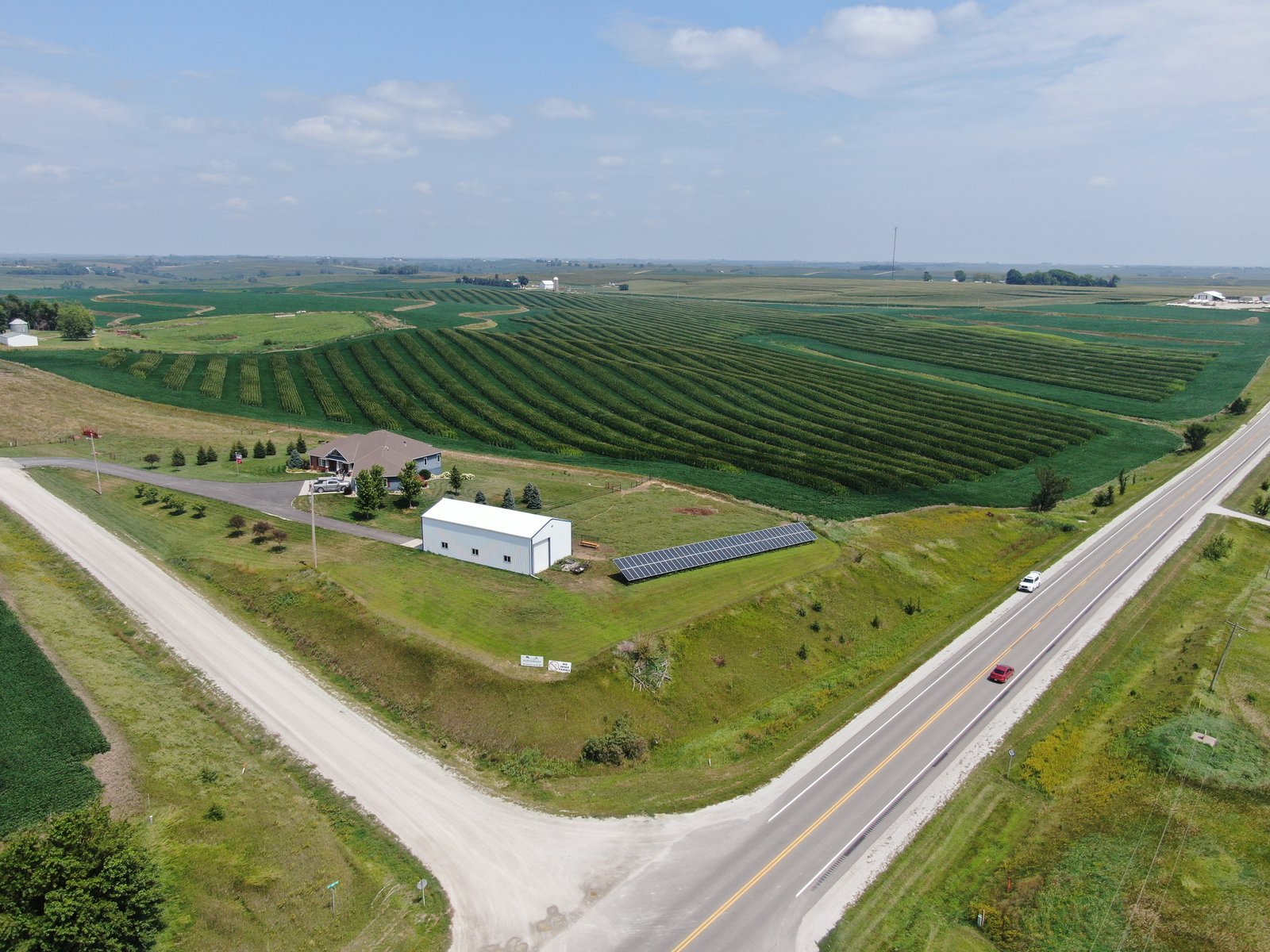





Amidst the emerging silhouette of wind turbines along the coast, a subtle yet seismic shift is taking place; the picture of foreign direct investment is being redefined, with sustainability emerging as a guiding principle. This overhaul, set against the backdrop of a nation historically known for attracting capital with less regard for environmental impact, reflects a broader reorientation in how projects are financed.
Key Sectors: Renewable Energy, Green Manufacturing, and Eco-Tourism
The Vietnamese economy has been undergoing a strategic shift towards sustainable investments, with a particular focus on renewable energy. Per Bloomberg, Vietnam's renewable energy sector has seen a surge in foreign direct investment (FDI), driven by the country's abundant natural resources and the global push for clean energy. This sector's growth is further supported by the government's commitment to reduce greenhouse gas emissions, as outlined in the Paris Agreement, and the subsequent policy frameworks that have been established to encourage green energy development. The implications of this trend are significant, as it not only positions Vietnam as a regional leader in renewable energy but also attracts FDI that aligns with global sustainability goals.
In the realm of green manufacturing, Vietnam has been actively promoting eco-friendly practices within its industrial sectors. According to VASEP, the Vietnam Association of Seafood Exporters and Producers, the country has been implementing strict environmental regulations to ensure that manufacturing processes are sustainable. This has led to an increase in FDI in green manufacturing, as companies seek to comply with these regulations and capitalize on the growing market for sustainable products. The impact of these measures is twofold: it enhances Vietnam's reputation as a responsible manufacturing hub and fosters an environment conducive to the development of green technologies and processes.
Eco-tourism represents another key sector where Vietnam is seeing a notable FDI shift towards sustainability. The country's rich biodiversity and cultural heritage offer a unique platform for sustainable tourism development. The Ministry of Finance noted that the government has been investing in infrastructure and regulatory frameworks to support eco-tourism, which has been met with a positive response from international investors. This focus on eco-tourism not only preserves Vietnam's natural and cultural assets but also creates new economic opportunities that are in line with global sustainability trends. The growth in this sector is indicative of a broader trend towards sustainable investment in Vietnam, which is expected to continue through 2026 and beyond.
Furthermore, the agricultural sector in Vietnam is also undergoing a transformation towards sustainability, with a focus on organic farming and the reduction of chemical fertilizers. A report by the Vietnam Sustainable Agriculture Transformation (VnSAT) highlighted that the country has been making strides in promoting sustainable agricultural practices, which has attracted increased FDI in the sector. This shift is crucial as it not only enhances food security but also contributes to the global effort to reduce the environmental impact of agriculture. The implications are profound, as it aligns with the United Nations' Sustainable Development Goals, particularly Goal 2, which aims to end hunger, achieve food security, and promote sustainable agriculture. This trend is expected to bolster Vietnam's position as a key player in sustainable agriculture, attracting further investment and contributing to the country's economic growth.
Policy Framework: Government Incentives and Regulatory Support
The Vietnamese government has been instrumental in shaping the country's investment landscape towards sustainability, with a clear policy framework that includes incentives and regulatory support. Decree No. 142/2026/ND-CP, which came into effect in 2026, has been pivotal in this regard, as it mandates higher environmental standards for businesses operating within the country. This decree not only raises the bar for environmental compliance but also implies a significant shift in the types of FDI the country is attracting, favoring those that align with sustainable practices. The implications are profound, as it steers the investment narrative towards greener pastures, both literally and figuratively.
In addition to the decree, the Ministry of Finance has noted that tax incentives are being offered to foreign investors who commit to environmentally friendly projects. This policy move is a strategic one, as it directly influences the decision-making process of investors by making sustainable investments more financially appealing. The incentives serve as a carrot to those looking to expand in Vietnam, ensuring that the growth is not only economically beneficial but also environmentally responsible.
The regulatory environment has also been bolstered by the Law on Environmental Protection, which provides a comprehensive legal framework for environmental management and protection. This law is crucial as it sets the stage for the enforcement of environmental standards, ensuring that businesses operating in Vietnam adhere to these regulations. The enforcement mechanism is a critical component in the policy framework, as it guarantees that the sustainable investment shift is not merely a suggestion but a legal requirement.
Furthermore, the government's commitment to the United Nations' Sustainable Development Goals (SDGs) is evident in its policy directives. By aligning with the SDGs, Vietnam is signaling to the global investment community its dedication to sustainable development. This alignment is not just a moral stance but a strategic move that positions Vietnam as an attractive destination for FDI that is focused on long-term sustainability and social responsibility. The integration of the SDGs into national policy frameworks is a clear indication of the government's intent to foster an investment environment that is both profitable and planet-friendly.
Investment Opportunities: Emerging Green Projects and Partnerships
The shift towards sustainable investments in Vietnam has paved the way for a plethora of green projects and partnerships, offering lucrative opportunities for foreign direct investment (FDI). The Vietnamese government's commitment to reducing greenhouse gas emissions by 8% unconditionally and up to 21% with international support, as noted by the Ministry of Finance, has catalyzed a surge in eco-friendly initiatives. This commitment not only reflects Vietnam's adherence to global climate agreements but also signals a ripe environment for green investment, particularly in renewable energy and sustainable agriculture sectors.
The renewable energy sector, particularly solar and wind power, has emerged as a significant draw for FDI, with the government's target to have renewable energy account for 10.2% of the total primary energy supply by 2030, as per the Power Development Plan VII. This strategic move is expected to attract substantial investment in infrastructure development, creating a robust ecosystem for clean energy production and distribution. The implications for investors are manifold, as they can capitalize on the growing demand for sustainable energy solutions and contribute to Vietnam's energy security.
In the realm of sustainable agriculture, the Vietnam Association of Seafood Exporters and Producers (VASEP) has reported a growing focus on responsible aquaculture practices, which aligns with the global trend towards sustainable seafood. This presents an opportunity for FDI in the development of eco-friendly farming techniques and the establishment of supply chains that minimize environmental impact. Investors can expect to benefit from the increasing global demand for sustainably sourced seafood, as well as from the Vietnamese government's support for such initiatives.
The Vietnamese government's push for a circular economy, as outlined in the National Strategy on Sustainable Development, has opened up avenues for investment in waste management and recycling sectors. The strategy emphasizes the reduction of waste generation and the promotion of recycling, offering FDI opportunities in the development of advanced waste treatment facilities and the establishment of recycling industries. This not only presents a chance for investors to contribute to Vietnam's environmental goals but also to tap into a growing market with significant potential for return on investment.
Lastly, the government's initiative to promote green finance, as evidenced by the issuance of green bonds and the establishment of green credit programs, has created a favorable climate for sustainable investment. This financial infrastructure supports projects that align with environmental and social governance (ESG) criteria, providing investors with a platform to channel funds into sustainable development projects. The integration of ESG considerations into investment decisions is expected to yield long-term benefits, both in terms of financial returns and positive environmental impact.
Challenges and Risks: Navigating the Path to Sustainable Growth
The transition towards sustainable investments in Vietnam is not without its challenges. One of the primary obstacles is the adjustment of existing industries to meet stricter environmental standards. This shift requires significant capital investment and technological upgrades, which can be a substantial burden for businesses, particularly small and medium-sized enterprises (SMEs). The Ministry of Finance noted that the financial constraints could lead to a period of economic readjustment as companies navigate the new regulatory landscape.
Another risk is the potential for increased competition as Vietnam opens up to more sustainable FDI. Global companies with established green technologies and practices may outcompete local firms that are still in the process of adapting to the new requirements. This could lead to a short-term decrease in market share for domestic businesses as they invest in and develop their sustainable practices, per VASEP.
The dependency on traditional industries also poses a risk. Vietnam's economy has historically relied on sectors such as coal and oil, which are at odds with the push for sustainability. The phasing out of these industries or their transformation into greener alternatives will be a complex process, fraught with economic and social implications, as highlighted by the Ministry of Planning and Investment.
Lastly, the regulatory framework itself presents a challenge. While Decree No. 142/2026/ND-CP sets the stage for sustainable FDI, its implementation and enforcement will be critical. The decree must be effectively communicated and understood by businesses to ensure compliance, and the government will need to provide support and incentives to facilitate this transition. The success of the decree in achieving its sustainable goals will largely depend on the government's ability to balance regulatory rigor with practical assistance to businesses.
Actionable Insights: Strategies for Investors in Vietnam's Green FDI Landscape
The increasing focus on sustainable investments in Vietnam presents a strategic opportunity for investors to align their portfolios with the country's environmental goals. "The Ministry of Finance noted..." that the shift towards green FDI is expected to attract investments in renewable energy, waste management, and clean technology sectors. the market suggests consider diversifying their holdings to include companies that are at the forefront of these industries, as they are likely to benefit from the government's incentives and the growing demand for sustainable solutions.
The Vietnamese government's commitment to reducing carbon emissions by "2030" implies that industries with high emissions will face stricter regulations and potentially higher operational costs. the market suggests conduct thorough due diligence on potential investments, assessing the environmental impact and sustainability practices of companies. This will not only help in mitigating risks associated with non-compliance but also in identifying opportunities in sectors that are poised for growth due to the adoption of cleaner technologies.
The "Law on Environmental Protection 2020" mandates that businesses operating in Vietnam adhere to environmental standards, which are set to become more stringent. This legal framework compels investors to factor in the cost of compliance and potential future liabilities when evaluating investments. Companies that have already embraced sustainable practices and have a strong track record of environmental stewardship are likely to be better positioned to navigate these regulatory changes with less financial strain.
Lastly, the trend towards green FDI in Vietnam suggests a growing market for green finance products. Investors can capitalize on this by exploring investment opportunities in green bonds, sustainable funds, and other financial instruments that are designed to support environmentally friendly projects. This not only allows for capital deployment in line with sustainability goals but also opens up a new asset class that could offer competitive returns in the context of Vietnam's green economic transition.
The "Action Plan 2020" and the subsequent tightening of environmental standards in Vietnam have significant implications for foreign direct investment (FDI). As the regulatory landscape evolves, it is likely to favor companies with a history of sustainable practices, potentially leading to a reassessment of investment risks and opportunities. This shift towards green FDI is not only a compliance issue but also a strategic one, as it opens avenues for capital deployment in line with sustainability goals. The growing market for green finance products suggests an emerging asset class that could offer competitive returns, aligning with Vietnam's green economic transition.
The trend towards sustainable investments in Vietnam implies a reorientation of FDI towards sectors and companies that are better positioned to navigate the new regulatory environment. This could lead to a repricing of environmental risk, influencing the valuation of assets and the allocation of capital. Investors are likely to find opportunities in green finance products, which are designed to support environmentally friendly projects, potentially offering new avenues for capital deployment that align with sustainability goals. The data suggests that the greening of FDI in Vietnam is not just a compliance issue but a strategic one, with the potential to reshape investment landscapes and returns.