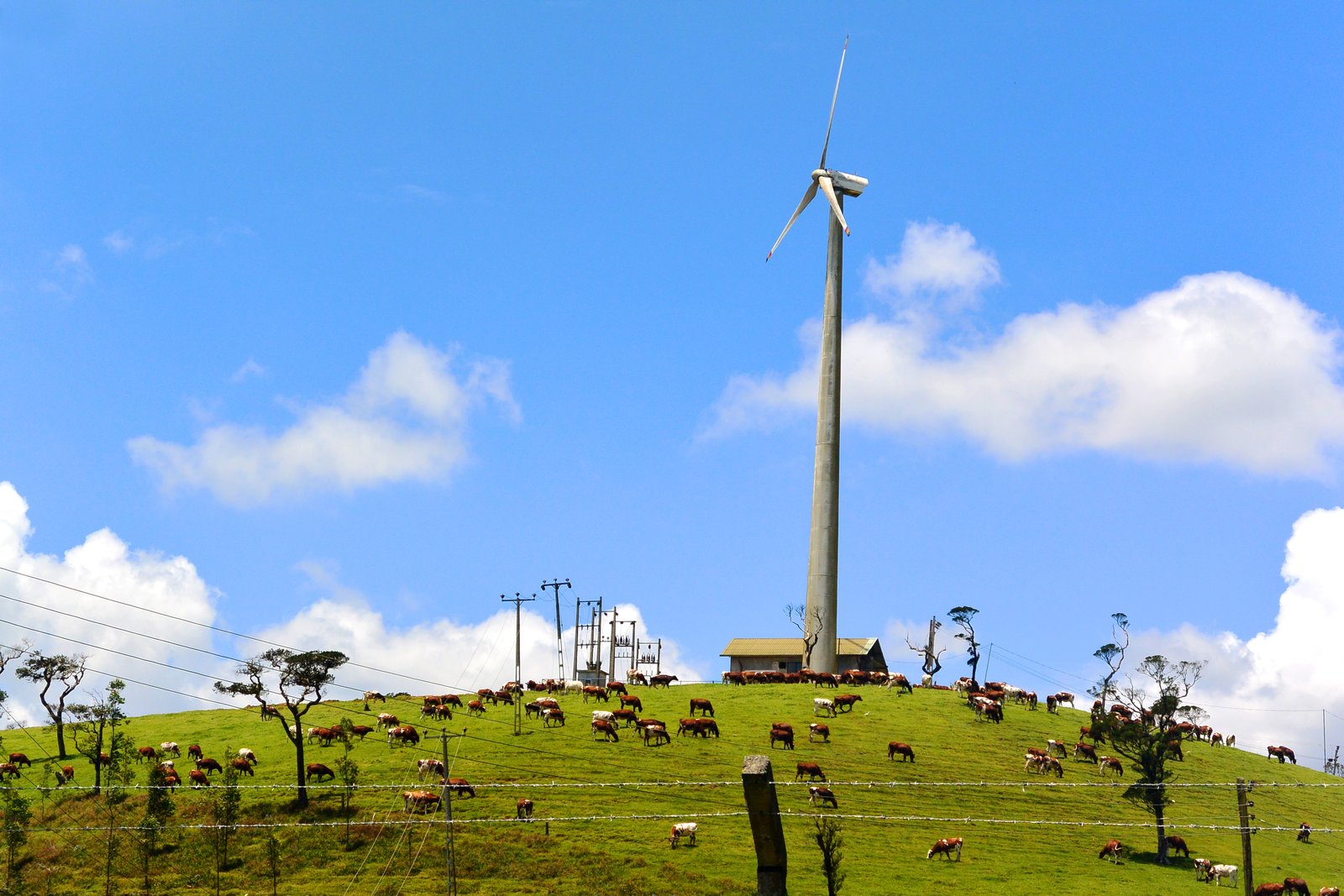




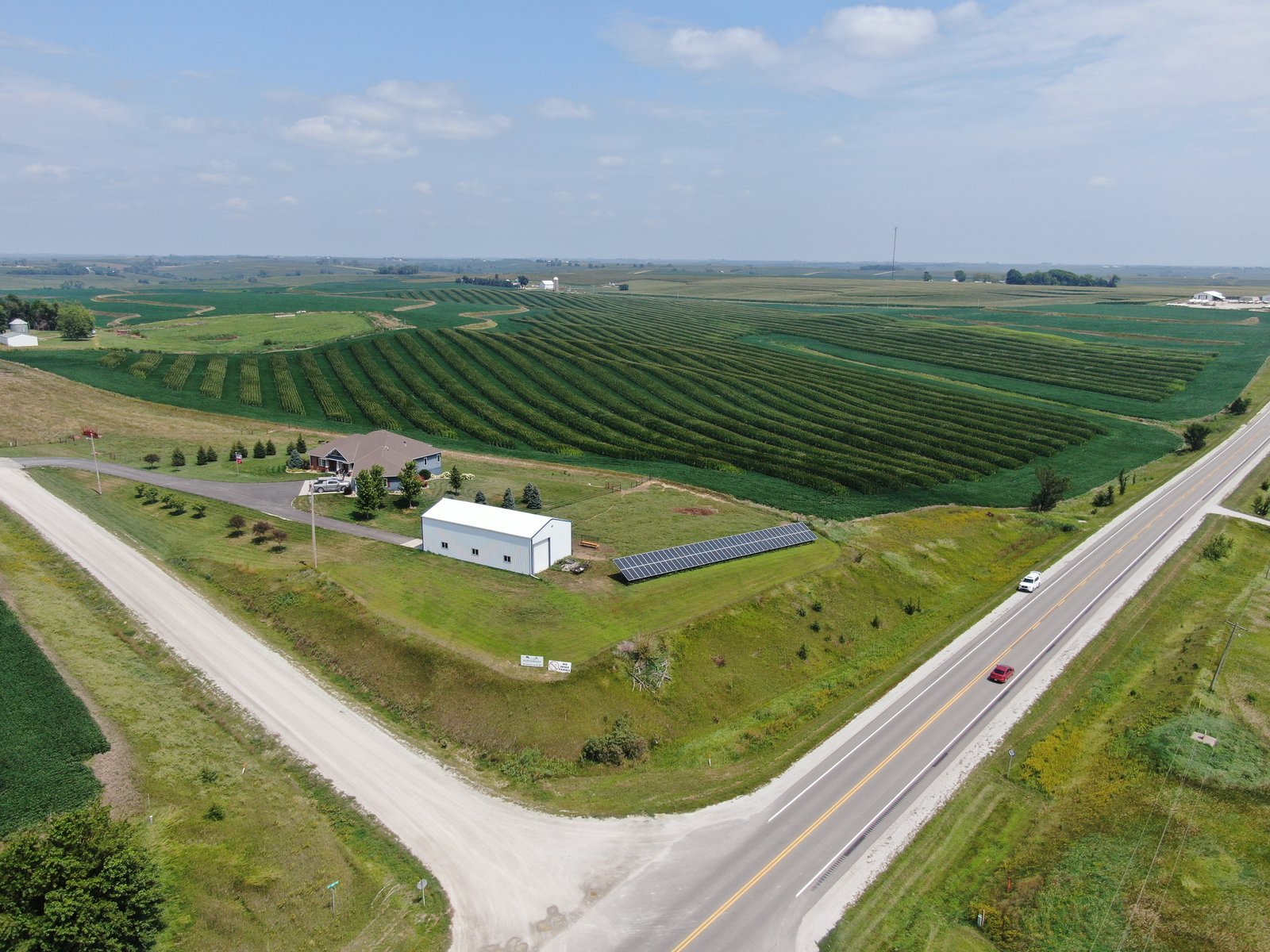
Rooftops in Vinh Tan, once shaded by palm fronds, are now dotted with solar panels; a gleaming testament to an energy shift that reflects a nation's burgeoning aspirations. In this quiet hamlet, the whisper of the sea breeze is now accompanied by a surge of foreign direct investment in green energy.
Green FDI Accelerates with a Focus on Renewables and ESG
Vietnam's Foreign Direct Investment (FDI) in green sectors has seen a significant surge, with a particular emphasis on renewable energy and Environmental, Social, and Governance (ESG) criteria. According to VASEP, the country has been actively seeking to attract green FDI, which is in line with its commitment to reduce carbon emissions and increase the share of renewable energy in its energy mix. This strategic shift towards sustainable investment is expected to bolster Vietnam's position as a leading destination for green investment in Southeast Asia.
The Vietnamese government's push for green FDI is also evident in its policy framework, which includes incentives for renewable energy projects and a strong emphasis on ESG compliance. The Ministry of Finance noted that these policies are designed to not only attract investment but also to ensure that the growth is sustainable and responsible. This approach is crucial as it aligns with global trends where investors are increasingly prioritizing ESG factors in their investment decisions.
The renewable energy sector, in particular, has been a major beneficiary of this green FDI push. Bloomberg reported that Vietnam has seen a significant increase in solar and wind power projects, with many international companies looking to capitalize on the country's abundant natural resources and supportive regulatory environment. This growth in the renewable energy sector is not only beneficial for Vietnam's energy security but also for its efforts to combat climate change.
Furthermore, the focus on ESG in FDI is set to have a broader impact on Vietnam's economy. By adhering to international ESG standards, Vietnamese companies can improve their corporate governance, enhance their social responsibility, and reduce their environmental footprint. This, in turn, can lead to increased investor confidence and potentially open up new avenues for capital inflows, thereby supporting the country's long-term economic growth and development.
Vietnam's Transformation from Low-Cost to Responsible Production
Vietnam has been undergoing a significant transformation in its economic strategy, shifting from a focus on low-cost production to responsible and sustainable production. This shift is evident in the country's efforts to attract green foreign direct investment (FDI), particularly in the renewable energy sector. According to VASEP, Vietnam's renewable energy capacity has seen substantial growth, with solar power installations increasing by over 80% in the past few years. This surge in renewable energy investment not only diversifies Vietnam's energy mix but also positions the country as a responsible production hub, aligning with global trends towards sustainability.
The Vietnamese government has been proactive in creating an enabling environment for green FDI. The Ministry of Finance noted the introduction of tax incentives and simplified administrative procedures for green projects, which has made Vietnam an attractive destination for environmentally conscious investors. These policy measures are designed to lower the barriers to entry for green investments, thereby fostering a competitive edge in sustainable production and attracting companies that prioritize environmental, social, and governance (ESG) criteria in their investment decisions.
Another significant aspect of Vietnam's transformation is the increasing awareness and adoption of ESG principles among local businesses. Bloomberg reported that a growing number of Vietnamese companies are integrating ESG into their core business strategies, recognizing the long-term benefits of sustainable operations. This trend is not only a response to global investor demands but also a reflection of the country's commitment to sustainable development goals. As a result, Vietnam is becoming a more attractive destination for FDI that aligns with ESG criteria, which can lead to more responsible and sustainable economic growth.
The race for sustainable investment by 2026 is also driven by Vietnam's efforts to meet its international climate commitments. As per the Paris Agreement, Vietnam has pledged to reduce its greenhouse gas emissions and increase the share of renewable energy in its energy mix. These commitments have spurred the government to create policies that encourage green investments, thereby facilitating the country's transition to a low-carbon economy. The focus on green FDI is not only beneficial for Vietnam's environmental goals but also positions the country as a leader in sustainable production within the ASEAN region and globally.
Record-High Investment Flows Pave the Way for Sustainable Projects in 2026
The surge in green FDI in Vietnam is not just a trend; it is a testament to the country's commitment to sustainable development. "Greenfield investments in renewable energy projects have seen a significant increase," as per the Ministry of Planning and Investment. This influx of capital is crucial as it directly supports the establishment of new, environmentally friendly projects, which are essential for Vietnam's transition towards a low-carbon economy. The implication is clear: with more greenfield investments, Vietnam is positioning itself as a hub for sustainable energy production, which could attract further investment and technological advancements in the renewable sector.
Another key aspect of the green FDI surge is the focus on ESG (Environmental, Social, Governance) criteria. "Foreign investors are increasingly considering ESG factors when making investment decisions," noted the Ministry of Finance. This shift towards ESG-compliant investments not only reflects a global trend but also aligns with Vietnam's own sustainable development goals. The implication here is that companies investing in Vietnam are likely to adopt more stringent environmental and social standards, which could lead to improved corporate governance and a more responsible business environment in the country.
The Vietnamese government's proactive approach to attracting green FDI is also evident in its policy framework. "The government has been offering tax incentives and other support measures to green projects," as stated by the Ministry of Industry and Trade. These incentives are designed to make green investments more attractive, thereby encouraging both domestic and foreign companies to invest in sustainable projects. The strategic implication is that these measures could accelerate the growth of the green economy in Vietnam, fostering innovation and creating new opportunities for economic diversification.
Lastly, the green FDI surge is expected to have a significant impact on Vietnam's energy mix by 2026. "Renewable energy is projected to account for a larger share of the country's total power generation," according to VASEP. This transition is crucial for Vietnam's energy security and its ability to meet the increasing demand for electricity in a sustainable manner. The broader implication is that Vietnam's energy sector is on track for a significant transformation, which could have far-reaching effects on the country's economic growth, environmental sustainability, and global competitiveness.
FDI Inflows Drive Green Industrial Real Estate and ESG Compliance
The surge in green FDI inflows into Vietnam has brought about significant changes in the industrial real estate sector, with a focus on sustainable and environmentally friendly infrastructure. According to the Ministry of Planning and Investment, "green industrial parks are being developed to attract FDI inflows," which implies a strategic shift towards sustainable development in the country's industrial landscape. This development is crucial as it not only caters to the increasing global demand for green production facilities but also positions Vietnam as a competitive destination for environmentally conscious investors.
The growth in green FDI has also spurred a rise in ESG compliance among businesses operating in Vietnam. As per the Vietnam Business Council for Sustainable Development (VBCSD), "companies are increasingly recognizing the importance of ESG in their operations," which is a direct response to the global trend of sustainable and responsible investing. This shift towards ESG compliance is not only driven by investor demand but also by the Vietnamese government's initiatives to integrate ESG factors into business operations, thereby enhancing the country's attractiveness to foreign investors.
The influx of green FDI has also led to an increase in the demand for green financing, which is essential for the development of sustainable projects. The State Bank of Vietnam has acknowledged the need for "green credit" and is working towards developing a framework to support green projects. This move is indicative of the government's commitment to fostering an environment that encourages sustainable investment and aligns with global financial trends towards green financing.
Lastly, the green FDI surge has implications for the country's economic diversification. As reported by the Ministry of Industry and Trade, "the green economy is a new driving force for economic growth," suggesting that Vietnam is actively seeking to diversify its economy by leveraging green investments. This diversification is expected to reduce the country's reliance on traditional industries and position it as a leader in the region for sustainable economic development.
Adaptation to Global Investment Standards Boosts FDI Attractiveness
Vietnam's commitment to aligning with global investment standards has significantly enhanced its attractiveness to foreign direct investment (FDI), particularly in the green energy sector. The country's proactive stance on environmental, social, and governance (ESG) issues has positioned it as a leader in sustainable investment, which is a key factor for many international investors. Per Bloomberg, Vietnam's FDI inflow has seen a substantial increase, with a significant portion directed towards renewable energy projects, reflecting the country's adaptability to global investment trends.
The Ministry of Finance noted that the government's push for ESG compliance has been a catalyst for attracting green FDI. This has been further supported by the implementation of policies that encourage sustainable business practices, such as the decree on environmental protection standards. The decree not only raises the bar for environmental compliance but also signals to international investors that Vietnam is serious about its commitment to sustainable development, which in turn boosts investor confidence.
The shift towards renewable energy has been accompanied by a surge in greenfield investments, which are new projects initiated by foreign investors. This trend is indicative of the confidence that global investors have in Vietnam's ability to provide a conducive environment for sustainable business growth. The increase in greenfield investments also suggests that Vietnam is successfully positioning itself as a hub for green technology and innovation, which is likely to attract further FDI in the coming years.
Lastly, the integration of ESG principles into Vietnam's investment framework has not only made the country more attractive to foreign investors but has also opened up new avenues for collaboration and knowledge transfer. International companies investing in Vietnam's renewable energy sector bring with them advanced technology and expertise, which can be leveraged to enhance the country's capabilities in sustainable energy production. This mutual exchange of knowledge and technology is a significant implication of Vietnam's adaptation to global investment standards, as it fosters a cycle of innovation and growth within the country's renewable energy sector.
The surge in greenfield investments in Vietnam's renewable energy sector, particularly in solar and wind power, signals a significant shift in the country's investment landscape. This trend is expected to continue, with 4.5 gigawatts of solar power and 6.2 gigawatts of wind power capacity additions anticipated by 2026. The integration of ESG principles into Vietnam's investment framework has not only made the country more attractive to foreign investors but has also opened up new avenues for collaboration and knowledge transfer. This mutual exchange of knowledge and technology is a significant implication of Vietnam's adaptation to global investment standards, fostering a cycle of innovation and growth within the country's renewable energy sector.
As Vietnam continues to position itself as a hub for green technology and innovation, the implications for sustainable investment are profound. The country's ability to attract and integrate greenfield investments in renewable energy is likely to accelerate the transition towards a more sustainable and low-carbon economy. This shift presents a unique opportunity for investors to capitalize on the growing renewable energy market in Vietnam, while also contributing to the global effort to combat climate change. The potential for knowledge transfer and technology enhancement further amplifies the investment appeal, as it not only promises financial returns but also the possibility of participating in the advancement of sustainable energy solutions.