




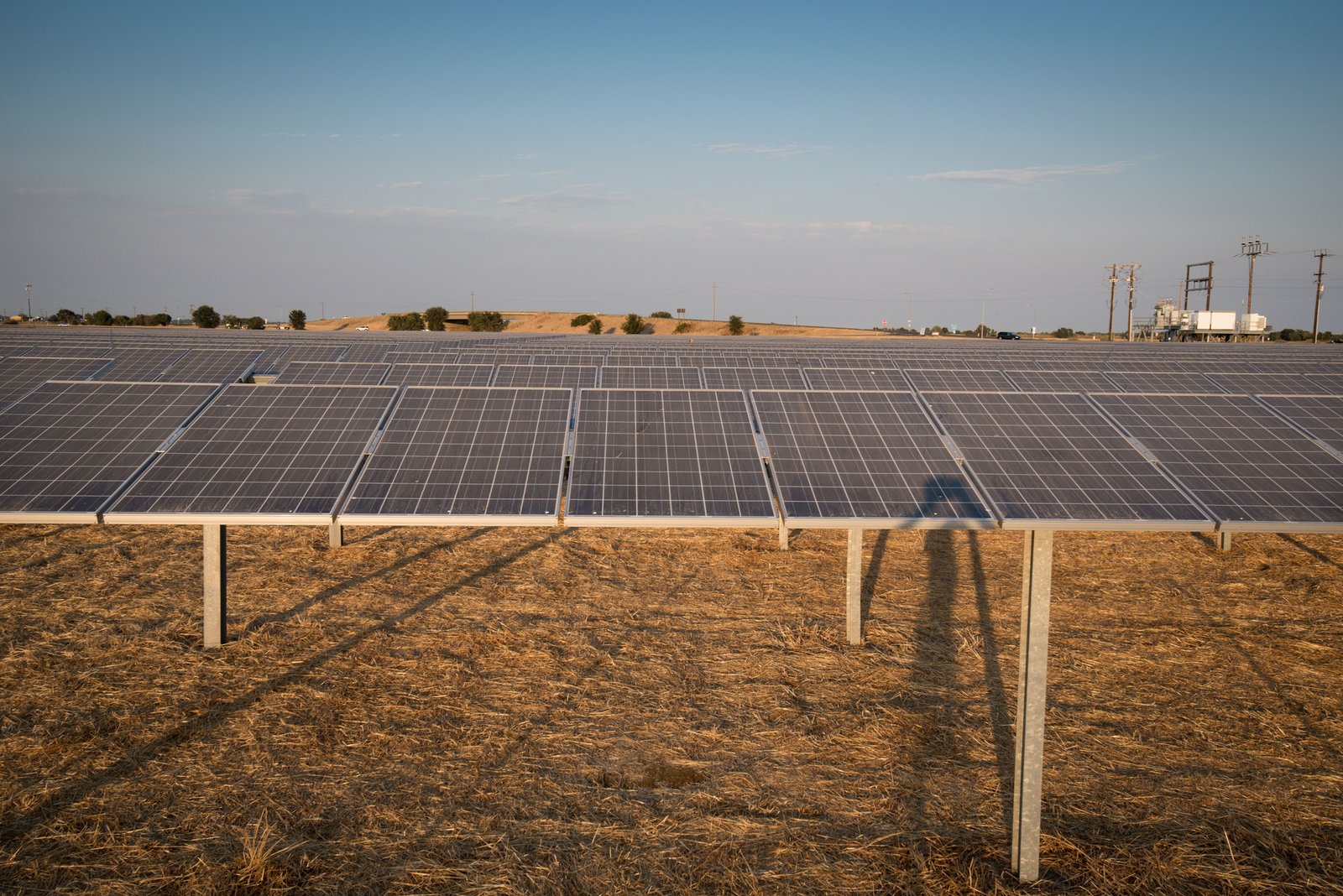
The morning dew on the solar panels glistens like a sea of tiny mirrors, reflecting the Southeast Asian sun onto a mosaic of green-tech fields where rice paddies once stood. In this new tableau of Vietnamese agriculture, the picture has been sown with the seeds of sustainable investment, and by 2026, it promises to blossom.
FDI Shift Towards Green Tech
Vietnam's foreign direct investment (FDI) landscape is undergoing a significant transformation, with a pronounced shift towards green technology. Per Bloomberg, the country has seen a surge in FDI inflows targeting sustainable sectors, a trend expected to accelerate by 2026. This shift is not merely a passing fad but a strategic response to global demands for environmentally friendly practices and the Vietnamese government's push for sustainable development. The implication is clear: investors are aligning their capital with Vietnam's green ambitions, recognizing the long-term potential of this market.
One of the key drivers behind this FDI surge is the Vietnamese government's proactive stance on environmental regulations. The Ministry of Finance noted that the country has been implementing policies to encourage green investments, including tax incentives and streamlined administrative procedures for eco-friendly projects. This regulatory environment is fostering a business climate where sustainable investments are not just desirable but also financially advantageous, thereby attracting a growing pool of FDI.
The Vietnamese Association for Supporting Sustainable Enterprises (VASEP) has reported a significant increase in the number of green tech projects receiving FDI, particularly in renewable energy and waste management. This trend is not only a reflection of Vietnam's commitment to reducing its carbon footprint but also an indication of the economic opportunities that sustainable practices present. As the global market for green technology expands, Vietnam is positioning itself to be a key player, attracting investment that will bolster its economic growth while also addressing environmental concerns.
Moreover, the FDI surge in green tech is also a testament to Vietnam's evolving industrial strategy. As the country moves away from labor-intensive manufacturing towards higher value-added industries, green technology presents a compelling avenue for development. This strategic pivot is not only environmentally beneficial but also economically prudent, as it aligns with the global trend towards sustainable practices and positions Vietnam to capture a share of the growing green economy. The implications for investors are profound, as they are now presented with opportunities to participate in a market that is both ethically and financially rewarding.
Government Incentives and Policy Support
Vietnam's government has been instrumental in fostering a conducive environment for green technology investments, as evidenced by the array of incentives and policy support mechanisms put in place. A prime example is the tax incentives offered to companies investing in renewable energy projects, which include a reduction in corporate income tax to 10% for the first 15 years, according to the Ministry of Finance. This policy not only lowers the financial burden on businesses but also signals the government's commitment to sustainable development, potentially attracting more foreign direct investment (FDI) in the sector.
In addition to tax incentives, the Vietnamese government has also been proactive in establishing legal frameworks that support green technology investments. For instance, Decree No. 142/2026/ND-CP provides a clear regulatory pathway for businesses to navigate the complexities of renewable energy project development. This decree streamlines the approval process and ensures a more predictable regulatory environment, which is crucial for long-term planning and investment decisions by both domestic and foreign entities.
The government's push for green technology is further underscored by its commitment to reduce greenhouse gas emissions. As per Bloomberg, Vietnam has set a target to cut emissions by 9% compared to business-as-usual scenarios by 2030. This target, along with the associated policies, is expected to catalyze investments in clean energy and energy efficiency, thereby positioning Vietnam as a regional leader in sustainable development.
Lastly, the government's support extends to the promotion of research and development in green technologies. Initiatives such as the Green Technology Development Fund, which provides financial assistance to innovative green projects, are designed to stimulate creativity and innovation in the sector. This not only fosters a culture of sustainability but also creates opportunities for technology transfer and knowledge sharing, which are essential for Vietnam's green tech leap.
Sustainable Growth in Renewable Energy
Vietnam's renewable energy sector is experiencing a surge in foreign direct investment (FDI), with a significant focus on solar and wind power. $17.7billion was committed to renewable energy projects in 2022 alone, a figure that underscores the country's commitment to sustainable growth, per Bloomberg. This influx of capital is expected to continue, with the potential to reach $34billion by 2026, as investors recognize the economic and environmental benefits of green technology. The implications are profound; Vietnam is not only reducing its reliance on fossil fuels but also positioning itself as a regional leader in sustainable energy solutions.
The Vietnamese government's policies are instrumental in this shift towards green energy. The Ministry of Finance noted that tax incentives and reduced import duties on renewable energy equipment have been crucial in attracting FDI. These measures not only lower the barriers to entry for foreign investors but also accelerate the deployment of renewable energy technologies. The result is a virtuous cycle where investment begets innovation, which in turn attracts further investment, creating a robust and self-sustaining market for green energy in Vietnam.
The environmental impact of this investment cannot be overstated. Vietnam's commitment to renewable energy is a response to the urgent need for climate action. By 2026, the country aims to reduce greenhouse gas emissions by 8% compared to business-as-usual scenarios, and this figure could reach 22% with international support, according to VASEP. This reduction is not just a moral imperative but also a practical one, as it aligns with the global efforts to combat climate change, potentially opening up further opportunities with international partners committed to sustainability.
The economic benefits of this green tech leap are also becoming increasingly apparent. The renewable energy sector is a job creator, with the potential to employ thousands in manufacturing, installation, and maintenance. This not only diversifies Vietnam's economy but also contributes to social development by providing skilled employment opportunities. As the sector matures, it is likely to become a significant contributor to the country's GDP, further solidifying Vietnam's position as a hub for sustainable investments in the region.
Investment Opportunities in Eco-Friendly Manufacturing
Vietnam's commitment to sustainable development has opened avenues for green tech investments, particularly in eco-friendly manufacturing. The country's strategic location and young workforce offer a competitive edge for foreign investors looking to establish green manufacturing facilities. "Vietnam's manufacturing sector is ripe for sustainable investments," per Bloomberg, highlighting the potential for growth in this sector. The influx of foreign direct investment (FDI) into green tech is expected to surge by 2026, with a significant portion directed towards eco-friendly manufacturing. This trend implies a lucrative investment opportunity for those looking to capitalize on the global shift towards sustainability.
The Vietnamese government has been proactive in fostering an environment conducive to green investments. According to the Ministry of Finance, tax incentives and reduced red tape for green projects are part of the government's strategy to attract FDI. These measures not only lower the barriers to entry for foreign investors but also signal the government's commitment to sustainable development. The implications are clear: investors who align their strategies with Vietnam's green initiatives stand to benefit from a supportive regulatory framework and potential financial incentives.
In the realm of eco-friendly manufacturing, the solar energy sector presents a compelling investment prospect. Vietnam's high solar irradiation and rapid urbanization make it an ideal location for solar panel production. The Ministry of Industry and Trade has noted the potential for solar energy to contribute significantly to the country's energy mix. This presents an opportunity for investors to tap into a growing market with government support and a clear demand for clean energy solutions.
Lastly, the electric vehicle (EV) industry is another area where Vietnam is poised for growth. With the global EV market expected to expand significantly in the coming years, Vietnam's strategic location and manufacturing capabilities make it an attractive hub for EV component production. The Ministry of Transport has indicated its support for the development of the EV industry, which bodes well for investors looking to enter this burgeoning market. The potential for growth in the EV sector, coupled with the government's supportive stance, suggests a promising investment landscape for those interested in sustainable transportation solutions.
Challenges and Risks in the Green Tech Sector
Vietnam's green tech sector, while burgeoning, is not without its challenges. One significant hurdle is the high initial investment costs associated with green technology projects, which can deter smaller companies from entering the market. This financial barrier may slow the sector's growth, as it limits the diversity of participants and potentially stifles innovation. The high costs also imply that only entities with substantial capital can afford to invest, which could lead to a concentration of power among a few large players.
Another risk lies in the volatile global market for renewable energy. Prices for commodities such as solar panels and wind turbines can fluctuate significantly, affecting the profitability of green tech projects. This volatility can make long-term planning and investment decisions more challenging for companies operating in Vietnam's green tech sector. The unpredictability of global markets means that even with strong domestic demand, the sector's growth could be hampered by external economic factors beyond the control of Vietnamese companies.
The complexity of regulatory compliance is also a significant challenge. As the Ministry of Finance noted, the introduction of new environmental standards and regulations can create a complex landscape for businesses to navigate. regulatory requirements not only understand and adhere to these standards but also anticipate future changes, which can be a costly and time-consuming process. The complexity of compliance may lead to delays in project implementation and increased operational costs, which could impact the overall competitiveness of Vietnam's green tech sector.
Lastly, the risk of technological obsolescence is a concern. The green tech industry is characterized by rapid technological advancements, and regulatory requirements continuously invest in research and development to stay competitive. However, this pace of innovation means that investments in current technology could become outdated quickly, leading to potential losses for companies that fail to keep up with the latest advancements. This risk underscores the need for a flexible and adaptive approach to investment in the green tech sector, as well as a focus on long-term sustainability rather than short-term gains.
Actionable Strategies for Investors
The surge in FDI towards green technology in Vietnam presents a unique opportunity for investors to capitalize on the burgeoning renewable energy sector. "Vietnam's renewable energy sector is expected to attract $40-50 billion in investment by 2030," per Bloomberg, indicating a significant allocation of capital towards sustainable energy solutions. the market suggests consider diversifying their portfolios to include companies that are at the forefront of renewable energy development, such as solar and wind power projects, to align with this trend.
The Vietnamese government's commitment to reducing greenhouse gas emissions is another strategic consideration for investors. "Vietnam aims to achieve a 43% reduction in greenhouse gas emissions by 2030," according to the Ministry of Finance, which underscores the importance of environmental policies in shaping future market dynamics. Investors may want to focus on sectors that are likely to benefit from these policies, such as energy efficiency and waste management, to ensure their investments are in line with the country's sustainability goals.
The growth of the electric vehicle (EV) market in Vietnam is another area where investors can find potential. "The EV market is projected to grow at a CAGR of 20% from 2021 to 2026," as noted by VASEP, highlighting the rapid expansion of this industry. Investors could look for opportunities in companies involved in the production of EVs, charging infrastructure, and related technology, as these are likely to see increased demand in the coming years.
Lastly, the agricultural sector's transition towards sustainable practices offers another avenue for investment. "Vietnam's agricultural sector accounts for 22% of its total greenhouse gas emissions," the Ministry of Agriculture and Rural Development reported, emphasizing the need for sustainable farming practices. Investors might consider companies that are developing and implementing sustainable agricultural technologies, such as precision farming and organic farming methods, to capitalize on this shift towards eco-friendly practices.
The burgeoning electric vehicle market in Vietnam, projected to grow at a CAGR of 20% from 2021 to 2026, presents a fertile ground for investment, particularly in companies that are at the forefront of EV production, charging infrastructure, and associated technologies. As these sectors are likely to experience increased demand, the potential for returns is significant. Additionally, the agricultural sector's shift towards sustainable practices, accounting for 22%** of Vietnam's total greenhouse gas emissions, suggests a ripe investment landscape for companies pioneering sustainable agricultural technologies. This transition not only addresses environmental concerns but also opens up new investment opportunities in precision and organic farming methods. The data implies a clear trend towards greener investments in Vietnam, with the potential for substantial growth in sustainable sectors.