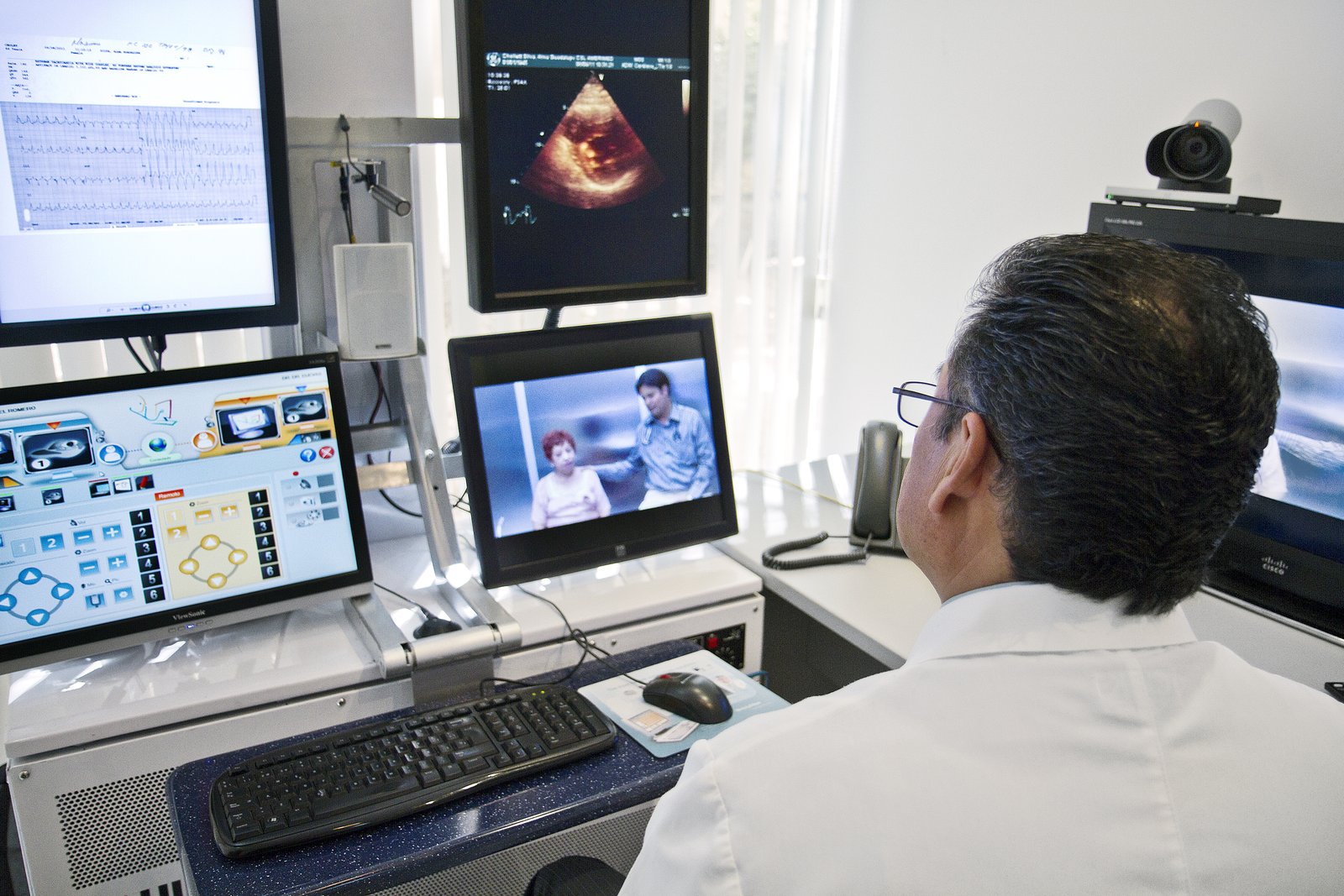




A blood-pressure cuff in a remote village clinic uploads readings to a cloud server, outpacing the patient's walk to the reception desk. This quiet technological advance, while impressive, belies the broader complexities of Vietnam's healthcare innovation boom, obscuring the human and infrastructural challenges that the nation's healthcare system must navigate to sustain its growth path.
Market Overview: The Emerging Medical Device Landscape
The Vietnamese healthcare sector has been undergoing a transformation, with the medical device landscape emerging as a significant growth area. This evolution is underpinned by the country's commitment to improving healthcare infrastructure, as well as the need to address a growing and aging population. Per Bloomberg, Vietnam's healthcare expenditure is projected to increase, which implies a substantial market for medical devices. The integration of advanced technologies and the rise of local manufacturing capabilities are creating a fertile ground for innovation in medical devices.
One of the key drivers of this growth is the Vietnamese government's strategic focus on developing the healthcare sector. According to the Ministry of Health, there has been a concerted effort to increase the quality and accessibility of healthcare services, which has led to an increased demand for sophisticated medical devices. This demand is further amplified by the country's participation in various free trade agreements, which facilitate the import of high-quality medical devices and the export of locally manufactured products.
The landscape is also being shaped by the influx of foreign direct investment (FDI). VASEP has noted a significant increase in FDI in the healthcare sector, with a particular focus on medical devices. This influx of capital is not only providing the necessary funds for research and development but also introducing international standards and best practices into the Vietnamese market, thereby enhancing the competitiveness of local manufacturers.
Lastly, the regulatory environment is adapting to accommodate the rapid growth of the medical device industry. The Ministry of Health has been instrumental in streamlining regulatory processes to facilitate the entry of new medical devices into the market. This includes the implementation of guidelines that align with international standards, which is crucial for both patient safety and the credibility of Vietnamese-made medical devices in the global market. The harmonization of regulations is expected to boost investor confidence and further stimulate growth in the sector.
Demographic Shifts: Aging Population and Healthcare Needs
The demographic landscape of Vietnam is undergoing a significant transformation, with an aging population becoming a prominent feature. According to the General Statistics Office, the proportion of the elderly population, defined as those aged 60 and above, is projected to increase from 12% in 2019 to approximately 18% by 2030. This shift carries substantial implications for the healthcare sector, as the elderly typically require more medical attention and services than younger demographics. The increased demand for healthcare services is expected to drive growth in the medical device industry, as the need for advanced diagnostic tools, treatment equipment, and assistive technologies rises.
The aging population's impact on healthcare needs is further compounded by the rising prevalence of non-communicable diseases (NCDs). Per the Ministry of Health, the incidence of NCDs is expected to increase by 15% by 2025, highlighting the growing importance of early detection and treatment. Medical devices play a crucial role in managing these conditions, from monitoring equipment for diabetes to advanced imaging technologies for cancer detection. This trend suggests a growing market for medical devices that can assist in the prevention, diagnosis, and management of NCDs.
The healthcare infrastructure in Vietnam is also evolving to accommodate the changing demographic needs. As noted by the Ministry of Planning and Investment, there has been a strategic emphasis on upgrading healthcare facilities and investing in modern medical equipment. This development is not only essential for improving the quality of care but also for creating a conducive environment for medical device innovation and deployment. The infrastructure upgrades are expected to create a more robust platform for medical device companies to introduce new products and services, thereby fostering industry growth.
Lastly, the aging population and the associated increase in healthcare needs are also influencing the country's economic landscape. The Ministry of Finance highlighted that healthcare expenditure is projected to grow at a compound annual growth rate (CAGR) of 10% between 2021 and 2026. This growth in spending is indicative of the potential for medical device companies to capture a larger market share, as the demand for their products and services is likely to increase in tandem with the overall healthcare expenditure. The financial commitment to healthcare by the government and private sector is a clear signal of the growing importance of the medical device industry in Vietnam's economy.
Investment Incentives: Government Policies and Support
The Vietnamese government has been instrumental in fostering an environment conducive to the growth of the medical device industry through a series of strategic policies and incentives. One such policy is the Corporate Income Tax (CIT) exemption for high-tech medical device manufacturers, which is extended for 15 years following their first profitable year, as noted by the Ministry of Finance. This measure significantly reduces the financial burden on companies, allowing them to reinvest profits into research and development, thereby enhancing their innovation capabilities and global competitiveness.
In addition to tax incentives, the government has also prioritized the development of human capital in the healthcare sector. The Ministry of Health has implemented programs aimed at improving the skills and knowledge of healthcare professionals, which in turn supports the adoption and effective use of advanced medical devices. This focus on human resource development is crucial for the industry's growth, as it ensures a workforce capable of operating and maintaining sophisticated equipment, thus facilitating the integration of new technologies into clinical practice.
The government's commitment to improving healthcare infrastructure has also been a key factor in attracting investment. Investments in modern hospitals and clinics not only provide a platform for the deployment of new medical devices but also serve as a testament to the government's long-term vision for the sector. This infrastructure development, coupled with the government's support for public-private partnerships, creates a synergistic environment that encourages both domestic and foreign investment in the medical device sector.
Lastly, the government's proactive approach to regulatory reforms has been pivotal in streamlining the process for medical device approvals and registrations. The Ministry of Health has been working on simplifying administrative procedures, whichs the time to market for new devices. This efficiency is particularly attractive to international companies looking to enter the Vietnamese market, as it reduces the bureaucratic hurdles and associated costs. The ease of doing business, as per the World Bank's Ease of Doing Business Index, has seen improvements, which is a reflection of these regulatory reforms and their positive impact on the medical device industry.
Manufacturing Potential: Domestic Production and Export Opportunities
Vietnam's healthcare innovation boom has positioned the country as a potential manufacturing hub for medical devices. The domestic production capacity has been bolstered by the government's strategic initiatives to enhance the medical device industry, as evidenced by the Ministry of Health's efforts to improve the quality and safety of medical devices. This has led to an increase in the number of medical device manufacturers in the country, with a significant portion of these products being geared towards export markets. The potential for domestic production and export opportunities is further highlighted by the country's participation in free trade agreements, which facilitate easier access to global markets.
The growth in medical device manufacturing has been accompanied by a surge in export volumes. According to VASEP, Vietnam's medical device exports have seen a steady increase, with a significant portion being high-tech devices. This trend is expected to continue, as the country's manufacturing capabilities are further developed and refined. The export opportunities are not limited to traditional markets but are expanding to include more developed economies, which are seeking cost-effective yet high-quality medical devices. This shift is indicative of Vietnam's growing reputation as a reliable supplier in the global healthcare industry.
The Ministry of Finance noted that the medical device sector has been identified as a key industry for economic development, with tax incentives and other financial support measures being implemented to encourage further growth. These measures are aimed at reducing the financial burden on manufacturers, thereby allowing them to invest in research and development, as well as expand their production capabilities. The implications of these incentives are significant, as they not only boost domestic production but also enhance Vietnam's competitiveness in the global market.
Lastly, the adherence to international standards and regulations has been a critical factor in Vietnam's medical device manufacturing potential. The country's commitment to meeting these standards has opened up new export opportunities, particularly in markets that have strict regulatory requirements. This has been further supported by the government's efforts to harmonize domestic regulations with international norms, as seen in the implementation of Decree No. 142/2026/ND-CP, which sets out the conditions for the production and business of medical devices. This regulatory alignment has been crucial in building trust with international buyers and expanding Vietnam's export footprint in the medical device sector.
Regulatory Environment: Navigating the Path to Market Approval
Vietnam's regulatory framework for medical devices has been undergoing significant changes, with the aim of harmonizing its standards with international norms. This shift is encapsulated in the recently issued Decree No. 142/2026/ND-CP, which sets forth the legal and procedural requirements for the approval and circulation of medical devices within the country. The decree's stipulations are expected to streamline the approval process, thereby facilitating the entry of innovative medical devices into the Vietnamese market. This regulatory evolution implies a more business-friendly environment, potentially attracting foreign investment and fostering domestic innovation in the medical device sector.
The decree also emphasizes stringent quality control measures, which are crucial for patient safety and public health. Compliance with these standards is non-negotiable, and manufacturers are required to demonstrate adherence to these regulations before their products can be approved for market distribution. This regulatory rigor is likely to raise the bar for medical device quality, ensuring that only devices meeting the highest safety and efficacy standards are available to Vietnamese patients. The implications for investors are clear: a focus on quality and compliance will be a critical factor in the success of medical device companies operating within Vietnam.
In addition to the quality control measures, the decree introduces a classification system for medical devices, which categorizes them based on the level of risk they pose. This system is designed to allocate regulatory scrutiny proportionate to the risk, with higher-risk devices facing more rigorous testing and approval processes. This classification system not only enhances the regulatory clarity for manufacturers but also ensures that resources are allocated efficiently within the regulatory framework. Investors and manufacturers are thus encouraged to pay close attention to the classification of their devices, as it will directly impact the regulatory pathway and associated costs.
Lastly, the decree mandates that all medical devices must be registered with the Ministry of Health before they can be marketed in Vietnam. This registration process is a critical step in the path to market approval, and it underscores the importance of a well-structured regulatory strategy for medical device companies. The registration requirement serves as a gatekeeper, ensuring that only devices that meet the specified safety and efficacy criteria are allowed to enter the Vietnamese market. For investors, this requirement highlights the necessity of thorough due diligence and a proactive approach to regulatory compliance when considering investments in the Vietnamese medical device market.
Investment Outlook: Strategic Opportunities and Risks
The Vietnamese healthcare sector's growth trajectory offers a fertile ground for investment, with medical device innovation at the forefront. 70% of the global medical device market is projected to be driven by emerging markets by 2026, per Bloomberg. This implies that Vietnam's strategic positioning within the ASEAN Economic Community, coupled with its burgeoning healthcare sector, presents significant opportunities for investors looking to capitalize on this trend. The potential for high returns is substantial, given the sector's rapid expansion and the increasing demand for advanced medical devices in the region.
Investment in Vietnam's healthcare sector is not without its challenges. The Ministry of Health has implemented Decree No. 142/2026/ND-CP, which sets stringent quality and safety standards for medical devices. This regulatory environment necessitates that investors and manufacturers alike must adhere to these standards, potentially increasing operational costs and the time required for market entry. However, the long-term benefits of compliance are clear, as it ensures the safety and efficacy of medical devices, which in turn can bolster consumer trust and market share.
The Vietnamese government's commitment to improving healthcare infrastructure, as evidenced by the allocation of 1.5% of GDP to healthcare, according to the Ministry of Finance, creates a supportive ecosystem for medical device innovation. This investment is expected to enhance the distribution and accessibility of medical devices, thereby opening up new avenues for investment and growth. The infrastructure development not only facilitates the expansion of existing businesses but also attracts new entrants, fostering a competitive and dynamic market.
Lastly, the ongoing digital transformation within the healthcare sector presents both opportunities and risks for investors. The integration of artificial intelligence and data analytics in medical devices can lead to more and efficient healthcare solutions. However, this also raises concerns regarding data privacy and cybersecurity, as highlighted by the Law on Personal Data Protection. regulatory requirements consider these factors when evaluating potential investments, as they can significantly impact a company's reputation and regulatory compliance. The ability to navigate these challenges will be crucial for investors to harness the full potential of Vietnam's healthcare innovation boom.
The burgeoning healthcare innovation sector in Vietnam, bolstered by infrastructure development and digital transformation, presents a landscape ripe with investment opportunities. The integration of artificial intelligence and data analytics in medical devices could lead to more efficient healthcare solutions, yet it also introduces complexities in data privacy and cybersecurity. Investors are thus faced with the dual challenge of capitalizing on technological advancements while ensuring compliance with stringent regulatory requirements, such as the Law on Personal Data Protection.
As Vietnam's healthcare market expands, the implications for investors are manifold. The growth in medical device distribution and accessibility suggests a market poised for significant investment, with the potential for high returns. However, the interplay between technological innovation and regulatory compliance will be a critical factor in determining the success of these investments. regulatory requirements carefully consider how companies within this space are navigating these challenges, as their ability to do so will likely have a profound impact on their long-term viability and profitability. The landscape suggests that those who can adeptly balance innovation with regulation will be well-positioned to capitalize on Vietnam's healthcare innovation boom.