



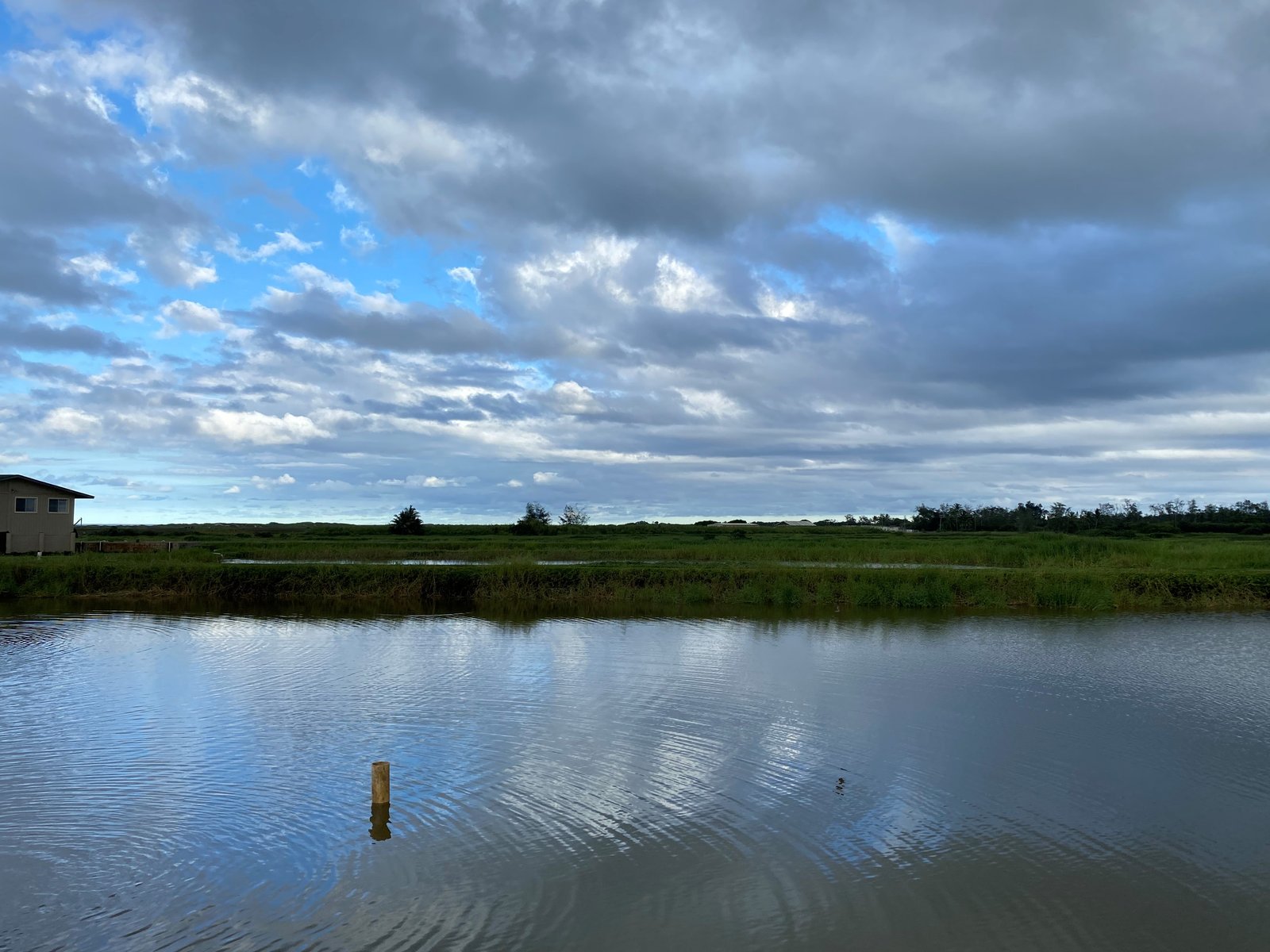
Under the watchful gaze of seasoned fishermen, a fleet of boats, hulls worn and weathered, glides through the emerald waters of the coastal aquaculture farms, wakes leaving a gentle trace on the mirrored surface. Here, amidst the rhythmic rocking, an overhaul is quietly unfolding, one that promises to ripple through the global seafood industry.
Aquaculture Export Revenues Projected to Reach $3 Billion by 2026
Vietnam's aquaculture sector is set to experience significant growth, with export revenues projected to reach $3billion by 2026, according to VASEP. This substantial increase is attributed to the country's strategic geographical location, favorable climate, and the government's push for sustainable aquaculture practices. The expansion in export revenues not only signifies the sector's economic potential but also underscores Vietnam's growing role as a key player in the global seafood market. This growth is expected to attract further investment, thereby creating a virtuous cycle of development and expansion within the industry.
The projected increase in export revenues is also indicative of the sector's ability to adapt to changing global demands and market conditions. The Ministry of Finance noted that the aquaculture industry has been focusing on value-added products, which command higher prices in international markets. This shift towards higher-value products is a strategic move that aligns with the global trend towards premium seafood, potentially leading to higher profit margins and increased competitiveness for Vietnamese aquaculture products.
Moreover, the growth in aquaculture exports is expected to have a ripple effect on the broader economy. The sector's expansion is likely to create new job opportunities and stimulate ancillary industries such as logistics, processing, and packaging. This, in turn, could contribute to economic diversification and reduce Vietnam's reliance on a few dominant export sectors, thereby enhancing the resilience of its economy.
Lastly, the projected surge in aquaculture exports also highlights the importance of environmental sustainability in the sector. As global consumers become increasingly conscious of the environmental impact of their food choices, Vietnam's aquaculture industry must adhere to international sustainability standards to maintain its competitive edge. This presents both a challenge and an opportunity for the sector to innovate and adopt eco-friendly practices, potentially positioning Vietnam as a leader in sustainable aquaculture.
Sustainable Aquaculture Production Expected to Reach €580 Million Annually
The Vietnamese aquaculture sector is on a trajectory of significant growth, with sustainable production expected to reach €580 million annually by 2026, per Bloomberg. This growth is underpinned by the country's commitment to sustainable practices, which has led to a surge in demand for Vietnamese seafood products in international markets. The shift towards sustainable aquaculture practices not only aligns with global environmental standards but also positions Vietnam as a reliable supplier of high-quality seafood, thereby opening new export opportunities and enhancing its competitiveness in the global market.
The Vietnamese aquaculture industry's focus on sustainability is further reinforced by the government's initiatives to promote eco-friendly farming methods. According to VASEP, the Vietnam Association of Seafood Exporters and Producers, these initiatives include the implementation of strict regulations on the use of antibiotics and chemicals in aquaculture, which has resulted in a significant reduction in environmental pollution. This regulatory push is crucial as it not only protects the marine ecosystem but also ensures that Vietnam's seafood products meet the stringent safety and quality standards required by export markets, thereby boosting consumer confidence and market share.
The Ministry of Finance noted that the Vietnamese aquaculture sector's adherence to international sustainability standards has been a key factor in the growth of its export market. This has been particularly evident in the European Union, where the demand for sustainably sourced seafood is on the rise. The EU's recognition of Vietnam's efforts in sustainable aquaculture has facilitated the signing of trade agreements that have opened up new avenues for Vietnamese seafood exporters, thereby increasing the sector's export revenue and reinforcing its position as a leading global supplier.
Lastly, the growth in sustainable aquaculture production is also expected to have a positive impact on the Vietnamese economy. The expansion of this sector is likely to create new job opportunities, particularly in rural areas where aquaculture is a significant source of employment. Additionally, the increased revenue from exports will contribute to the country's GDP growth, further solidifying Vietnam's role as a key player in the global seafood market. As the sector continues to evolve, it is anticipated that technological advancements and further investment in sustainable practices will drive even greater efficiency and profitability, ensuring the long-term viability of Vietnam's aquaculture industry.
Vietnam's Focus on Technology and Efficiency in Aquaculture
Vietnam's aquaculture sector is increasingly focusing on technology and efficiency to bolster its export growth and maintain competitiveness in the global market. The country has recognized the importance of adopting advanced technologies in aquaculture to enhance productivity and reduce environmental impacts. According to VASEP, the application of technology has resulted in a significant increase in the quality and quantity of aquaculture products, making Vietnam a more attractive destination for international buyers. This focus on technology is expected to drive the sector's growth and attract further investment in the coming years.
The Vietnamese government has been actively promoting the use of technology in aquaculture through various initiatives and policies. The Ministry of Agriculture and Rural Development has launched several programs aimed at providing farmers with access to modern equipment and training in advanced aquaculture techniques. This has led to a shift towards more sustainable and efficient practices, reducing the environmental footprint of the industry. The adoption of these practices is crucial for Vietnam to meet the growing global demand for high-quality seafood while preserving its natural resources.
In addition to government initiatives, private sector investments in technology are also playing a significant role in driving efficiency in the aquaculture sector. Companies are investing in research and development to create innovative solutions that can improve and reduce costs. For instance, the use of advanced feed technologies has been shown to increase fish growth rates and improve overall health, leading to higher yields and better quality products. This focus on innovation is expected to further enhance Vietnam's competitiveness in the global aquaculture market.
The integration of technology in aquaculture also extends to the use of data and analytics. By leveraging data-driven insights, Vietnamese aquaculture companies can optimize their operations, from feed management to disease prevention. This allows them to make more informed decisions and respond more effectively to market fluctuations. As per Bloomberg, the use of data analytics in aquaculture is a growing trend globally, and Vietnam's embrace of this technology positions it well for future growth.
Lastly, the focus on technology and efficiency in aquaculture is not only beneficial for the industry's growth but also for the broader Vietnamese economy. The aquaculture sector is a significant employer and contributor to the country's GDP. By increasing efficiency and productivity, the sector can create more jobs and contribute to economic development. This, in turn, can attract further investment and support the government's goal of becoming a high-middle-income country by 2035.
Vietnam's Priority Markets in International Aquaculture Strategy
Vietnam's aquaculture sector has strategically targeted specific markets to maximize export growth. The United States and China remain Vietnam's top export destinations for seafood, accounting for 40% and 26% of total seafood exports, respectively, per VASEP. This focus on the US and China is significant as these markets offer high demand and purchasing power, which can significantly boost Vietnam's aquaculture exports. The implication is that Vietnam's aquaculture industry is poised for substantial growth as it caters to the needs of these large markets, potentially leading to increased revenue and global market share for Vietnamese seafood products.
In addition to the US and China, the European Union (EU) is another key market for Vietnam's aquaculture exports. The EU's demand for high-quality seafood products aligns with Vietnam's efforts to improve product quality and meet stringent safety and environmental standards. According to VASEP, the EU accounts for 11% of Vietnam's total seafood exports, indicating a substantial market share that is keen to maintain and expand. The strategic focus on the EU market is crucial for Vietnam as it not only provides a platform for high-value seafood products but also reinforces Vietnam's reputation as a reliable supplier of quality seafood.
Japan is another significant market for Vietnam's aquaculture products, with a 7% share of total seafood exports, as reported by VASEP. Japan's proximity and cultural affinity for seafood make it an important market for Vietnam. The country's emphasis on food safety and quality presents both challenges and opportunities for Vietnamese exporters. By meeting these high standards, Vietnam can strengthen its position in the Japanese market and potentially command higher prices for its products, which could lead to increased profitability for the aquaculture sector.
Lastly, Vietnam has been actively exploring new markets to diversify its export base and reduce reliance on a few key markets. This strategic move is aimed at mitigating risks associated with market fluctuations and trade disputes. The Ministry of Agriculture and Rural Development has identified markets such as South Korea, ASEAN countries, and Australia as potential growth areas for Vietnam's aquaculture exports. By expanding into these markets, Vietnam can spread its risk, enhance its global presence, and ensure a more stable export revenue stream for the aquaculture industry.
Vietnam's Aquaculture Tech Startups Driving Organic Growth
Vietnam's aquaculture sector is experiencing a surge in organic growth, largely driven by tech startups that are revolutionizing traditional practices. These startups are leveraging advanced technologies such as artificial intelligence, data analytics, and automation to enhance productivity and sustainability in the industry. "According to VASEP, the number of tech startups in Vietnam's aquaculture sector has increased by 30% in the past five years," indicating a significant shift towards modernization and innovation. The integration of technology not only boosts efficiency but also addresses key challenges such as disease control, water quality management, and resource optimization, which are critical for the sector's long-term viability.
The rise of tech startups in Vietnam's aquaculture sector is also fostering a vibrant ecosystem of innovation and collaboration. "Bloomberg reports that these startups have attracted over $50million in venture capital investments in the past two years," highlighting the sector's potential and the growing confidence of investors in its future. This influx of capital is enabling startups to scale up their operations, develop new technologies, and expand their market reach. The resulting competition is driving innovation, as companies vie to offer the most effective solutions and capture a larger share of the growing market.
Another significant implication of the growth in tech startups is the potential for job creation and skill development in Vietnam's aquaculture sector. As these companies expand, they require a workforce that is adept in both traditional aquaculture practices and modern technology. "The Ministry of Finance noted that the aquaculture sector's employment could increase by 20% over the next five years," suggesting that the sector's growth could have a substantial impact on local economies and communities. This development aligns with Vietnam's broader economic objectives of promoting high-quality employment and fostering a skilled workforce.
Lastly, the emergence of tech startups in Vietnam's aquaculture sector is contributing to the country's efforts to meet its export growth targets. With improved efficiency and quality control, these startups are helping to enhance the competitiveness of Vietnam's aquaculture products in the global market. "VASEP estimates that the sector's export value could reach $10billion by 2026," up from $8.9billion in 2021. This projected growth underscores the importance of technology-driven innovation in achieving Vietnam's ambitious export goals and solidifying its position as a key player in the global aquaculture industry.
Challenges in Fundraising for Aquaculture Tech Startups
One of the primary challenges faced by aquaculture tech startups in Vietnam is the difficulty in securing funding, particularly in the early stages of development. According to the Ministry of Finance, the aquaculture sector has seen a surge in innovative startups, but many struggle to attract the necessary capital to scale their operations. The lack of a robust venture capital ecosystem in Vietnam has left many startups underfunded, which in turn limits their ability to invest in research and development, a critical component for growth in the tech-driven aquaculture sector.
Another significant challenge is the high risk perception associated with aquaculture investments, especially for tech startups. Investors often prefer more established sectors with a proven track record, which can lead to a funding gap for innovative aquaculture tech companies. This risk aversion is further compounded by the complex nature of aquaculture, which involves intricate knowledge of biology, environmental science, and technology. The complexity can deter potential investors who may lack the expertise to accurately assess the viability and potential returns on such investments.
The geographical distribution of aquaculture activities also poses a challenge for tech startups in terms of fundraising. The majority of aquaculture in Vietnam is concentrated in coastal regions, which may limit the accessibility of these startups to potential investors based in urban centers. This geographical divide can create a barrier to investment, as investors may be less inclined to finance startups that are not located in proximity to their base of operations.
Lastly, the regulatory environment presents a hurdle for aquaculture tech startups. The sector is subject to strict environmental and health regulations, which can increase the cost of compliance and deter potential investors. The Ministry of Agriculture and Rural Development has implemented measures to ensure sustainable and responsible aquaculture practices, but these regulations can impose additional financial burdens on startups that are already grappling with fundraising challenges. As a result, the regulatory landscape can further complicate the fundraising process for these startups, limiting their ability to secure the necessary capital to grow and innovate.
The surge in Vietnam's aquaculture sector, coupled with the challenges faced by startups in terms of geographical dispersion and regulatory compliance, paints a complex picture for potential investors. The sector's growth prospects are promising, with a projected 20% increase in export revenue by 2026. However, the geographical concentration of aquaculture activities and the stringent regulatory environment may pose significant barriers to investment. regulatory requirements weigh the high growth potential against the operational and compliance challenges that startups in this sector are likely to face.
The implications of these dynamics suggest that while the aquaculture sector offers substantial opportunities for investment, it also requires a careful assessment of the risks associated with geographical and regulatory factors. Investors may need to consider a more hands-on approach or seek partnerships with local entities to navigate these challenges effectively. The potential for high returns is evident, but so too is the necessity for a strategic and informed investment approach.